

Archived article · Original source date: 2024-08-14
This article is preserved from the previous Solana Bulls site as a historical archive. It reflects its original context; references to products, people, market conditions, eligibility, or rules may no longer be current.
As blockchain technology transforms global economies, emerging markets are experiencing a seismic shift.
Solana stands out as a game-changer for these regions, boasting high-performance capabilities and low transaction costs that unlock unprecedented opportunities for growth, innovation, and financial inclusion.
Solana's Emerging Market Footprint: A Growing Presence
The emergence of Solana has been particularly notable in emerging markets, where its influence is growing rapidly due to its faster and more cost-effective alternative to traditional payment systems.
In countries like India and Brazil, where mobile payments are becoming increasingly popular, Solana's low transaction fees and high-speed processing capabilities make it an attractive solution for businesses and individuals alike.
Solana is also revolutionizing financial inclusion in developing countries, particularly for the 1.7 billion adults worldwide who lack formal identification and therefore cannot access basic financial services.
Through its blockchain technology, Solana provides a secure, decentralized, and transparent platform for individuals and businesses to access financial services.
For example, in countries like Indonesia and Nigeria, users can onboard onto the blockchain network using their smartphones, bypassing traditional banking infrastructure.
Solana is further empowering underserved communities by fostering entrepreneurship and innovation.
Its fast, secure, and low-cost transactions are enabling a new generation of entrepreneurs to build innovative applications and services that cater to local needs.
Solana-based applications in countries like Nigeria and Indonesia are bridging the financial inclusion gap for millions of individuals through peer-to-peer lending and microfinance solutions.
Expanding Financial Inclusion with Solana: Access to Banking and Services
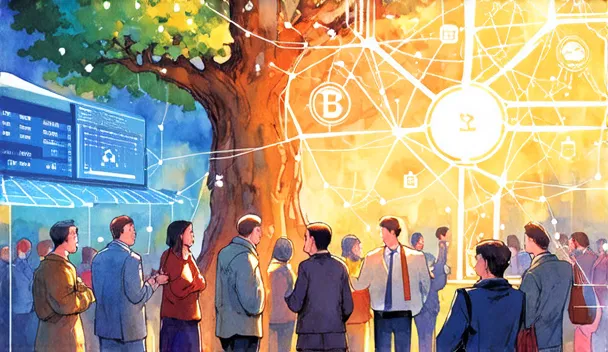
Enhancing Financial Accessibility through Solana Blockchain*
The Solana blockchain can significantly expand financial inclusion in emerging markets by providing a secure, transparent, and efficient platform for accessing banking and financial services.
Traditional banking systems are often inaccessible or unreliable in many developing countries, leaving millions without access to basic financial tools.
Decentralized Finance (DeFi) and Emerging Market Development
Decentralized finance (DeFi) has emerged as a key player in expanding financial inclusion in emerging markets.
DeFi provides an alternative to traditional banking systems through blockchain technology and cryptocurrencies, making financial services accessible to underserved populations.
Solana's blockchain platform takes this concept further by offering a scalable and fast network for DeFi applications.
This enables the creation of innovative financial products and services that cater to emerging markets' unique needs.
For instance, Solana-based apps can facilitate peer-to-peer payments, mobile wallets, and microfinance platforms.
Breaking Down Barriers to Mainstream Banking Services
Solana offers an alternative to traditional banking services through its blockchain technology.
This allows individuals in remote areas to access financial services via mobile phones, bypassing the need for physical bank branches.
Those excluded from traditional credit systems can establish a digital reputation on Solana's blockchain, unlocking new opportunities for borrowing and lending.
Driving Technology Adoption and Innovation in Emerging Markets

Developing Blockchain Infrastructure for Emerging Markets
The rise of Solana has sparked interest in blockchain technology across emerging markets, which often struggle to develop necessary infrastructure.
Solana's high-performance capabilities make it an attractive solution for countries looking to build modern, decentralized systems from scratch.
This technology can be used to create digital identity platforms, enabling governments to provide citizens with secure access to essential services like healthcare and finance.
Empowering Local Startups with Decentralized Finance Solutions
Solana's blockchain technology is democratizing access to financial services in emerging markets.
Local startups can now compete on a level playing field with established players, thanks to decentralized finance (DeFi) solutions.
For example, a small business owner in Nigeria can access loans and credit facilities without traditional banking intermediaries, reducing transaction costs and increasing financial inclusion.
Fostering Innovation through Ecosystem Partnerships
The Solana ecosystem has partnered with various stakeholders, including startups and governments, to develop innovative solutions for emerging markets.
Claims that a Solana organization or application has delivered lending, identity, voting, or financial-inclusion outcomes in a particular community need a current primary source. A blockchain deployment does not by itself establish the identity of participants, local adoption, consumer protection, regulatory compliance, or measurable social impact.
These partnerships drive technology adoption and innovation in emerging markets.
Empowering Entrepreneurship and Small Businesses through Solana Solutions
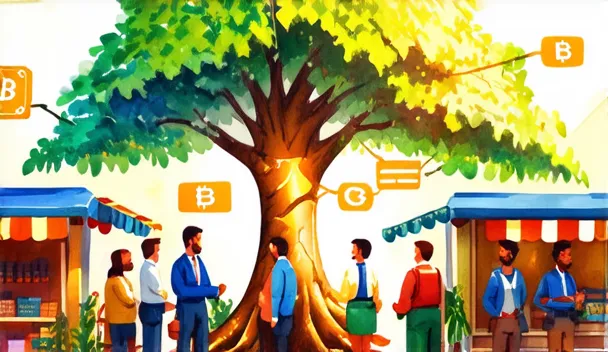
Solana's blockchain solutions are empowering a new generation of entrepreneurs in emerging markets by reducing barriers to entry.
This enables small businesses and startups to compete on a level playing field with larger corporations.
Creating Inclusive Financial Systems with Decentralized Solutions
The Solana blockchain provides an inclusive and decentralized financial system, allowing small businesses and entrepreneurs to participate in the global economy without traditional barriers like high transaction fees and limited access to funding.
This enables them to set up digital storefronts, accept global payments, and break down geographical barriers.
Driving Growth among Small Businesses and Startups
Solana's blockchain solutions empower small businesses and startups in emerging markets to scale operations, increase efficiency, and access new opportunities.
With fast and low-cost transactions, entrepreneurs can focus on growth rather than costly infrastructure.
This democratization of technology is fostering innovation and economic growth among small businesses and startups.
Navigating Regulatory Challenges for Successful Solana Implementation

Regulatory Frameworks and Compliance in Emerging Markets
Implementing Solana in emerging markets requires navigating complex regulatory frameworks, which can be unpredictable and challenging to ensure compliance.
Understanding these nuances is critical, as the classification of cryptocurrencies as assets or securities can significantly impact how Solana-based solutions are treated from a legal standpoint.
To overcome technological challenges, developers must design adaptable solutions that prioritize flexibility and compatibility.
Scalability and interoperability are key concerns, particularly with Solana's proof-of-stake (PoS) consensus algorithm requiring robust network infrastructure to maintain high transaction speeds.
Integrating Solana with existing systems can be complex due to differences in architecture and protocol standards.
Solana-based startups in emerging markets face compliance hurdles, particularly with anti-money laundering (AML) and know-your-customer (KYC) regulations.
To overcome these challenges, they can leverage decentralized identity verification protocols like uPort or Self-Sovereign Identity. These solutions enable users to manage their identities securely and efficiently, streamlining the compliance process while maintaining user privacy.
Mitigating Risks and Limitations of Solana Adoption in Emerging Economies

The adoption of Solana in emerging markets faces regulatory challenges due to its decentralized nature, which can lead to skepticism or hostility from governments.
However, this uncertainty also presents opportunities for innovation and collaboration, as seen in Singapore's forward-thinking approach to blockchain regulation.
Scalability Concerns and Infrastructure Limitations
As Solana grows in emerging markets, it may face scalability concerns and infrastructure limitations.
A high volume of transactions can lead to slower processing times, increased fees, or network congestion.
Additionally, limited internet connectivity in some areas may hinder adoption, making it difficult for users to access the network.
Mitigating Market Volatility and Systemic Risks
To mitigate market volatility and systemic risks, governments and institutions can establish robust regulatory frameworks that promote transparency and accountability.
Implementing sandboxes for testing new technologies and employing hedging strategies can reduce the likelihood of catastrophic failures.
By addressing these risks proactively, emerging markets can create a more stable environment for Solana adoption.
Conclusion
The impact of Solana on emerging markets has been transformative, expanding financial inclusion through access to banking services and driving technology adoption and innovation. Its presence has also empowered entrepreneurship and small businesses by lowering barriers to entry and fostering inclusive financial systems.
While regulatory challenges exist, successfully navigating these hurdles can unlock the full potential of Solana in emerging economies.
As we look to the future, it will be exciting to see how Solana continues to shape finance in these regions, driving growth and development for years to come. Ultimately, Solana's influence may pave the way for more equitable financial systems, providing opportunities for individuals and businesses to thrive in a rapidly changing world.