
Archived article · Original source date: 2024-09-03
This article is preserved from the previous Solana Bulls site as a historical archive. It reflects its original context; references to products, people, market conditions, eligibility, or rules may no longer be current.
As blockchain technology continues to evolve, it's becoming increasingly clear that the collective efforts of developers, users, and enthusiasts play a crucial role in shaping the future of these decentralized systems.
Blockchain Governance: The Pivotal Role of Community Decision-Making
Understanding Blockchain Governance and its Significance
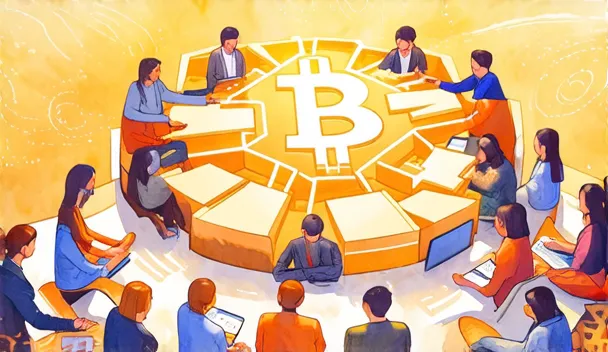
At the heart of every successful blockchain project lies a robust governance system, which plays a pivotal role in decision-making processes that shape the network's trajectory.
Blockchain governance is not just about establishing rules and guidelines; it's about creating a framework that empowers community members to participate actively in shaping the future of the decentralized ecosystem.
This collective approach ensures that no single entity controls the narrative, fostering an environment where diverse perspectives are valued and integrated into the decision-making process.
Community Involvement in Decision-Making Processes on Blockchains
Effective community involvement is crucial in blockchain governance, as it ensures that decision-making processes are fair, transparent, and representative of the network's diverse stakeholders. This can be achieved through various mechanisms such as voting systems, where token holders or community members participate in shaping the future of the project by casting votes on proposals.
For instance, MonkeDAO, a community-driven initiative born out of the Solana Monke Business NFT collection, demonstrates how decentralized governance can empower users and promote collective decision-making.
This approach fosters a more inclusive and resilient ecosystem, where every stakeholder has the opportunity to contribute to the growth and development of the project.
Shaping the Future of Blockchain Projects through Active Communities
The future of blockchain projects is inextricably linked to the vitality and engagement of their communities.
These projects have demonstrated how an active and empowered community can be harnessed to drive innovation, foster inclusivity, and promote sustainability within the blockchain ecosystem.
Community-Driven Innovation: Trends, Insights, and Blockchain Development
The Impact of Community Governance on Blockchain Networks
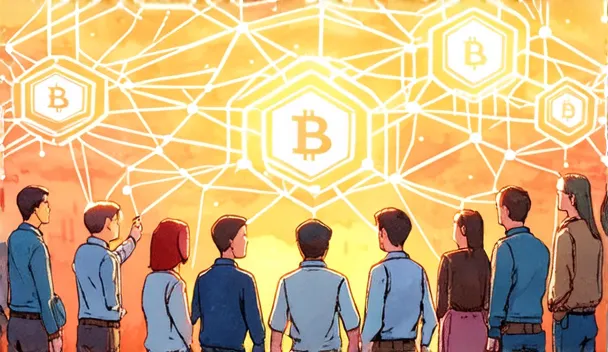
Community governance plays a pivotal role in shaping the trajectory of blockchain networks. By empowering community members to participate actively in decision-making processes, blockchain projects can ensure that their ecosystem remains inclusive, resilient, and responsive to the needs of its users.
This collective approach to governance fosters an environment where diverse perspectives are valued and integrated into the decision-making process, preventing any single entity from controlling the narrative.
Driving Innovation and Development through Community Engagement
Community engagement is a critical component in driving innovation and development within blockchain projects. When communities are empowered to participate actively, they bring diverse perspectives that can lead to groundbreaking solutions.
For instance, initiatives like Bonk have shown how community-driven governance models can foster inclusivity and collective growth. By involving the community in decision-making processes, these projects ensure that their development trajectory aligns with the interests of their stakeholders.
Blockchain Growth: Past, Present, and Future
The blockchain landscape has undergone significant transformations since its inception. From humble beginnings to the current era of widespread adoption, blockchain technology has evolved remarkably.
In the past, blockchain growth was largely driven by the vision of pioneers who foresaw a decentralized future.
As we navigate the present, community-driven projects like Bonk and Solana Monke Business / Monke DAO are spearheading innovation, demonstrating how collective efforts can propel development forward.
Meanwhile, deBridge is pushing the boundaries of interoperability, enabling seamless interactions across different blockchain networks.
As we move forward, it's clear that the future of blockchain will be shaped by collaborative efforts, innovative solutions, and a continued emphasis on community-driven governance.
Fostering Widespread Adoption through Community Engagement
Community Influence on Blockchain Identities and Branding
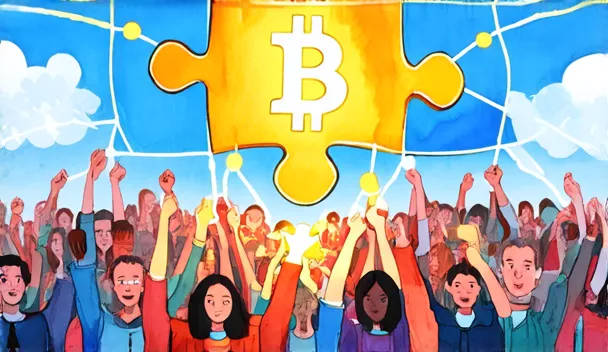
The influence of community extends beyond governance and decision-making processes, playing a pivotal role in shaping blockchain identities and branding. A project's brand is no longer solely defined by its founders or core team; instead, it is increasingly shaped by the collective identity and values of its community.
This phenomenon is evident in projects like Bonk and Okay Bears, where community spirit and cultural significance have become integral to their brand identity.
The widespread adoption and integration of these projects within the Solana ecosystem not only underscore their technological prowess but also demonstrate how a strong community can foster a sense of belonging and shared purpose among its users.
Decision-Making Processes Driven by Community Engagement
Community engagement plays a pivotal role in driving decision-making processes within blockchain projects. By empowering communities to participate actively, these projects can ensure that their development trajectory aligns with the interests of their stakeholders.
The Role of Community in Driving Widespread Adoption
Community involvement plays a vital role in driving widespread adoption on blockchains. By fostering an environment where diverse perspectives are valued and integrated into the decision-making process, blockchain projects can ensure that their ecosystem remains inclusive, resilient, and responsive to the needs of its users.
This collective approach to governance empowers community members to participate actively in shaping the future of decentralized systems.
As seen with pioneering projects like Bonk and Solana Monke Business / Monke DAO, community-driven initiatives can drive innovation, promote sustainability, and strengthen community ties within the blockchain ecosystem.
Building a Thriving Blockchain Community: Challenges and Opportunities
Overcoming Common Challenges Faced by Blockchain Communities
Blockchain communities often face challenges that can hinder their growth and development.
One common issue is maintaining a delicate balance between decentralization and effective governance. Decentralized decision-making processes can sometimes lead to inefficiencies, while overly centralized systems may compromise the very principles of blockchain technology.
To overcome this challenge, projects like Bonk have implemented community-driven governance models, empowering users to participate actively in shaping the future of decentralized systems.
Strategies for Establishing a Strong Community Foundation
To establish a strong community foundation, blockchain projects can adopt several strategies that foster inclusivity, engagement, and collective growth.
One such approach is empowering community members through participatory governance models, as seen in initiatives like Solana Monke Business / Monke DAO, where decision-making processes are driven by the collective efforts of its users.
This not only ensures that the development trajectory aligns with the interests of stakeholders but also promotes a sense of ownership and responsibility among community members.
By doing so, communities can make informed decisions about their participation in the ecosystem, enhancing transparency and accountability within the project.
Moreover, community-driven projects like Bonk have shown that embracing decentralization and user empowerment can lead to widespread adoption and integration within the Solana ecosystem.
By fostering an environment where diverse perspectives are valued and integrated into decision-making processes, these projects ensure that their ecosystem remains inclusive, resilient, and responsive to the needs of its users.
Governance's Role in Shaping the Future of Blockchain Communities
Governance plays a pivotal role in shaping the future of blockchain communities, as it empowers community members to participate actively in decision-making processes.
Effective governance models can drive innovation, promote sustainability, and strengthen community ties within the blockchain ecosystem. For instance, projects like Bonk have demonstrated how community-driven governance can foster inclusivity and collective growth by involving a wide array of stakeholders in the development trajectory.
Conclusion
In this blog post, we explored the pivotal role of community in shaping the future of blockchain technology. We delved into the significance of community decision-making processes in blockchain governance, driving innovation and development through community engagement, and fostering widespread adoption through community influence on identities and branding.
The importance of building a thriving blockchain community was also highlighted, including strategies for establishing a strong foundation and overcoming common challenges.
Key takeaways include the need for active communities to shape the future of blockchain projects, drive growth, and ensure the long-term success of blockchain networks. As we move forward, it's clear that community will play an increasingly vital role in shaping the trajectory of blockchain technology - one that demands collaboration, inclusivity, and a willingness to adapt to the evolving needs of its users.