

Archived article · Original source date: 2024-09-02
This article is preserved from the previous Solana Bulls site as a historical archive. It reflects its original context; references to products, people, market conditions, eligibility, or rules may no longer be current.
As the ecosystem continues to grow, innovators are turning to grant programs as a key driver of growth, fostering innovation, and shaping the future of blockchain development.
Defining Blockchain Grant Programs: Purpose and Functionality
What are Blockchain Grant Programs
Blockchain grant programs represent a strategic initiative to foster innovation and growth within the blockchain ecosystem.
These programs provide financial support, resources, and expertise to individuals, startups, and projects aiming to develop novel applications, tools, and technologies that advance the blockchain's capabilities.
By doing so, grant programs play a crucial role in shaping the future of blockchain development, promoting decentralization, and encouraging community engagement.
How Grants Support Blockchain Projects and Innovation
Blockchain grant programs serve as a vital catalyst for innovation within the ecosystem, providing necessary funding to support projects that drive growth, adoption, and development.
These grants empower developers, researchers, and entrepreneurs to explore new use cases, improve existing technologies, and create novel solutions that enhance the overall blockchain experience.
By offering financial backing, grant programs enable innovators to focus on their core objectives without being hindered by funding constraints, thereby fostering a culture of experimentation and progress.
The Role of Grant Programs in Fostering Ecosystem Growth
Grant programs play a pivotal role in fostering growth within blockchain ecosystems, serving as catalysts for innovation and community engagement. By providing financial support to promising projects and initiatives, these programs enable the development of new applications, tools, and technologies that expand the ecosystem's capabilities and attract more users.
For instance, projects like Kamino Finance, which is streamlining liquidity management on Solana, demonstrate how grants can facilitate the creation of specialized platforms that address specific needs within the ecosystem. Similarly, initiatives such as Jito, focused on optimizing blockchain efficiency through validator clients and liquid staking tokens, show how grant-backed innovation can enhance the overall performance and security of a blockchain network.
By supporting such projects, grant programs not only encourage diversity and creativity but also contribute to the long-term sustainability and success of the ecosystem.
The Role of Grants in Fostering Innovation within the Blockchain Ecosystem
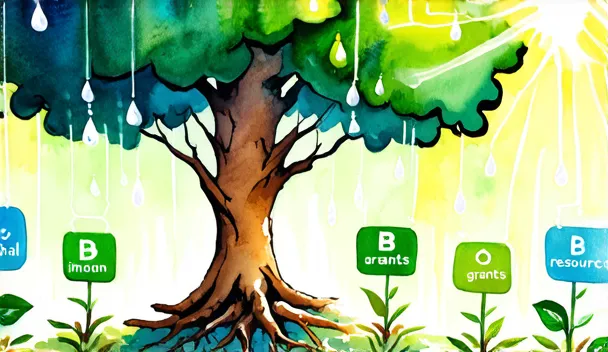
How Grant Programs Support Emerging Blockchain Projects
Grant programs play a pivotal role in nurturing emerging blockchain projects by providing them with the necessary resources, expertise, and financial backing to flourish. This support is crucial for innovative startups and developers who often face significant barriers when attempting to bring their ideas to life within the competitive blockchain ecosystem.
By offering a safety net of funding and mentorship, grant programs empower these pioneers to focus on developing novel applications, tools, and technologies that can significantly enhance the capabilities of blockchains. For instance, projects like Kamino Finance and Jito have leveraged grants to create specialized platforms and tools that address specific needs within their respective ecosystems.
Demonstrating how targeted support can foster groundbreaking innovation and drive growth, these examples highlight the importance of grant programs in shaping the future of blockchain development.
Encouraging Innovation through Collaborative Partnerships and Funding
The collaborative aspect of blockchain grant programs is equally important as their funding component. By fostering partnerships between innovators, developers, and established projects, these grants facilitate the sharing of knowledge, expertise, and resources.
This synergy enables grantees to leverage existing networks and technologies, accelerating the development process and enhancing the quality of their solutions. For instance, Kamino Finance's integration with Solana showcases how collaborative partnerships can lead to specialized platforms that address specific needs within the ecosystem, driving growth through targeted innovation.
Similarly, Jito's focus on optimizing blockchain efficiency through validator clients and liquid staking tokens demonstrates how grants can facilitate community-driven initiatives that promote decentralization and security. By encouraging such collaborations, grant programs play a pivotal role in shaping the future of blockchain development and fostering a culture of open innovation.
The Impact of Grants on Blockchain Ecosystem Growth and Development
Grants play a pivotal role in fostering growth within blockchain ecosystems, serving as catalysts for innovation and community engagement.
For instance, projects like Kamino Finance, which is streamlining liquidity management on Solana, demonstrate how grants can facilitate the creation of specialized platforms that address specific needs within the ecosystem. Similarly, initiatives such as Jito, focused on optimizing blockchain efficiency through validator clients and liquid staking tokens, show how grant-backed innovation can enhance the overall performance and security of a blockchain network.
Benefits to Project Development: How Grants Support Emerging Technologies

Funding Emerging Projects Through Grants
Blockchain grant programs serve as a vital lifeline for emerging projects, offering them the necessary financial support to navigate the challenging landscape of innovation.
By providing funding, these grants enable developers and startups to focus on their core objectives without being hindered by financial constraints.
This targeted support allows grantees to explore new use cases, improve existing technologies, and create novel solutions that enhance the overall blockchain experience.
Grants as a Catalyst for Innovation in Blockchain Development
Blockchain grant programs serve as a vital catalyst for innovation within the ecosystem, empowering developers to explore novel applications and technologies that advance the blockchain's capabilities.
By providing necessary funding and resources, grants enable innovators to focus on their core objectives without being hindered by financial constraints.
This support not only fosters a culture of experimentation but also accelerates growth and adoption within the blockchain space.
Supporting Ecosystem Growth through Strategic Grant Allocation
Strategic grant allocation is a critical aspect of fostering ecosystem growth within blockchain networks.
By providing financial support to promising projects and initiatives, grants enable the development of new applications, tools, and technologies that expand the ecosystem's capabilities and attract more users. This targeted approach allows for the creation of specialized platforms and solutions that address specific needs within the ecosystem, driving growth through innovation.
For instance, Kamino Finance has leveraged grants to create a platform streamlining liquidity management on Solana, while Jito has developed a highly efficient validator client and liquid staking token to optimize blockchain efficiency.
Such strategic grant allocations not only encourage diversity and creativity but also contribute to the long-term sustainability and success of the ecosystem.
Developer Incentives and Engagement Strategies through Grant Programs

Attracting Top Talent with Competitive Grant Offers
Blockchain grant programs play a crucial role in attracting top talent from across the globe by offering competitive incentives that support innovation and growth.
These grants not only provide financial backing but also offer a platform for developers, researchers, and entrepreneurs to showcase their ideas and collaborate with like-minded individuals.
By fostering an environment of open innovation, blockchain grant programs encourage competition among projects, driving them to push boundaries and explore new use cases.
Fostering a Culture of Innovation through Developer Incentives
Blockchain grant programs play a crucial role in fostering a culture of innovation within the ecosystem by providing developer incentives that encourage creativity and growth.
By offering financial support, resources, and expertise to individuals, startups, and projects, these grants empower developers to focus on their core objectives without being hindered by funding constraints.
This targeted approach allows for the development of novel applications, tools, and technologies that enhance the overall blockchain experience and drive adoption within the ecosystem.
Strategic Engagement Methods for Sustained Ecosystem Growth
Blockchain grant programs play a pivotal role in fostering sustained ecosystem growth by implementing strategic engagement methods. These methods not only encourage innovation but also facilitate collaboration and community involvement, driving long-term success within the blockchain space.
By providing financial support to promising projects and initiatives, grants empower developers to explore novel applications and technologies that advance the blockchain's capabilities.
For instance, Kamino Finance has leveraged grants to create a specialized platform streamlining liquidity management on Solana, while Jito has developed a highly efficient validator client and liquid staking token to optimize blockchain efficiency.
Resource Allocation and Collaboration: The Impact on Project Success

Effective Resource Distribution Models
Resource allocation within blockchain ecosystems is a critical aspect that determines the success and sustainability of projects.
Grant programs play a pivotal role in this context, serving as strategic tools that empower innovators to allocate resources effectively. By providing financial backing, these grants enable developers to focus on their core objectives without being hindered by funding constraints.
Effective resource distribution models, facilitated through grant allocation, can lead to the development of novel applications, tools, and technologies that enhance the overall blockchain experience.
Fostering Collaborative Environments for Project Growth
Blockchain grant programs play a pivotal role in fostering collaborative environments that drive project growth and innovation. By providing financial support, resources, and expertise to individuals, startups, and projects, these grants empower developers to focus on their core objectives without being hindered by funding constraints.
For instance, projects like Kamino Finance have leveraged grants to create specialized platforms that streamline liquidity management on Solana, while Jito has developed a highly efficient validator client and liquid staking token to optimize blockchain efficiency.
The Impact on Blockchain Ecosystem Development
Blockchain grant programs play a pivotal role in fostering growth within blockchain ecosystems, serving as catalysts for innovation and community engagement.
For instance, projects like Kamino Finance, which streamlines liquidity management on Solana, demonstrate how grants can facilitate the creation of specialized platforms that address specific needs within the ecosystem.
Evaluating the Effectiveness of Grant Programs in Driving Ecosystem Growth

Assessing the Impact on Project Development
Evaluating the effectiveness of grant programs in driving ecosystem growth requires a nuanced assessment of their impact on project development.
Fostering Innovation through Financial Support
Grant programs play a vital role in fostering innovation within blockchain ecosystems by providing financial support to emerging projects and initiatives.
This support enables developers, researchers, and entrepreneurs to explore novel applications, improve existing technologies, and create groundbreaking solutions that enhance the overall blockchain experience.
By offering funding, resources, and expertise, grant programs empower innovators to focus on their core objectives without being hindered by financial constraints.
The strategic allocation of grants can lead to the development of specialized platforms and tools that address specific needs within the ecosystem, driving growth through targeted innovation.
Measuring Ecosystem Growth and Long-term Sustainability
To effectively evaluate the impact of grant programs on blockchain ecosystems, it's crucial to measure ecosystem growth and long-term sustainability.
This involves analyzing key performance indicators (KPIs) such as developer engagement, community participation, and the development of new applications and technologies.
By tracking these metrics, grant programs can assess their effectiveness in driving innovation and growth within the ecosystem.
Challenges and Limitations: Addressing Common Concerns with Blockchain Grant Programs

Common Misconceptions About Blockchain Grant Programs
Despite their growing presence and influence within blockchain ecosystems, grant programs are often misunderstood or subject to common misconceptions.
One prevailing misconception is that grants primarily serve as a means for established projects to garner additional funding. In reality, the primary purpose of blockchain grant programs is to foster innovation and growth by providing necessary support to emerging projects and initiatives.
These programs empower developers and startups to explore novel applications, improve existing technologies, and create groundbreaking solutions without being constrained by financial limitations.
Addressing Scalability Issues with Grant Funded Projects
Blockchain grant programs also play a crucial role in addressing scalability issues that hinder the widespread adoption of blockchain technology.
By providing financial support to projects focused on improving scalability, these grants empower innovators to explore novel solutions and technologies that enhance the overall performance of blockchains.
For instance, Kamino Finance's utilization of advanced quantitative models to streamline liquidity management on Solana demonstrates how grant-funded projects can address specific scalability challenges within ecosystems. Similarly, Jito's development of a highly efficient validator client and liquid staking token showcases how targeted innovation can optimize blockchain efficiency and promote decentralization.
By supporting such initiatives, grant programs drive growth and adoption within the ecosystem while fostering long-term sustainability.
Mitigating Regulatory Challenges in Blockchain Development
Blockchain grant programs also play a crucial role in addressing regulatory challenges by fostering innovation and growth within the ecosystem.
As blockchain technology continues to evolve, regulatory bodies are increasingly scrutinizing its applications, posing potential roadblocks for developers and innovators.
To mitigate these challenges, grant programs can provide financial support to projects focused on developing regulatory-compliant solutions or tools that facilitate adherence to existing regulations. For instance, initiatives like Helius, which provides comprehensive development tools for Solana, can be leveraged to ensure that applications built on the blockchain are compliant with regulatory requirements.
By supporting such projects, grants can help create an environment where innovation and regulatory compliance coexist, driving growth and adoption within the ecosystem.
Conclusion
In this article, we explored the concept of blockchain grant programs and their significance in fostering innovation within the ecosystem. From defining these programs and their functionality to evaluating their effectiveness in driving growth, it's clear that grants play a vital role in supporting emerging technologies and project development.
By providing funding, resources, and collaborative opportunities, grant programs not only attract top talent but also foster a culture of innovation, encouraging developers to push boundaries and create groundbreaking solutions.
As we move forward, it's essential for blockchain projects to strategically allocate resources, address scalability issues, and mitigate regulatory challenges to ensure long-term sustainability. With the right approach, grant programs can continue to drive ecosystem growth, shaping the future of blockchain technology and its applications.