

Archived article · Original source date: 2024-08-15
This article is preserved from the previous Solana Bulls site as a historical archive. It reflects its original context; references to products, people, market conditions, eligibility, or rules may no longer be current.
Editorial note: This article is educational and is not financial, investment, legal, or tax advice. Products, protocols, yields, fees, liquidity, regulations, and tax treatment can change; verify current primary sources and evaluate the specific risks before acting.
Blockchain technology has given rise to a new generation of financial opportunities, and yield farming is one of the most exciting developments in the Decentralized Finance (DeFi) space.
By providing liquidity to DeFi protocols, users can earn yields on their cryptocurrency holdings, potentially generating passive income and diversifying their investment portfolios.
Introduction to Yield Farming: A Beginner's Guide to DeFi
DeFi Fundamentals: Understanding Ecosystems and Yield Farming Basics
Decentralized finance (DeFi) ecosystems are like intricate gardens, where various components work together in harmony to create a thriving environment.
At the heart of these ecosystems lies yield farming - a strategy that allows individuals to earn passive income by providing liquidity to DeFi platforms.
Think of it as lending your car to a ride-sharing service; instead of leaving it idle, you're generating revenue by giving others access to your vehicle. Similarly, in DeFi, yield farmers lend their cryptocurrencies or tokens to facilitate transactions and provide liquidity, earning interest and rewards in the process.
How DeFi Works in Yield Farming
In traditional finance, lending and borrowing are facilitated through intermediaries like banks.
However, Decentralized Finance (DeFi) revolutionizes this process by allowing individuals to lend and borrow directly on a blockchain network.
In the context of yield farming, DeFi enables users to provide liquidity to protocols in exchange for interest-like returns or "yields."
Think of it as lending your money to a friend, but instead of getting repaid with the same amount plus some interest, you're providing liquidity to a decentralized protocol and earning yields on your assets.
This process is made possible through smart contracts that automate transactions, eliminating the need for intermediaries and allowing for greater efficiency and transparency.
Liquidity Pools, Token Rewards, and Incentives
In traditional finance, liquidity is typically provided by large institutions or market makers.
However, in the Decentralized Finance (DeFi) space, liquidity pools play a crucial role in facilitating trades and transactions on blockchain networks like Solana.
A liquidity pool is essentially a crowd-sourced reservoir of assets that enables seamless trading between different tokens.
By contributing to these pools, yield farmers can earn token rewards and incentives in the form of transaction fees or governance tokens.
Think of it as a shared investment vehicle where participants collectively provide liquidity to support the entire ecosystem, earning passive income in return.
Getting Started with Solana: Wallet Selection, Environment Setup, and Essential Tools

Choosing the Right Wallet for Solana Yield Farming
To start yield farming on Solana, you'll need a suitable wallet that supports Solana's unique blockchain architecture. Think of your wallet as a digital safe where you store and manage your SOL (Solana's native cryptocurrency) and other SPL (Solana Program Library) tokens.
Not all wallets are created equal, so it's crucial to choose one that's compatible with Solana and offers robust security features. Popular options include Phantom Wallet, Solflare Wallet, and Backpack Wallet.
When selecting a wallet, consider factors such as user-friendliness, multi-device support, and integration with popular yield farming platforms like Orca and Meteora.
Setting Up Your Development Environment for Seamless Interactions
To ensure a smooth yield farming experience on Solana, it's essential to set up your development environment correctly. Think of your development environment as a well-organized workshop where you can easily access and manage all the necessary tools and resources.
Just as a skilled carpenter relies on their trusty toolbox, you'll rely on your development environment to streamline interactions with the Solana blockchain. To get started, install the Solana CLI (Command Line Interface) on your computer.
This will allow you to interact with the Solana network, manage your wallet, and deploy smart contracts seamlessly. Additionally, consider using a code editor like Visual Studio Code or IntelliJ IDEA, which offers helpful features such as syntax highlighting, debugging, and project management.
Essential Tools for Monitoring and Optimizing Yield Farms on Solana
To maximize yield farming returns on Solana, it's crucial to have the right tools at your disposal. One such tool is a reliable blockchain explorer like Crabada or SolScan, which enables you to track transactions, monitor pool performance, and stay updated on the latest Solana ecosystem developments.
Another key tool is a yield farming aggregator like SolStarter or Jupiter, which allows you to easily compare yields across various Solana-based protocols and optimize your farm's performance.
By utilizing these tools in conjunction with a secure, user-friendly wallet like Phantom or Bonfida, you'll be well-equipped to navigate the rapidly evolving world of Solana yield farming.
Navigating the Solana Ecosystem: Key Players, Protocols, and Smart Contracts for Yield Farming

Overview of Major Stakeholders in the Solana Ecosystem
In addition to the community members, the Solana ecosystem is comprised of several key stakeholders who facilitate and contribute to its growth and adoption. These major players include Anza Labs, a decentralized organization that oversees the development and implementation of the Solana protocol; the Solana Foundation, a non-profit organization responsible for managing the Solana treasury and funding development initiatives, and Solana Labs, a for-profit company dedicated to increasing the adoption of Solana through innovative products and companies.
Additionally, various Solana-based protocols such as Pheonix Trade, Raydium, and Orca provide critical infrastructure and services like decentralized exchanges (DEXs) and liquidity provision. Furthermore, Solana's smart contract platform hosts a diverse array of applications, including yield aggregators like Tulip and Sunny, which enable users to optimize their yield farming strategies across multiple platforms.
Exploring Yield Farming Opportunities on Solana
To get started with yield farming on Solana, it's essential to explore the various opportunities available within the ecosystem.
Imagine a vibrant marketplace where multiple protocols and smart contracts interact seamlessly, offering diverse investment options for yield farmers. On Solana, key players like Orca, Raydium, and Tulip offer unique yield farming strategies, each with its own strengths and risks.
By leveraging these platforms, users can engage in liquidity provision, staking, or lending, among other activities, to generate yields.
For instance, yield farmers can participate in Orca's stableswap pools to provide liquidity for popular trading pairs, earning rewards in the form of tokens and fees.
Providing Liquidity on Solana: A Step-by-Step Guide to DeFi Protocol Participation

Connecting Your Wallet to a Solana DeFi Platform
To participate in yield farming on Solana, you'll need to connect your digital wallet to a decentralized finance (DeFi) platform. Think of it like linking your bank account to an investment app - it allows the platform to access your funds and execute transactions on your behalf.
Popular options for digital wallets include Phantom, Solflare, and Backpack each with their own unique features and user interfaces. Once you've chosen a wallet, navigate to a Solana DeFi platform such as MarginFi, Kamino Finance, or Solend.
Follow the prompts to connect your wallet, which typically involves scanning a QR code or entering your wallet's public key. After connection, you'll be able to view your token balances and start providing liquidity to the protocol.
Selecting the Right Pool and Asset for Liquidity Provision
When selecting a pool and asset for liquidity provision on Solana, it's essential to consider factors such as liquidity depth, market volatility, and yield potential. Think of it like choosing a business partner - you want someone with a proven track record and complementary skills.
In DeFi terms, this means opting for pools with deep liquidity reserves and assets that are in high demand. For example, if you're looking to provide liquidity for meme coin tokens, you'll want to join a pool with a significant stake in the Solana ecosystem.
By doing so, you'll not only earn yields but also contribute to the overall health and stability of the Solana network.
Navigating the Liquidity Provision Process on Solana
Providing liquidity on Solana's DeFi protocols is a multi-step process that requires a strategic approach. Imagine you're navigating through a decentralized financial highway, where your cryptocurrency assets are the vehicles that keep the ecosystem moving.
To start, you'll need to choose a suitable protocol, such as Orca or Meteora, and connect your wallet to their platform. Next, select the pool you'd like to contribute to, taking into account factors like liquidity depth, trading volume, and yield potential.
Once you've made your selection, approve the necessary transactions and deposit your assets into the pool. As a liquidity provider, you'll earn yields in the form of transaction fees and interest, which can be compounded over time for maximum returns.
Maximizing Returns through Yield Farming Strategies on Solana
Identifying Profitable Token Pairs and Liquidity Pool Combinations
To maximize returns through yield farming on Solana, it's essential to identify profitable token pairs and liquidity pool combinations. This involves analyzing market trends, tokenomics, and liquidity pool dynamics.
Think of it like pairing the perfect wine with a gourmet meal - each token pair has its unique characteristics that can either enhance or diminish their value when combined in a liquidity pool.
By studying the trading volume, liquidity, and volatility of different token pairs, you can create a winning combination that generates substantial returns. For example, combining SOL (Solana's native token) with USDC (a stablecoin pegged to the US dollar) in a liquidity pool can provide a balanced mix of stability and growth potential.
Optimizing Your Yield Farming Strategy for Maximum Returns
To maximize returns on Solana, yield farmers must optimize their strategy by continuously monitoring and adjusting their investment portfolio.
This involves actively tracking the performance of various liquidity pools, lending platforms, and staking protocols to identify opportunities for maximizing yields. A key analogy here is a farmer rotating crops seasonally - in yield farming, this means shifting assets between different platforms or strategies as market conditions change.
By doing so, farmers can ensure they are always invested in the most lucrative opportunities while minimizing exposure to underperforming assets. Regular rebalancing of portfolios and diversification across multiple platforms also help mitigate risks associated with yield farming on Solana.
Risk Management through Diversified Token Holdings
To maximize returns on Solana while minimizing exposure to market volatility, it's crucial to adopt a diversified yield farming strategy.
By spreading investments across multiple tokens and pools, you can mitigate risk and create a more robust portfolio. Think of it like a chef creating a recipe - just as a single ingredient can make or break a dish, a single token holding can make or break your yield farming returns.
Diversification allows you to balance out risks, much like a skilled investor adjusts their portfolio to account for various market conditions. For example, pairing SOL with other DeFi tokens can help offset potential losses and amplify gains.
Mitigating Risks and Best Practices for Yield Farming on Solana

Understanding Market Volatility and Its Impact on Yield Farming
Market volatility is a crucial factor to consider when engaging in yield farming on Solana. Yield farming involves lending, borrowing, or providing liquidity to generate returns, but it's not immune to market fluctuations.
Imagine investing in a high-yield savings account that earns interest, only to find out the value of the currency itself has decreased significantly due to market volatility. This is similar to what happens in yield farming when the price of the underlying asset (e.g., SOL or other tokens) fluctuates.
If the value drops, your yield might not be enough to offset the losses, resulting in a net loss. To mitigate this risk, it's essential to keep a close eye on market trends and adjust your strategies accordingly.
Mitigating Risks through Diversification, Position Sizing, and Secure Wallet Management
To mitigate risks while yield farming on Solana, it's essential to diversify your investments across multiple protocols and asset classes. Think of it like a chef preparing a meal - you wouldn't put all your ingredients in one dish; instead, you'd spread them out across various courses to create a balanced menu.
By doing so, you're reducing the risk of any single protocol or asset class negatively impacting your overall portfolio. This approach allows you to test different yield farming opportunities and adjust your strategy accordingly.
Additionally, position sizing is crucial. Allocate smaller portions of your assets to each yield farming opportunity, allowing you to test the waters before diving in deeper.
Two-factor authentication can protect a custodial exchange or application account when that provider supports it, but it does not add a second factor to an ordinary self-custody address or protect assets after a recovery phrase or private key is compromised. Verify the specific wallet and account model.
Best Practices for Yield Farming on Solana
To maximize returns and minimize risks when yield farming on Solana, it's essential to adopt best practices.
One key strategy is diversification - spreading your investments across multiple protocols and asset classes to reduce exposure to any single point of failure. Think of it like a chef diversifying their menu: by offering various dishes, you cater to different tastes and minimize reliance on a single best-seller.
Another critical practice is continuous monitoring and rebalancing. Regularly review the performance of your yield farming strategies and adjust allocations as needed to maintain optimal returns. This might involve harvesting profits from high-performing assets or redeploying funds to more attractive opportunities.
Monitoring and Managing Your Yield Farming Portfolio on Solana
Tracking Your Yield Farming Performance with Real-Time Analytics Tools
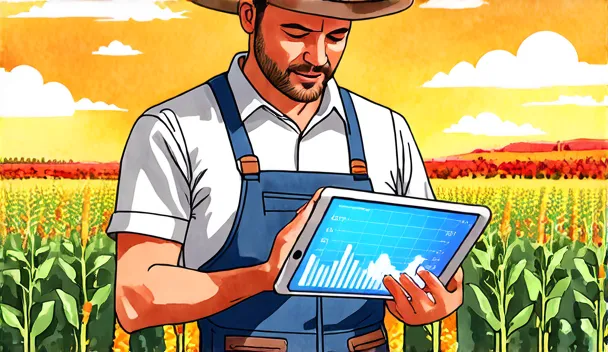
To optimize your yield farming strategy on Solana, it's crucial to monitor your portfolio's performance in real-time. This allows you to quickly identify areas of improvement and make data-driven decisions to maximize returns.
Real-time analytics tools provide a dashboard view of your yield farming activities, offering insights into metrics such as liquidity pool utilization, token prices, and APY (Annual Percentage Yield).
By leveraging these tools, you can track the performance of individual assets within your portfolio and rebalance or adjust strategies accordingly. For instance, if an asset's APY begins to decline, you may choose to redeploy funds to a more lucrative opportunity, thereby maintaining optimal returns on your investment.
Utilizing Solana Ecosystem Tools for Portfolio Optimization and Risk Mitigation
To optimize your yield farming portfolio on Solana and mitigate potential risks, it's essential to leverage the tools available within the Solana ecosystem.
Additionally, Solana's native blockchain explorer, Solscan, provides valuable insights into transaction history, token distribution, and smart contract activity, helping you make informed decisions about your yield farming strategy.
Adjusting Strategies Based on Market Trends and Performance Data
To maximize yield farming returns, it's essential to regularly monitor and adjust your strategies based on market trends and performance data. Think of your yield farming portfolio as a dynamic ecosystem that requires ongoing nurturing and adaptation.
By tracking key metrics such as APY (Annual Percentage Yield), liquidity pool depth, and token prices, you can identify opportunities to rebalance or pivot your strategy.
For example, if you notice a particular liquidity pool's APY is dwindling due to increased competition, it may be wise to reallocate assets to more lucrative pools or explore alternative strategies like lending or staking.
Conclusion
In this comprehensive guide, we've explored the world of yield farming on Solana, covering the fundamentals of DeFi and yield farming, setting up your environment, navigating the Solana ecosystem, providing liquidity, maximizing returns through strategic yield farming, mitigating risks, and monitoring your portfolio.
By now, you should have a solid understanding of how to use Solana for yield farming, including choosing the right wallet, connecting to a DeFi platform, selecting profitable token pairs, and optimizing your strategy for maximum returns.
As you embark on your yield farming journey, remember to stay informed about market trends, adjust your strategies accordingly, and prioritize risk management. With this knowledge, you'll be well-equipped to navigate the Solana ecosystem and capitalize on its yield farming opportunities.
The future of DeFi is exciting, and with Solana's growing popularity, we can expect even more innovative applications and use cases to emerge.