

Archived article · Original source date: 2024-08-15
This article is preserved from the previous Solana Bulls site as a historical archive. It reflects its original context; references to products, people, market conditions, eligibility, or rules may no longer be current.
Editorial note: This article is educational and is not financial, investment, legal, or tax advice. Products, protocols, yields, fees, liquidity, regulations, and tax treatment can change; verify current primary sources and evaluate the specific risks before acting.
The rise of blockchain technology has revolutionized the way we think about peer-to-peer payments, enabling fast, secure, and low-cost transactions across borders.
By harnessing the power of Solana's innovative blockchain architecture, individuals and businesses can unlock new possibilities for efficient and convenient payment solutions.
Unlocking the Power of Solana's Blockchain for Peer-to-Peer Payments
How Solana's Blockchain Architecture Enables Fast, Low-Cost Transactions
Solana's blockchain architecture is designed to facilitate fast and low-cost transactions, making it an ideal platform for peer-to-peer payments.
At its core, Solana uses a proof-of-history (PoH) ordering clock, which allows for the creation of a verifiable, delay-free ledger. This means that transactions are processed in parallel, rather than sequentially, resulting in significantly faster settlement times compared to traditional blockchain networks.
To illustrate this concept, consider a highway system where each transaction is a car. In most blockchains, these cars would be processed one by one, leading to congestion and delays.
Proof of History orders events; validators execute transactions, verify state transitions, and vote on forks through proof-of-stake consensus and Tower BFT.
Key Features of Solana's Blockchain for Peer-to-Peer Payments
Solana's blockchain is designed to facilitate seamless peer-to-peer payments with several key features.
One of the standout features is its speed, allowing for high transaction throughput under suitable workloads, making it an ideal platform for fast and efficient payments. Solana combines proof-of-stake validators and Tower BFT consensus with Proof of History as a verifiable clock for ordering events.
The blockchain also supports smart contracts, enabling users to create customizable payment protocols and automate various processes. Furthermore, Solana's decentralized architecture ensures that all data is stored in a transparent and tamper-evident manner, providing an added layer of security for peer-to-peer transactions.
Benefits of Using Solana for Secure and Efficient Transactions
Utilizing Solana's blockchain technology for peer-to-peer payments offers numerous benefits, making it an attractive option for individuals and businesses alike. One key advantage is the significantly reduced transaction fees compared to traditional payment systems.
This reduction in costs can be attributed to Solana's proof-of-stake consensus algorithm, which enables faster and more energy-efficient transactions. As a result, users benefit from lower costs associated with each transaction.
Moreover, Solana's blockchain ensures secure and tamper-evident transactions through its decentralized ledger, eliminating the need for intermediaries and minimizing the risk of fraud.
Furthermore, Solana's scalability features enable a high volume of transactions per second, making it an ideal solution for high-frequency trading and micropayments.
SOL Tokens: The Foundation of Solana Transactions

Understanding SOL Tokens: Functionality and Use Cases
SOL tokens are the native cryptocurrency of the Solana blockchain, serving as the foundation for all transactions within the network. They can be thought of as the "gas" that powers the Solana ecosystem, enabling users to execute smart contracts, transfer assets, and interact with decentralized applications (dApps).
SOL tokens also play a crucial role in securing the network through staking, which helps validate transactions and maintain consensus among validators.
In essence, SOL tokens are to Solana what ether (ETH) is to Ethereum - they facilitate the smooth operation of the blockchain and incentivize participation from users and validators alike.
SPL programs and application-specific governance
SPL Governance is an optional on-chain program that individual projects can use for DAO proposals and voting. It does not centrally govern the Solana network, create a universal SOL vote, or provide general execution, wallet, token, bridge, fee, or storage functionality. Solana tokens are created and managed through the Token Program or Token-2022. Mint, freeze, metadata, transfer, and extension behavior depend on the selected token program and configured authorities; SPL Governance is optional tooling for project-level DAO governance, not the token standard.
This can be thought of as a digital town hall meeting, where stakeholders come together to shape the future of Solana. By holding SPL tokens, users can vote on proposals for upgrading the protocol, adding new features, or adjusting parameters - all while maintaining the integrity of the blockchain.
This decentralized governance model empowers users to take an active role in shaping the Solana ecosystem, fostering a sense of community and cooperation.
Obtaining and Managing SOL Tokens for Smooth Transactions
To facilitate seamless peer-to-peer transactions on the Solana network, obtaining and managing SOL tokens is essential.
Think of SOL tokens as the fuel that powers your transactions, similar to how gasoline fuels a car. Just as you need gas to drive your vehicle, you need SOL tokens to execute smart contracts and validate transactions on the Solana blockchain.
Setting Up a Secure Solana Wallet for Peer-to-Peer Payments
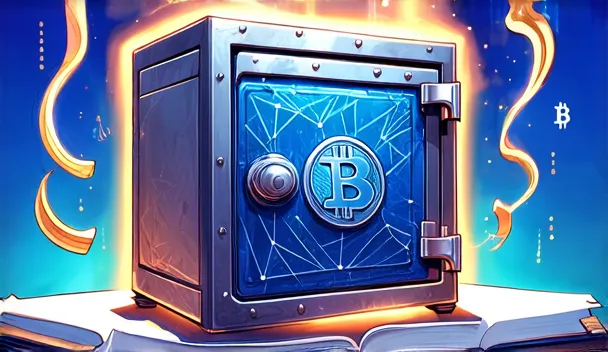
Selecting a Suitable Solana Wallet for Peer-to-Peer Payments
To start making peer-to-peer payments on the Solana network, you'll need to select a suitable wallet that can securely store your SOL tokens. Think of a Solana wallet as a digital safe where you can keep your cryptocurrencies safe from unauthorized access.
When choosing a wallet, consider its user interface, security features, and compatibility with the Solana blockchain. Some popular options include Phantom, Solana Wallet, and Backpack Wallet.
Choose a verified wallet whose custody, recovery, transaction preview, and supported-platform model fits the payment. Protect recovery material separately, and use phishing-resistant multifactor authentication for custodial accounts when offered; no feature guarantees the safety of a transfer.
Step-by-Step Setup Instructions for a Secure Solana Wallet
To set up a secure Solana wallet, follow these step-by-step instructions. First, choose a reputable wallet provider that supports Solana, such as Phantom, Solflare, or Backpack.
Next, download and install the wallet software on your device. Create a new wallet by following the prompts to generate a unique seed phrase and password.
It's essential to store your seed phrase securely, much like you would with a PIN for an ATM card - keep it safe from prying eyes and avoid storing it digitally where hackers can access it.
Once set up, fund your Solana wallet by transferring SOL tokens into it from a cryptocurrency exchange or another wallet.
Implementing Security Measures to Protect Your Solana Wallet
To ensure the security of your Solana wallet, it's essential to implement robust measures that safeguard your funds. One approach is to use a hierarchical deterministic (HD) wallet structure, which generates a unique set of keys for each transaction.
This method helps prevent attackers from accessing your entire wallet if one key is compromised. Two-factor authentication can protect a custodial exchange or application account when that provider supports it, but it does not add a second factor to an ordinary self-custody address or protect assets after a recovery phrase or private key is compromised. Verify the specific wallet and account model.
You can also use a hardware wallet like Ledger or Trezor to store your Solana offline, similar to storing cash in a safe rather than leaving it out in the open.
A Technical Guide to Executing Peer-to-Peer Transactions on Solana

Initiating a Transaction on the Solana Network: A Step-by-Step Guide
To initiate a transaction on the Solana network, you'll need to create and submit a transaction proposal. Think of this process like sending an email - you write the message (transaction proposal), attach the relevant information (token or asset details), and send it off to the recipient (Solana network).
Here's how: first, use a compatible wallet (like Phantom or Solflare) to generate a new transaction proposal, specifying the sender and receiver addresses, as well as the amount of SOL (Solana's native token) you want to transfer.
Then, review your transaction details carefully before confirming and submitting it to the Solana network for validation.
Verifying and Finalizing Peer-to-Peer Payments on Solana
To ensure a seamless peer-to-peer transaction experience on Solana, verifying and finalizing payments is crucial.
Verification involves checking the sender's account balance and the recipient's account existence to prevent errors. This process is similar to how a bank verifies a customer's account details before processing a wire transfer.
Upon finalization, the payment is confirmed, and the recipient can access the funds.
Troubleshooting Common Issues in Solana Transactions
Even with a solid understanding of Solana's peer-to-peer transaction process, issues can arise due to various reasons such as incorrect wallet configurations or network congestion.
A common issue is the "insufficient funds" error, which may occur when attempting to send SOL (Solana's native cryptocurrency) without sufficient balance in your wallet. Another issue could be related to an invalid transaction signature, often resulting from using an outdated version of the Solana CLI toolset.
To troubleshoot such issues, it's essential to verify your wallet balances and update your Solana tools to the latest version available. Additionally, checking the status of the network on a reliable blockchain explorer can provide insights into any ongoing congestion or delays.
Evaluating Solana Wallets: Security, Convenience, and More
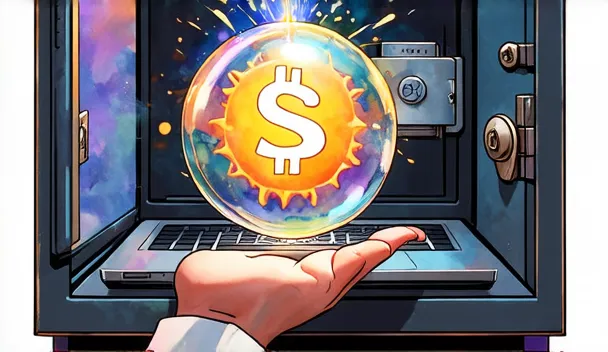
Web-Based vs. Hardware Wallets for Solana Peer-to-Peer Payments
When it comes to storing and managing your Solana (SOL) for peer-to-peer payments, you have two primary options: web-based wallets and hardware wallets. Think of web-based wallets like a digital checking account - they're easily accessible online and allow for quick transactions.
However, this convenience comes with inherent risks, such as exposure to hacking and phishing attacks.
On the other hand, hardware wallets are more like safe deposit boxes - they store your SOL offline, providing an additional layer of security against cyber threats. While they may be less convenient than web-based wallets, their robust security features make them a popular choice for users prioritizing protection.
Evaluating the Pros and Cons of Different Wallet Solutions
When evaluating Solana wallets, it's essential to consider the trade-offs between security, convenience, and functionality.
For instance, hardware wallets like Ledger or Trezor offer robust protection against hacking attempts but may require more time and effort to set up and manage. On the other hand, software wallets such as Phantom or Solflare provide a seamless user experience but may be more vulnerable to phishing attacks or malware.
Another option is mobile wallets like Solana Mobile Wallet, which balance security and convenience by offering biometric authentication and easy transaction management.
By weighing these pros and cons, you can choose a wallet that fits your specific needs and risk tolerance.
Choosing the Best Wallet for Your Solana Payment Needs
To determine the best wallet for your Solana payment needs, consider factors such as security, convenience, and user experience. A secure wallet is like a safe in your home - it protects your valuable assets from unauthorized access.
Convenience is also key; choose a wallet that allows seamless transactions and easy management of multiple accounts. Additionally, consider the user interface and overall experience.
A well-designed wallet can make navigating complex blockchain transactions as smooth as using a mobile payment app.
Mitigating Risks in Solana Peer-to-Peer Transactions
Common Risks in Solana Peer-to-Peer Transactions: A Guide to Awareness
As with any decentralized, blockchain-based system, Solana peer-to-peer transactions come with unique risks that users should be aware of. One common risk is the potential for 51% attacks, where a group of malicious actors control more than half of the network's mining power, allowing them to manipulate transaction validation and potentially steal funds.
Another risk is related to smart contract vulnerabilities, which can lead to unintended behavior or even allow hackers to drain funds from a wallet. Additionally, users should be cautious when dealing with unverified or untrustworthy parties, as Solana's decentralized nature means there is no central authority to guarantee the identity or intent of other users.
Implementing Robust Security Measures for Solana Wallets and Accounts
To safeguard peer-to-peer transactions on the Solana network, it's essential to implement robust security measures for your Solana wallets and accounts. Think of your wallet as a digital safe - just like how you'd secure your physical valuables in a fireproof safe, you need to protect your digital assets from potential threats.
Start by using unique and complex passwords for your wallet and account, avoiding common phrases or easily guessable information.
Best Practices for Secure Transaction Execution on the Solana Network
To ensure secure transaction execution on the Solana network, it's essential to follow best practices that mitigate potential risks. One key practice is to verify the recipient's address carefully before initiating a transaction. This can be done by double-checking the address and using a hardware wallet or multi-signature wallet for added security.
Additionally, users should be cautious of phishing scams and never share their private keys or seed phrases with anyone. It's also recommended to keep software up-to-date and use reputable wallets and tools to interact with the Solana network.
By taking these precautions, users can significantly reduce the risk of errors or malicious activity, ensuring a smooth and secure transaction experience.
Conclusion
In this comprehensive guide, we have explored the vast potential of Solana's blockchain technology for facilitating fast, secure, and efficient peer-to-peer payments.
We delved into the foundational aspects of SOL tokens, setting up a secure Solana wallet, executing peer-to-peer transactions, evaluating various wallets, and mitigating risks associated with these transactions.
By understanding the key features and benefits of Solana's blockchain architecture, readers can now leverage this knowledge to unlock seamless peer-to-peer payment experiences.
As the Solana ecosystem continues to evolve, it is essential for users to stay informed about best practices, security measures, and emerging trends to maximize their benefits from this innovative technology.
By embracing Solana's capabilities, individuals can unlock a new world of secure, low-cost, and efficient transactions.