
Archived article · Original source date: 2024-08-12
This article is preserved from the previous Solana Bulls site as a historical archive. It reflects its original context; references to products, people, market conditions, eligibility, or rules may no longer be current.
Editorial note: This article is educational and is not financial, investment, legal, or tax advice. Products, protocols, yields, fees, liquidity, regulations, and tax treatment can change; verify current primary sources and evaluate the specific risks before acting.
The rise of non-fungible tokens (NFTs) has sparked a digital revolution, allowing artists, creators, and collectors to monetize unique assets in ways previously unimaginable. As the market for these one-of-a-kind digital treasures continues to grow, a new breed of online platforms has emerged: NFT marketplaces.
These specialized platforms have become the go-to destinations for buying, selling, and trading NFTs, but what exactly are they, and how do they work? This article will delve into the world of NFT marketplaces, exploring their purpose, functionality, and benefits, as well as key features, blockchain integration, and revenue streams.
Whether you're an artist looking to showcase your work, a collector seeking rare digital assets, or simply curious about this emerging market, this guide will provide you with a comprehensive understanding of what makes NFT marketplaces tick.
Defining NFT Marketplaces: Purpose, Functionality, and Benefits
Introduction to NFT Marketplaces and Their Role in the Digital Art World
NFT marketplaces have revolutionized the way digital art is created, bought, sold, and owned. In traditional art markets, physical pieces are bought and sold through galleries, auctions, or private sales.
However, with the rise of blockchain technology, a new platform has emerged for digital artists to showcase and monetize their work. NFT marketplaces serve as online platforms where creators can mint, list, and trade unique digital assets, such as art, collectibles, and even in-game items.
These marketplaces have opened up new opportunities for digital artists to reach global audiences, while also providing a secure and transparent way to prove ownership and scarcity of their work.
Buying, Selling, and Trading NFTs: A Step-by-Step Guide
Imagine you're an art collector looking to buy a rare painting. You'd typically visit a gallery, browse through the collection, and negotiate with the seller or artist.
Similarly, NFT marketplaces facilitate the buying, selling, and trading of unique digital assets. To get started, users create an account on the marketplace platform, linking their cryptocurrency wallet to enable transactions.
They can then browse through available NFTs, filtering by categories like art, collectibles, or in-game items. Once they find a desired NFT, they can purchase it using the designated cryptocurrency.
The transaction is recorded on the blockchain, ensuring ownership and provenance.
Sellers can list their NFTs for sale, setting a price and specifying conditions. Marketplaces often charge a commission on sales, but this varies between platforms.
Filling a Niche in the Digital Art Ecosystem
NFT marketplaces have carved out a unique space within the digital art ecosystem, bridging the gap between creators and collectors. By providing a platform for artists to monetize their digital works, these marketplaces have democratized access to art investment and collection.
Think of it as an online equivalent of a physical gallery, where emerging artists can showcase their work alongside established names. This has opened up new revenue streams for artists, who can now sell unique pieces directly to enthusiasts, cutting out intermediaries like galleries and auction houses.
As the digital art market continues to grow, NFT marketplaces are well-positioned to capitalize on this trend, fostering a community of creatives and connoisseurs in the process.
Niche Categorization of NFT Marketplaces: Specialized Platforms for Unique Assets
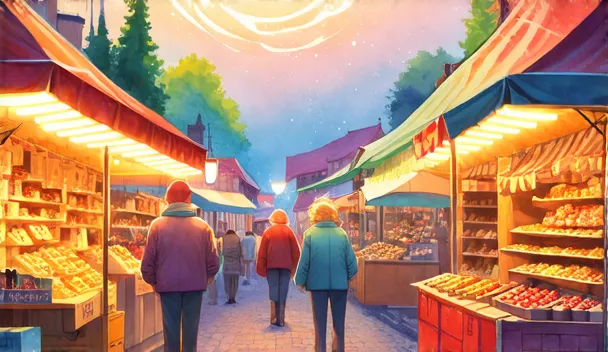
Specialized Platforms for Specific Types of NFTs
As the NFT market continues to evolve, we're seeing the emergence of specialized platforms catering to specific types of non-fungible tokens. These niche marketplaces focus on unique assets that require tailored solutions, such as art, collectibles, in-game items, and even virtual real estate.
For instance, platforms like Rarible specialize in digital art, while OpenSea focuses on in-game items and collectibles. This segmentation allows for more efficient discovery, trading, and management of specific NFT types, much like how a boutique store might specialize in a particular brand or category of products.
Marketplaces Catering to Art Collectors, Connoisseurs, and Enthusiasts
While general NFT marketplaces offer a broad range of digital assets, niche platforms cater specifically to art collectors, connoisseurs, and enthusiasts.
These specialized marketplaces focus on showcasing high-end, unique, or rare pieces, often with a strong emphasis on provenance and authenticity. For instance, platforms like Rarible and SuperRare resemble exclusive galleries, where artists and collectors can buy, sell, and trade limited-edition digital art pieces.
Similarly, NFT marketplaces like KnownOrigin and MakersPlace focus on promoting emerging artists and their work, providing a platform for them to showcase their talents and connect with potential buyers.
These niche platforms not only facilitate the discovery of new art but also provide a curated experience for collectors and enthusiasts.
Exploring Marketplaces for Gaming, Music, and Other Unique Assets
Niche categorization has given rise to specialized NFT marketplaces that cater to specific industries or asset types.
For instance, gaming platforms like Decentraland and The Sandbox allow users to buy, sell, and trade unique in-game assets such as virtual land, characters, and accessories.
In the music industry, marketplaces like Audius and Rarible enable artists to create and sell NFTs representing exclusive content, such as limited-edition audio tracks or behind-the-scenes footage.
Other platforms specialize in digital collectibles, like sports memorabilia or rare artwork.
These specialized platforms simplify the buying and selling process for unique assets by providing a tailored experience that caters to the specific needs of each community.
Key Features of a Successful NFT Marketplace: User Experience, Security, and Customization
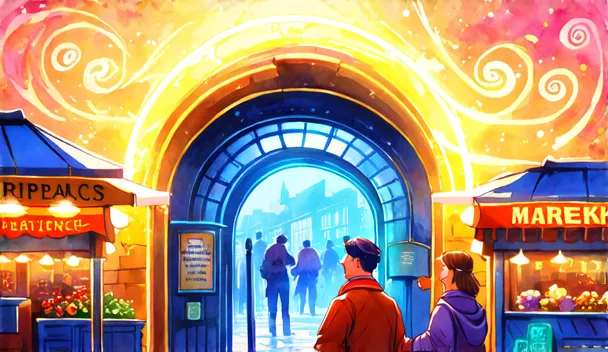
Streamlining User Experience for Effortless Transactions
A successful NFT marketplace must prioritize user experience, making it easy for buyers and sellers to navigate and conduct transactions. This means providing an intuitive interface that simplifies the process of buying, selling, and managing digital assets.
For instance, a well-designed marketplace should allow users to easily discover new NFTs, filter by category or artist, and make purchases with minimal friction. Think of it like online shopping - if the checkout process is clunky or confusing, customers are more likely to abandon their carts.
In the same way, a seamless user experience in an NFT marketplace encourages repeat business and fosters a loyal community.
Robust Security Measures to Safeguard Digital Assets
A successful NFT marketplace prioritizes robust security measures to safeguard digital assets, protecting users' valuable investments. This is achieved through multi-layered encryption protocols, such as two-factor authentication (2FA) and secure socket layer (SSL) certificates.
These measures ensure that sensitive user information remains confidential and encrypted, much like a safe deposit box in a bank.
Additionally, smart contract technology allows for self-executing agreements with predetermined rules, providing an additional layer of security against potential scams or exploits.
By implementing these robust security measures, NFT marketplaces can establish trust among users and create a secure environment for buying, selling, and trading unique digital assets.
Scalability and Customization Options for Niche Marketplaces
A successful NFT marketplace should also offer scalability and customization options to cater to niche markets. This means allowing creators to build bespoke marketplaces that meet the unique needs of their community or audience.
For instance, a platform focused on digital art might prioritize high-resolution image rendering, while a music-focused platform might emphasize audio streaming capabilities.
By providing customization options such as modular UI components, APIs, and SDKs, NFT marketplaces can empower creators to build tailored experiences that foster engagement and drive adoption within their specific niches.
Blockchain Integration and Smart Contracts: The Technical Foundation of NFT Marketplaces
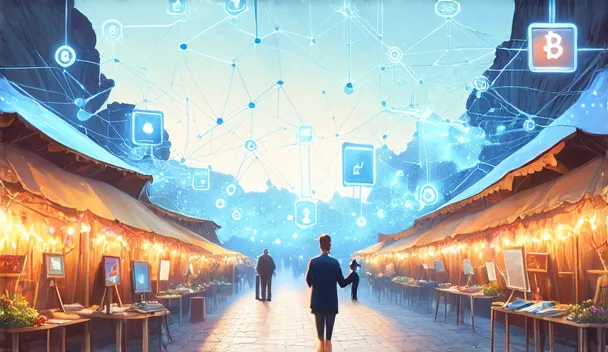
Enabling Secure, Decentralized, and Transparent Transactions
The integration of blockchain technology and smart contracts is the technical backbone of NFT marketplaces. This combination enables secure, decentralized, and transparent transactions, allowing buyers and sellers to trust the platform without relying on intermediaries.
Smart contracts, for example, can automate the transfer of ownership and payment upon the sale of an NFT, eliminating the need for a central authority.
This process is similar to a vending machine: once you insert your coin (or in this case, cryptocurrency), the machine automatically dispenses the product, ensuring a smooth and secure transaction without human intervention.
The Building Blocks of NFT Marketplaces: Blockchain and Smart Contracts
Blockchain technology provides the backbone for NFT marketplaces, enabling secure, transparent, and tamper-evident transactions. Imagine a digital ledger where all transactions are recorded in real-time, allowing multiple parties to access the same information without relying on intermediaries.
This decentralized architecture ensures that NFT ownership is accurately represented and verified, eliminating the risk of counterfeiting or unauthorized transfers.
Smart contracts, built on top of blockchain technology, automate the rules and logic governing NFT marketplaces. They facilitate seamless interactions between buyers, sellers, and creators, streamlining the process of listing, purchasing, and trading unique digital assets.
Ensuring Scalability, Accessibility, and Efficiency
Blockchain integration and smart contracts are the backbone of NFT marketplaces, enabling scalability, accessibility, and efficiency. By leveraging blockchain technology, these platforms can handle a large volume of transactions without compromising speed or security.
Smart contracts, in particular, facilitate the automation of tasks and enforcement of rules, reducing the need for intermediaries and increasing overall efficiency.
For instance, an NFT marketplace built on the Ethereum network can utilize smart contracts to automatically execute royalty payments to artists each time their work is sold or resold, ensuring they receive fair compensation without requiring manual intervention.
Revenue Streams in NFT Marketplaces: Fees, Commissions, and Emerging Monetization Models
Understanding Commission-Based Revenue Streams for Creators and Sellers
In NFT marketplaces, commission-based revenue streams are a common practice.
This model involves charging creators or sellers a percentage of the sale price as a fee for using the platform's services. For instance, if an artist sells their digital art piece for $100 on a marketplace with a 10% commission rate, they would receive $90, while the platform takes $10 as its revenue share.
This model incentivizes marketplaces to promote and facilitate sales, thereby increasing earnings through higher transaction volumes.
Exploring Alternative Monetization Models in NFT Marketplaces
Beyond traditional fees and commissions, emerging NFT marketplaces are exploring alternative monetization models.
One such model is the "DAO" (Decentralized Autonomous Organization) approach, where a community-owned treasury receives a percentage of sales revenue to fund community initiatives and incentivize contributors.
Another example is the "token-based" model, where marketplaces issue their own tokens, which can be used for voting rights, exclusive content access, or discounts on platform fees.
These innovative models not only provide additional revenue streams but also foster community engagement and shared ownership, ultimately creating a more sustainable and decentralized NFT ecosystem.
The Future of Revenue Streams in NFT Marketplaces
As the NFT market continues to evolve, we can expect to see innovative revenue streams emerge.
One potential trend is the integration of decentralized finance (DeFi) elements, such as lending and yield farming, into NFT marketplaces. This could allow users to earn passive income by staking their NFTs or providing liquidity to marketplaces.
Another possibility is the rise of "tokenized" ownership models, where NFT holders can fractionalize their assets and sell them on secondary markets. This would enable more investors to participate in the NFT ecosystem, driving growth and adoption.
As the lines between traditional art, collectibles, and digital assets continue to blur, we can expect NFT marketplaces to become increasingly sophisticated in their revenue generation strategies.
Conclusion
In this article, we've explored the concept of NFT marketplaces, their purpose, functionality, and benefits. We've also delved into the niche categorization of these platforms, highlighting specialized marketplaces for unique assets such as digital art, gaming, and music.
Additionally, we discussed key features that contribute to a successful NFT marketplace, including user experience, security, customization, blockchain integration, and smart contracts. Furthermore, we examined revenue streams in NFT marketplaces, comprising fees, commissions, and emerging monetization models.
As the NFT landscape continues to evolve, it's essential for creators, collectors, and enthusiasts to understand these concepts and adapt to new developments. With this knowledge, you're better equipped to navigate the exciting world of NFTs and unlock their full potential.