

Archived article · Original source date: 2024-08-30
This article is preserved from the previous Solana Bulls site as a historical archive. It reflects its original context; references to products, people, market conditions, eligibility, or rules may no longer be current.
Editorial note: This article is educational and is not financial, investment, legal, or tax advice. Products, protocols, yields, fees, liquidity, regulations, and tax treatment can change; verify current primary sources and evaluate the specific risks before acting.
However, as we continue to produce more data, the task of preserving our digital heritage for future generations becomes increasingly daunting due to challenges such as data degradation, tampering, and loss.
Understanding Digital Heritage: Significance, Challenges, and Limitations
Defining Digital Heritage and its Importance
Digital heritage refers to the collective digital footprint left behind by individuals, communities, and societies.
This includes but is not limited to images, videos, documents, emails, social media posts, and other forms of digital content that hold historical, cultural, or sentimental value.
As we increasingly live our lives online, the preservation of this digital heritage becomes paramount for maintaining a sense of continuity and identity across generations.
Current Challenges and Threats to Digital Heritage
The preservation of digital heritage faces numerous challenges, including data degradation, obsolescence, and intentional destruction. For instance, the rapid evolution of technology can render file formats obsolete, making it difficult for future generations to access historical digital content.
Moreover, the increasing reliance on cloud storage solutions raises concerns about data sovereignty and security, as centralized platforms are vulnerable to hacking and data breaches.
Additionally, the proliferation of deepfakes and AI-generated content threatens the integrity and authenticity of digital heritage, highlighting the need for robust verification mechanisms to ensure the trustworthiness of preserved digital artifacts.
Types of Digital Heritage and their Significance
Digital heritage encompasses a broad spectrum of digital artifacts, each carrying significant cultural, historical, or personal value.
This includes digital art pieces stored on platforms like Exchange Art, representing the evolution of artistic expression in the digital age. Another type is non-fungible tokens (NFTs), found on marketplaces such as Magic Eden, which symbolize ownership and scarcity in the digital realm.
Furthermore, documents and data stored through solutions like Shadow Drive signify the shift towards decentralized data sovereignty, ensuring that these pieces of our digital footprint are preserved securely for future generations.
These types of digital heritage not only reflect our current technological landscape but also hold the potential to redefine how we perceive and interact with our collective history.
Blockchain Basics: Distributed Ledger Technology and Applications

Blockchain's Distributed Ledger Architecture: Ensuring Data Integrity
The distributed ledger architecture of blockchain technology is a cornerstone in ensuring data integrity. By decentralizing data storage and management across a network of nodes, blockchain mitigates the risks associated with centralized platforms, such as single-point failures and data breaches.
Each node on the blockchain maintains an identical copy of the shared ledger, which ensures that no single entity can manipulate or tamper with the data without consensus from other nodes. This decentralized approach not only promotes transparency but also provides a robust mechanism for verifying the authenticity of digital artifacts.
Shadow Drive provides decentralized object-storage infrastructure, but storage distribution does not by itself establish encryption, confidentiality, integrity, availability, data sovereignty, or legal compliance. Verify its current replication, payment, access, encryption, deletion, and recovery model for the specific application.
Key Components of Blockchain Applications
Blockchain applications, particularly those focused on preserving digital heritage, are built upon several key components that ensure their functionality, security, and scalability.
Another crucial element is the utilization of non-fungible tokens (NFTs), as seen in platforms like Magic Eden and Exchange Art, which represent ownership and uniqueness in the digital realm. Furthermore, cross-chain communication protocols such as Wormhole enable seamless interactions between different blockchain environments, facilitating broader adoption and integration of these technologies within the digital heritage preservation ecosystem.
Preservation and Conservation in the Digital Age
The advent of blockchain technology has revolutionized the way we approach preservation and conservation in the digital age. By harnessing the power of distributed ledger systems, we can ensure the long-term integrity and accessibility of our digital heritage.
Similarly, marketplaces such as Magic Eden and Exchange Art are leveraging blockchain technology to facilitate the creation, exchange, and preservation of unique digital art pieces and NFTs, thereby promoting artistic expression and ownership in the digital realm.
Blockchain Meets Digital Heritage: Addressing Preservation Challenges

Challenges and Limitations of Traditional Preservation Methods
Traditional preservation methods have been plagued by challenges such as data degradation, obsolescence, and intentional destruction.
The rapid evolution of technology can render file formats obsolete, making it difficult for future generations to access historical digital content.
For instance, traditional methods have struggled to address issues such as bit rot, where even small errors in data can lead to significant losses of information over time.
Immutable Records with Blockchain-Based Solutions
The preservation of digital heritage necessitates the creation and maintenance of immutable records, ensuring that historical data remains unaltered and tamper-evident over time. Blockchain technology offers a viable solution for this challenge by providing a decentralized, distributed ledger architecture that inherently safeguards against data manipulation.
A preservation system can use blockchain records for timestamps, provenance, checksums, or storage references, while services such as Shadow Drive can provide separate decentralized storage. Neither layer makes an artifact impossible to alter or delete: durability depends on replication, funding, permissions, encryption, software, operators, and recovery plans.
Addressing Accessibility and Authenticity Concerns
The preservation of digital heritage also necessitates addressing accessibility and authenticity concerns.
Blockchain technology plays a pivotal role in this regard, offering robust mechanisms for verifying the integrity and ownership of digital artifacts.
This not only promotes transparency but also provides a safeguard against tampering and manipulation, ensuring that the authenticity of preserved digital artifacts is maintained over time.
Benefits of Blockchain in Preserving Digital Heritage
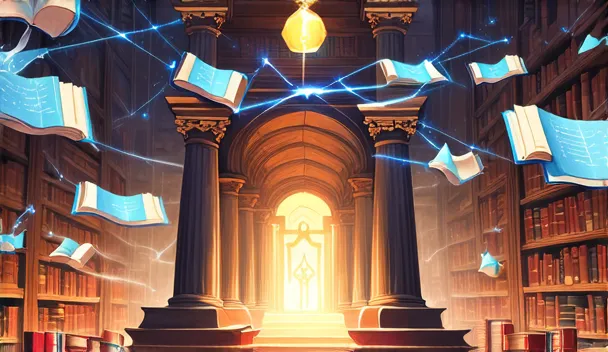
Tamper-Proofing Digital Heritage with Blockchain
The preservation of digital heritage necessitates a robust mechanism to safeguard against tampering and manipulation.
Blockchain technology, with its inherent distributed ledger architecture, provides an ideal solution for creating tamper-evident records. By decentralizing data storage across a network of nodes, blockchain ensures that any attempt to alter or delete historical data is immediately detectable and reversible.
This immutable nature of blockchain-based records allows digital artifacts to remain authentic and trustworthy over time, protecting them from intentional destruction or manipulation.
Verifying Authenticity through Blockchain
One of the most significant challenges facing digital heritage preservation is verifying the authenticity and ownership of digital artifacts.
This is where blockchain technology shines, offering a robust mechanism for ensuring the integrity and trustworthiness of preserved digital content.
This decentralized approach not only promotes transparency but also safeguards against tampering and manipulation, ensuring that the authenticity of preserved digital artifacts is maintained over time.
Making Cultural and Historical Records Accessible
Blockchain technology plays a pivotal role in making cultural and historical records accessible to future generations.
Moreover, platforms like Magic Eden and Exchange Art facilitate the creation, exchange, and preservation of unique digital art pieces and NFTs, representing ownership and scarcity in the digital realm.
These initiatives underscore the potential of blockchain technology to redefine how we perceive and interact with our collective history, making cultural and historical records more accessible and engaging for a broader audience.
Preserving Different Types of Digital Heritage with Blockchain
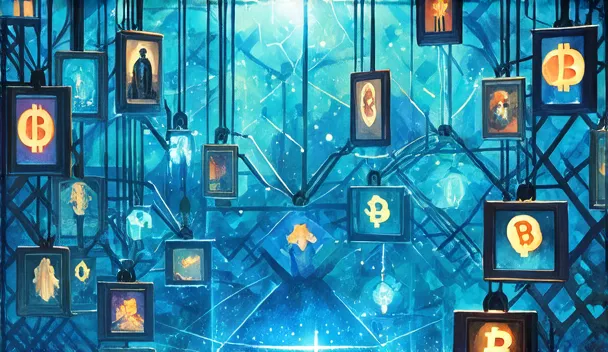
Blockchain-Based Image Preservation and Authentication
The advent of blockchain technology has significantly impacted the preservation and authentication of digital images.
Video Content Verification and Protection with Blockchain
Blockchain technology offers a groundbreaking solution for verifying and protecting video content, ensuring its integrity and authenticity in the digital age.
By utilizing blockchain's distributed ledger architecture, video content creators can safeguard their work against tampering, manipulation, and copyright infringement.
This decentralized approach ensures that any alterations or attempts to manipulate the video content are immediately detectable and reversible, protecting the integrity of the digital artifact.
Securing Document Heritage and Provenance with Blockchain
The preservation of document heritage, encompassing historical documents, academic papers, and other written records, is a critical aspect of digital heritage. However, the integrity and authenticity of these documents are often compromised by tampering, manipulation, or intentional destruction.
Blockchain technology offers a robust solution for securing document heritage and provenance, ensuring that historical records remain trustworthy and authentic over time.
Furthermore, blockchain-based solutions enable the creation of immutable records, making it possible to track changes and updates to documents while maintaining their integrity. This not only promotes transparency but also provides a safeguard against intentional destruction or manipulation, ensuring that document heritage is preserved securely for future generations.
Technical Considerations for Implementing Blockchain Solutions
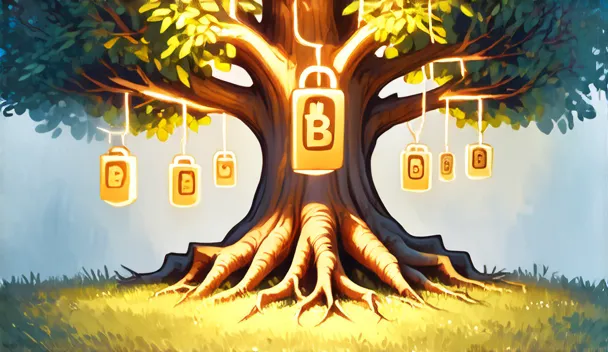
Data Storage and Management Requirements for Blockchain Integration
The integration of blockchain technology in preserving digital heritage necessitates careful consideration of data storage and management requirements.
Distributed ledgers can make selected provenance records tamper-evident, but the referenced artifact may still be replaced, lost, made unavailable, or controlled through application and storage permissions. Preservation therefore requires redundant storage, fixity checks, durable funding, open formats, governance, and tested recovery procedures.
These platforms leverage the power of distributed ledger systems to ensure that digital artifacts are stored securely across a network of nodes, making it impossible to alter or delete records without consensus from other nodes in the network.
Security Measures to Prevent Data Tampering and Corruption
Implementing blockchain solutions for preserving digital heritage requires robust security measures to prevent data tampering and corruption.
Additionally, cross-chain communication protocols such as Wormhole enable seamless interactions between different blockchain environments, facilitating broader adoption and integration of these technologies within the digital heritage preservation ecosystem.
Scalability and Interoperability Considerations
When implementing blockchain solutions for preserving digital heritage, it is crucial to address scalability and interoperability considerations.
This involves ensuring that the chosen blockchain technology can handle a large volume of transactions efficiently and securely, without compromising on data integrity or accessibility.
Scalability is particularly important in the context of digital heritage preservation, where large amounts of data need to be stored and retrieved seamlessly.
Future Developments and Research Directions

Enhancing Scalability through Sharding and Layer 2 Solutions
The preservation of digital heritage on blockchain technology necessitates addressing scalability concerns to ensure efficient data storage and retrieval.
This is where sharding and layer 2 solutions come into play, offering innovative approaches to enhance the scalability of blockchain applications.
Sharding involves splitting a blockchain network into smaller, independent pieces called shards, each responsible for processing a subset of transactions.
This distributed approach not only improves transaction throughput but also increases the overall capacity of the blockchain, making it more suitable for preserving large amounts of digital heritage.
Layer 2 solutions further expand on this concept by implementing additional scalability protocols on top of the base layer blockchain. These solutions enable faster and more efficient transactions while maintaining the security and decentralization inherent to blockchain technology.
Platforms like Shadow Drive, Magic Eden, and Exchange Art are already exploring these technologies to enhance their scalability and provide seamless user experiences.
By embracing sharding and layer 2 solutions, we can unlock the full potential of blockchain in preserving digital heritage, ensuring that our collective history remains accessible and secure for generations to come.
Developing Interoperable Blockchain Networks for Seamless Data Sharing
The preservation of digital heritage necessitates seamless data sharing across different blockchain environments.
This is where interoperable blockchain networks come into play, enabling the secure and efficient transfer of value and data between diverse ecosystems.
For instance, platforms like Wormhole have emerged as a foundational piece of Web3 infrastructure, offering robust solutions for cross-chain communication.
By leveraging decentralized messaging protocols underpinned by signed Verified Action Approvals (VAAs) and a network of Guardian nodes, Wormhole ensures secure and efficient transfers across blockchain environments.
Investigating New Consensus Algorithms for Efficient Heritage Preservation
The preservation of digital heritage necessitates the exploration of novel consensus algorithms that can efficiently facilitate the creation, verification, and storage of digital artifacts.
One promising area of research is the development of more energy-efficient and scalable consensus mechanisms, such as Proof-of-Stake (PoS) or Delegated Proof-of-Stake (DPoS), which could significantly reduce the carbon footprint associated with blockchain-based preservation methods.
Solana combines proof-of-stake validators and Tower BFT consensus with Proof of History as a verifiable clock for ordering events.
Conclusion
The role of blockchain in preserving digital heritage is multifaceted and holds great potential.
Through this blog post, we've explored the significance of digital heritage, the challenges it faces, and how blockchain technology can address these issues. We delved into the basics of blockchain, its applications, and how it can be leveraged to preserve different types of digital heritage.
The benefits of using blockchain for preservation were outlined, including tamper-proofing, verifying authenticity, and making cultural and historical records accessible.
Technical considerations for implementing blockchain solutions were also discussed, along with future developments and research directions.
As we move forward, the integration of blockchain technology in preserving digital heritage will be crucial in safeguarding our shared history and culture for generations to come.