
Archived article · Original source date: 2024-08-30
This article is preserved from the previous Solana Bulls site as a historical archive. It reflects its original context; references to products, people, market conditions, eligibility, or rules may no longer be current.
This concept is now a reality with the emergence of mutable non-fungible tokens (NFTs), which offer artists the flexibility to modify their work even after it has been sold.
However, this capability also raises questions about the very nature of digital ownership and the value we place on art that can change.
In this blog post, we'll delve into the world of mutable NFT art, exploring its potential benefits and drawbacks for both creators and collectors.
Introduction to Mutable NFTs: Redefining Digital Ownership
Understanding the Concept of Mutable NFT Art
Mutability in digital art is a concept that challenges traditional notions of ownership and value. Unlike their immutable counterparts, mutable non-fungible tokens (NFTs) allow artists to update or modify their creations even after they've been sold.
This flexibility can be seen as both a blessing and a curse. On one hand, it enables artists to refine their work based on new inspirations or community feedback, potentially increasing the artwork's value over time.
On the other hand, it raises questions about the authenticity and permanence of digital art, blurring the lines between different versions of a piece.
Implications and Opportunities
The emergence of mutable NFTs brings about a new wave of creative possibilities, allowing artists to reimagine their work in real-time. This flexibility can lead to innovative collaborations between creators and collectors, where the art piece evolves based on community feedback or as a response to current events.
However, it also raises questions about the ownership and value of digital art that can change over time. For instance, if an NFT's appearance or meaning shifts significantly after purchase, does the collector still own the original artwork, or do they now possess something entirely new?
Despite these challenges, mutable NFTs offer opportunities for deeper engagement with digital art, enabling collectors to participate in the creative process and fostering a sense of community around evolving artworks.
The Flexibility-Value Tradeoff in Mutable NFTs
As mutable NFTs redefine digital ownership, they introduce a new dynamic where flexibility and value are intertwined. This shift challenges the traditional notion that an artwork's value is fixed once it leaves the creator's hands.
Instead, mutable NFTs allow for ongoing collaboration between artists and collectors, potentially increasing the artwork's value through updates and iterations. However, this flexibility also raises questions about the nature of ownership and whether the ability to modify a piece after sale compromises its inherent value.
The tradeoff becomes apparent: as mutability offers creators more control over their work, it may dilute the sense of permanence that collectors seek in unique digital art pieces.
The Evolution of Digital Art: How Mutability Impacts Creative Freedom and Expression
The Rise of Mutable Digital Art Forms
The evolution of digital art has given rise to a new wave of creativity, with mutable NFTs leading the charge. This innovative approach is transforming the way artists create, interact with, and monetize their work.
As seen in projects like Drip, where creators can freely distribute limited-edition art and music directly to enthusiasts and collectors, mutability offers a unique pathway for artists to refine their creations based on community feedback or new inspirations. Similarly, MadLads' xNFTs showcase the potential of embedded functionalities that not only enhance the value of each piece but also foster deeper connections between community members.
The rise of mutable digital art forms like these challenges traditional notions of ownership and value, opening up new avenues for creative expression and engagement.
A Delicate Balance
The shift towards mutable NFTs requires a delicate balance between flexibility and permanence. On one hand, allowing artists to update or modify their creations post-sale can lead to innovative collaborations and deeper engagement with the artwork.
However, this mutability also challenges traditional notions of ownership and value in digital art. To navigate this balance, creators must consider the potential impact on collectors who may be seeking unique, immutable pieces.
One possible approach is for artists to clearly communicate any planned modifications upfront, setting collector expectations and allowing them to make informed purchasing decisions.
Evolving Value Systems in NFT Marketplaces
The rise of mutable NFTs has sparked a shift in how value is perceived and assigned within digital art marketplaces. Traditional notions of ownership, where the buyer possesses a fixed, unalterable piece of art, are being challenged by the dynamic nature of mutable NFTs.
This evolution forces collectors to reassess what they're buying: is it the original artwork, or an evolving entity that reflects the artist's ongoing creativity?
As marketplaces like Drip, which empower creators with direct distribution tools and novel currencies like Droplets, continue to emerge, new value systems are being established.
For instance, MadLads' integration of utility and art through xNFTs not only enhances the value of each piece but also fosters a deeper connection between community members and founders. This blending of artistic expression with functional innovation redefines how we perceive the value of digital collectibles.
Collector Concerns: Unpacking the Risks of Mutable NFTs on Value, Trust, and Authentication
The Impact of Mutability on Perceived Value
As mutable NFTs redefine digital ownership, they introduce a dynamic where perceived value is influenced by the flexibility to update or modify an artwork after its initial creation. This shift challenges traditional notions that an artwork's value is fixed once it leaves the creator's hands.
Instead, mutability allows for ongoing collaboration between artists and collectors, potentially increasing the artwork's value through updates and iterations. However, this dynamic also raises questions about whether the ability to modify a piece compromises its inherent value.
The impact of mutability on perceived value becomes apparent in projects like Drip, where creators can refine their work based on community feedback or new inspirations, offering a unique pathway for artists to enhance their creations over time.
How Mutable NFTs Affect Collector Confidence
The advent of mutable NFTs has sparked a significant shift in how collectors perceive and interact with digital art.
One of the primary concerns is the potential impact on collector confidence. When an artwork can change over time, it challenges traditional notions of ownership and value, leading to questions about the permanence and authenticity of the piece.
This uncertainty may erode trust between collectors and artists, as well as within the broader NFT community.
Authentication Challenges in a Dynamic Art World
The rise of mutable NFTs poses significant challenges to traditional authentication methods in digital art. As artworks evolve and change over time, verifying their authenticity becomes increasingly complex.
This issue is particularly pertinent for collectors who may struggle to distinguish between original and modified versions of an artwork.
To address this challenge, creators and platforms must develop robust authentication systems that can verify the ownership and provenance of mutable NFTs throughout their lifecycle. One potential approach involves utilizing blockchain technology to create a tamper-evident record of each modification, ensuring that the artwork's history is transparent and verifiable.
By leveraging such solutions, collectors can maintain trust in the authenticity of their digital art holdings, even as they evolve over time.
Finding Balance: Creator Autonomy vs. Collector Confidence in Mutable NFT Ecosystems
Creator Autonomy in Mutable NFT Ecosystems
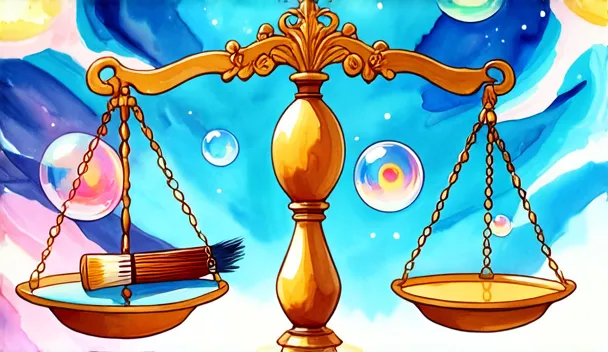
The rise of mutable non-fungible tokens (NFTs) has transformed the digital art landscape, offering creators unprecedented autonomy over their work. This shift is particularly evident in platforms like Drip and MadLads, where artists can update or modify their creations post-sale, reflecting new inspirations or community feedback.
By allowing for ongoing collaboration between artists and collectors, mutable NFTs redefine traditional notions of ownership and value, empowering creators with the flexibility to refine their work over time. This autonomy not only enhances the creative process but also fosters a deeper connection between artists and their audience.
This is seen in projects like Galactic Geckos, where community engagement is integral to the artwork's evolution.
The Impact of Mutability on Collector Confidence
Mutability in NFT art can significantly impact collector confidence, as it challenges traditional notions of ownership and value.
When an artwork can change over time, collectors may struggle to distinguish between original and modified versions, potentially eroding trust in the authenticity of the piece.
This uncertainty can lead to a decline in collector confidence, making them more cautious when investing in mutable NFTs.
Strategies for Balance and Transparency
To mitigate the risks associated with mutable NFTs, collectors and artists must adopt strategies that promote transparency and balance.
One approach is to clearly communicate any planned modifications upfront, allowing collectors to make informed purchasing decisions about artworks that may change over time. This can be achieved through detailed documentation of the artwork's history, including records of all changes made since its creation.
By providing this level of transparency, artists can maintain trust with their audience and ensure that collectors understand the evolving nature of the artwork.
Technical Implications and Challenges of Implementing Mutable NFTs
Smart Contract Limitations and Scalability Concerns
The implementation of mutable NFTs relies heavily on smart contracts, which are self-executing agreements with the terms of the contract directly written into lines of code.
While smart contracts offer a secure and transparent way to manage NFT transactions, they also present limitations that can impact scalability and functionality.
For instance, complex logic within smart contracts can lead to higher gas costs and slower transaction processing times, limiting the overall efficiency of mutable NFT ecosystems.
Data Storage and Management Solutions for Mutable NFTs
The dynamic nature of mutable non-fungible tokens (NFTs) necessitates innovative data storage and management solutions.
Traditional methods may fall short in handling the evolving metadata and ownership records associated with these digital art pieces.
To address this challenge, platforms like Metaplex offer robust ecosystems that support thousands of decentralized applications (dApps) and NFT communities.
Their Token Metadata standard provides a foundation for managing mutable NFTs efficiently, ensuring flexibility and scalability as the artwork evolves.
Furthermore, solutions like Candy Machine v3™ facilitate NFT launches with ease, catering to the unique needs of mutable digital art.
Token Standardization and Interoperability in a Dynamic Environment
The integration of mutable NFTs into existing blockchain ecosystems necessitates the development of standardized token protocols that can accommodate dynamic changes. This standardization is crucial for ensuring interoperability between different platforms and applications, allowing collectors to seamlessly interact with their digital art holdings across various environments.
For instance, Metaplex's Token Metadata standard plays a pivotal role in facilitating this interoperability by providing a common framework for NFTs on Solana, enabling thousands of decentralized applications (dApps) and communities to leverage its robust ecosystem.
By establishing clear standards for mutable NFTs, creators can ensure that their work remains compatible with evolving platforms and technologies, safeguarding the long-term value and authenticity of digital art.
Mitigating Risks and Ensuring Transparency: Best Practices for Creators and Collectors
Clearly Defining Mutable NFT Terms and Conditions
To ensure a seamless experience for both creators and collectors, it's essential to clearly define the terms and conditions associated with mutable non-fungible tokens (NFTs).
This clarity is crucial in establishing trust within the digital art ecosystem. Creators should specify upfront whether their artwork can be modified post-sale, detailing any planned changes or updates that may occur over time.
By doing so, they empower collectors to make informed purchasing decisions about artworks that may evolve beyond their original form.
Regularly Updating Smart Contract Code for Security Patches
To ensure the integrity and security of mutable NFT ecosystems, it's crucial to regularly update smart contract code with the latest security patches. This proactive approach not only safeguards against potential vulnerabilities but also maintains transparency and trust within the community.
By incorporating updates that address newly discovered exploits or weaknesses, creators can protect their digital art pieces from unforeseen threats, thereby preserving the value and authenticity of the artwork.
For instance, platforms like Metaplex prioritize the security of their ecosystem by providing regular updates to their Token Metadata standard, ensuring that NFTs on Solana remain secure and resilient in the face of evolving threats.
Open Communication Channels Between Creators and Collectors
To ensure transparency and build trust in mutable NFT ecosystems, creators must establish open communication channels with collectors. This can be achieved through regular updates on the artwork's evolution, clear documentation of changes made since its creation, and community engagement platforms where collectors can provide feedback and participate in the creative process.
For instance, projects like Drip and MadLads offer unique platforms for creators to connect directly with their audience, facilitating a dialogue that enriches both parties' experiences. By fostering this open communication, artists can ensure that collectors are well-informed about the artwork's dynamic nature, mitigating potential concerns over ownership and value.
Conclusion
In conclusion, mutable NFT art presents a double-edged sword - offering creators unprecedented flexibility and autonomy while raising concerns about value, trust, and authentication among collectors.
As we've explored throughout this post, the evolution of digital art forms has led to a delicate balance between creator freedom and collector confidence. By understanding the technical implications and challenges of implementing mutable NFTs, as well as adopting best practices for transparency and communication, both creators and collectors can navigate this dynamic environment effectively.
Ultimately, mutable NFT art requires a nuanced approach that acknowledges the tradeoffs involved. As the NFT market continues to evolve, embracing these complexities will be key to unlocking the full potential of digital ownership and artistic expression.