
Archived article · Original source date: 2024-08-13
This article is preserved from the previous Solana Bulls site as a historical archive. It reflects its original context; references to products, people, market conditions, eligibility, or rules may no longer be current.
The blockchain landscape is rapidly evolving, with innovative technologies like non-fungible tokens (NFTs) redefining the way we create, own, and interact with digital assets.
As a pioneering platform, Solana has emerged as a prime destination for NFT development, offering a unique blend of scalability, security, and decentralization that is poised to unlock new creative and economic possibilities.
Understanding Solana's Ecosystem: The Foundation of Blockchain Technology
Blockchain Basics
A blockchain is essentially a digital ledger that records transactions across a network of computers. It's like a bookkeeping system, but instead of being maintained by a single entity, it's decentralized and shared among many users.
This allows for transparency, security, and immutability. Think of a blockchain as a chain of blocks, each containing a set of transactions. Once a block is added to the chain, the information it contains can't be altered or deleted.
This creates a permanent and tamper-evident record of every transaction that's taken place on the network. In the context of Solana's ecosystem, this foundation of blockchain technology enables fast, secure, and low-cost transactions - a crucial component for NFTs to thrive.
Consensus Algorithms and NFT Security
The security of Solana's ecosystem, particularly when it comes to Non-Fungible Tokens (NFTs), relies heavily on consensus algorithms.
These algorithms ensure that all nodes in the network agree on a single state of the blockchain, preventing malicious actors from manipulating transactions or data. Think of consensus algorithms as a voting system where validators collectively decide on the next block to be added to the chain.
Solana utilizes the Proof-of-History (PoH) algorithm, which creates a verifiable and trustless timestamping mechanism for all events on the network.
This allows NFTs on Solana to be securely stored, transferred, and verified without relying on intermediaries or centralized authorities.
Solana's Ecosystem Foundation
At its core, Solana's ecosystem is built on a foundation of blockchain technology.
This decentralized network allows for secure, transparent, and tamper-evident data management. Think of it as a digital ledger that records transactions across a network of computers.
Each "block" in the chain contains a set of transactions, which are verified by special nodes called validators. Once a block is added to the chain, the information it contains can't be altered or deleted - making it a permanent and reliable record.
This foundation enables the creation of decentralized applications (dApps), like NFT marketplaces, that operate independently of traditional financial systems.
NFT Fundamentals: A Comprehensive Guide to Non-Fungible Tokens and Their Applications
Defining NFTs
NFTs, or Non-Fungible Tokens, are digital assets that represent ownership of unique items. Unlike cryptocurrencies, which can be exchanged for identical units (e.g., one Bitcoin is equal to another), NFTs are indivisible and distinct.
Think of them like collectibles, such as art pieces, rare coins, or limited-edition sneakers - each item has its own characteristics and value.
In the digital world, NFTs are created using blockchain technology, which ensures their scarcity, authenticity, and provenance. This allows artists, creators, and collectors to buy, sell, and trade unique digital assets in a secure and transparent manner.
Unique Characteristics and Use Cases
NFTs possess distinct characteristics that set them apart from other digital assets. Their uniqueness is rooted in their non-fungibility, meaning each NFT has a unique identifier and cannot be exchanged for another identical asset.
This characteristic makes NFTs ideal for representing ownership of rare or one-of-a-kind items, such as art pieces, collectibles, or even event tickets. For instance, a digital art piece can be minted as an NFT, allowing the creator to prove ownership and scarcity, much like a physical painting.
Similarly, in-game items or virtual real estate can be represented as NFTs, enabling secure and transparent transactions within online ecosystems.
Real-World Applications of NFT Technology
NFT technology has far-reaching implications beyond the realm of digital art and collectibles.
In the real world, NFTs can be used to represent ownership and provenance for physical assets such as real estate, luxury items, and even event tickets. For instance, a unique NFT can be created to represent a specific piece of property, allowing for secure and transparent transactions without the need for intermediaries.
Similarly, NFTs can be used in supply chain management to track the origin and movement of goods, reducing counterfeiting and ensuring authenticity.
The Current State of NFTs on Solana: Market Trends, Adoption Rates, and Future Growth Prospects

Market Analysis
The Solana ecosystem has witnessed a significant surge in NFT adoption, with market trends indicating a growing demand for unique digital assets. Currently, the Solana NFT market is characterized by a diverse range of projects, from art and collectibles to gaming and social tokens.
Notably, platforms like Tensor Trade and Magic Eden have emerged as leading marketplaces for buying, selling, and trading Solana-based NFTs.
With the rise of decentralized finance (DeFi) and play-to-earn models, the Solana NFT landscape is likely to continue its upward trajectory, mirroring the growth seen in other blockchain ecosystems like Ethereum and Binance Smart Chain.org/en/smartChain)*.
Challenges and Opportunities in Solana's NFT Ecosystem
The Solana NFT ecosystem, although promising, faces challenges such as high transaction fees, scalability issues, and the need for more user-friendly marketplaces. These hurdles hinder widespread adoption and limit the growth of the NFT market on Solana.
However, these challenges also present opportunities for innovation and development. For instance, the high demand for affordable and efficient NFT transactions has driven the creation of new scaling solutions, such as layer 2 protocols and off-chain transaction processing.
Additionally, the rise of decentralized marketplaces and community-driven projects is fostering a more inclusive and collaborative environment, allowing artists and collectors to connect directly and facilitating the discovery of unique digital assets.
Growth Projections and Future Developments
The Solana NFT market is expected to continue its upward trajectory, driven by increasing adoption rates and innovative use cases. According to recent forecasts, the global NFT market is projected to reach $80 billion by 2025, with Solana's scalable infrastructure poised to capture a significant share of this growth.
As the platform continues to attract prominent artists, collectors, and institutions, we can expect to see further developments in areas such as decentralized finance (DeFi), gaming, and social media. For instance, the emergence of NFT marketplaces like Tensor and Magic Eden is already changing the way creators monetize their digital art.
This sets the stage for a new era of blockchain-based creative economies.
Innovative Projects and Marketplaces in the Solana NFT Ecosystem
Project Showcase
The Solana NFT ecosystem is teeming with innovative projects and marketplaces that are pushing the boundaries of what's possible. For instance, Realms.today, a decentralized governance platform, utilizes both NFTs and fungible tokens to represent voting rights, enabling secure and transparent decision-making processes.
Meanwhile, Metaplex is empowering creators to mint, manage, and sell NFTs through its intuitive marketplace, showcasing the potential for blockchain technology to democratize art ownership.
Innovative NFT Platforms on Solana
The Solana ecosystem is home to a variety of innovative NFT platforms that are pushing the boundaries of what's possible in the world of digital art and collectibles.
One notable example is Tensors's Solana-based NFT marketplace, which allows users to mint, buy, and sell NFTs with ease. Another exciting project is Exchange Art, an NFT platform that utilizes Solana's fast and low-cost transactions to enable creators to showcase their unique digital art pieces.
Additionally, the Solana ecosystem also features platforms like Magic Eden and Sniper, which provide a seamless user experience for discovering, buying, and selling NFTs.
These innovative platforms are helping to drive adoption and growth in the Solana NFT market, making it an exciting time for creators and collectors alike.
Disruptive Marketplaces Expanding Solana's Creative Horizons
The Solana NFT ecosystem is witnessing a surge in innovative marketplaces that are pushing the boundaries of creativity and commerce. Platforms like Orca and Magic Eden are pioneering new ways to buy, sell, and trade unique digital assets.
These disruptors are not only expanding Solana's creative horizons but also providing artists, collectors, and enthusiasts with unprecedented opportunities for self-expression and community engagement.
For instance, Orca's 'floor price' feature allows users to purchase NFTs at the lowest available price, while Magic Eden's 'launchpad' enables creators to showcase their work through interactive, gamified experiences.
Benefits of Creating and Trading NFTs on Solana: Scalability, Security, Cost-Effectiveness, and More
High-Performance Blockchain for NFT Creation
The Solana blockchain is designed to provide a high-performance infrastructure for creating and trading NFTs. Proof of History orders events; validators execute transactions, verify state transitions, and vote on forks through proof-of-stake consensus and Tower BFT.
This speed enables creators to mint and trade NFTs at an unprecedented rate, allowing them to capitalize on trends and market demand quickly. For example, imagine a digital artist who wants to release a limited-edition series of NFTs inspired by a trending event - with Solana's high-performance blockchain, they can create and list these NFTs in real-time, ensuring that their art is available to collectors as soon as it's created.
Protecting NFT Ownership and Preventing Counterfeiting
The Solana blockchain offers a robust solution for protecting NFT ownership and preventing counterfeiting. By utilizing the blockchain's decentralized and immutable nature, creators can ensure that their NFTs are tamper-evident and uniquely identifiable.
This is particularly important in the art world, where forgery and plagiarism can be rampant. On Solana, NFTs are assigned a unique cryptographic hash, making it impossible for counterfeiters to replicate or manipulate them.
Furthermore, the blockchain's transparent ledger allows buyers to verify an NFT's ownership history, ensuring that they're purchasing a genuine article. This level of security provides peace of mind for both creators and collectors, allowing them to focus on what matters most - creating and appreciating unique digital art.
Reduced Transaction Fees and Environmental Impact
One of the significant advantages of creating and trading NFTs on Solana is the reduced transaction fees compared to other blockchain platforms. This is due to Solana's proof-of-stake (PoS) consensus algorithm, which enables faster and more energy-efficient transactions.
As a result, artists and collectors can enjoy lower costs when minting, buying, and selling NFTs, making it an attractive option for those looking to enter the market without breaking the bank. Furthermore, Solana's environmentally friendly approach also reduces the carbon footprint associated with NFT creation and trading, aligning with the growing demand for sustainable blockchain solutions.
Solana's Technical Infrastructure for NFT Development and Storage: Performance, Capacity, and Optimization
Scalability Foundations
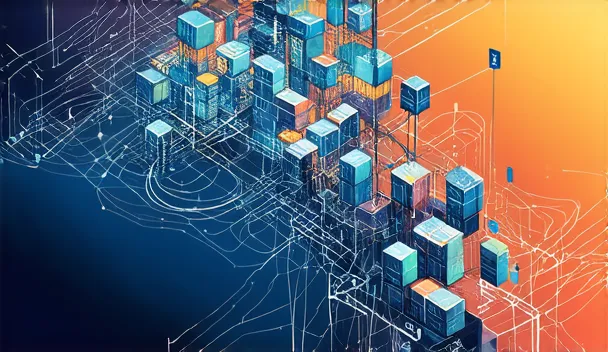
Solana combines proof-of-stake validators and Tower BFT consensus with Proof of History as a verifiable clock for ordering events.
This allows for faster block times, increased transaction throughput, and lower latency compared to traditional proof-of-work (PoW) blockchains.
To put it into perspective, imagine a highway system where each lane represents a parallel processing chain, enabling multiple transactions to be processed simultaneously without congesting the network.
Solana's architecture enables these "lanes" to scale horizontally as more validators are added, making it an attractive platform for NFT development and storage.
Solana Virtual Machine and NFT Development
The Solana Virtual Machine (SVM) is a critical component in the development and deployment of non-fungible tokens (NFTs) on the Solana blockchain. The SVM provides a secure, decentralized environment for executing smart contracts and storing NFT metadata.
By leveraging the SVM's capabilities, developers can design and deploy NFTs with complex logic and functionality, such as conditional ownership transfers or automated royalty payments.
This allows creators to experiment with innovative use cases, like dynamic art pieces that change based on external events or tokenized in-game assets with unique properties.
Data Management Options for NFTs
When it comes to managing NFT data on Solana, developers have several options at their disposal. One key consideration is whether to store NFT metadata on-chain or off-chain.
On-chain storage involves storing NFT metadata directly on the Solana blockchain, ensuring transparency and decentralization but potentially limiting scalability. Off-chain storage, on the other hand, leverages decentralized storage solutions like IPFS (InterPlanetary File System) or Arweave, allowing for greater flexibility and cost-effectiveness while maintaining a link to the on-chain NFT.
Another option is to use a hybrid approach, where only a portion of the metadata is stored on-chain, with the remaining data being referenced off-chain. By choosing the right data management strategy, developers can strike an optimal balance between decentralization, scalability, and cost efficiency.
Overcoming Challenges in NFT Adoption on Solana: Addressing Mainstream Acceptance Hurdles

Addressing Mainstream Demand Concerns
As NFT adoption on Solana continues to grow, addressing mainstream demand concerns is crucial.
One major hurdle is educating users about the value proposition of NFTs beyond just digital art. To overcome this, developers and marketers must work together to create user-friendly interfaces that clearly communicate the benefits of owning unique digital assets.
For instance, platforms like OpenSea have successfully onboarded new users by providing intuitive tools for discovering, buying, and storing NFTs. By streamlining the process and making it more accessible, Solana can tap into a broader market and increase mainstream adoption.
Regulatory Challenges and Compliance Solutions
The burgeoning NFT market on Solana faces regulatory challenges that can hinder mainstream adoption. One major hurdle is the lack of clear guidelines on digital ownership, intellectual property rights, and taxation.
For instance, the EU's proposed Digital Markets Act may impact how NFTs are traded and stored, while the US SEC's stance on NFTs as securities or assets remains unclear.
To overcome these challenges, Solana-based platforms can implement robust compliance solutions, such as partnering with regulatory experts to ensure adherence to existing laws and collaborating with industry leaders to shape future regulations.
This proactive approach will help build trust and foster a more transparent NFT ecosystem.
Overcoming User Experience Barriers
User experience (UX) is a significant barrier to mainstream adoption of NFTs on Solana. Currently, users need to navigate complex blockchain interfaces, manage private keys, and understand technical jargon, which can be overwhelming for those without prior knowledge.
To overcome this hurdle, developers are working on creating more user-friendly interfaces that abstract away the complexity, making it easier for new users to interact with NFTs.
For instance, Solana's Phantom wallet allows users to create a seamless experience by integrating directly with popular browsers like Google Chrome and Mozilla Firefox, similar to how online banking apps simplify transactions.
Regulatory Compliance and Governance in Solana's NFT Ecosystem
Existing Laws and Guidelines
As Solana's NFT ecosystem continues to grow, regulatory compliance and governance become increasingly important.
While the blockchain space is still largely unregulated, existing laws and guidelines provide a framework for understanding what is permissible. For instance, the Financial Crimes Enforcement Network (FinCEN) in the United States has issued guidance on virtual currency transactions, including those involving NFTs.
Similarly, the European Union's 5th Anti-Money Laundering Directive (AMLD5) sets out rules for the regulation of virtual currencies, which may have implications for Solana's NFT market.
By understanding these existing laws and guidelines, developers and collectors can better navigate the regulatory landscape and ensure compliance in this rapidly evolving space.
Compliance Challenges and Solutions
The Solana NFT ecosystem faces unique compliance challenges due to its decentralized nature. As a result, regulatory bodies struggle to keep pace with the rapidly evolving landscape.
One major challenge is ensuring that NFT creators and marketplaces comply with anti-money laundering (AML) and know-your-customer (KYC) regulations.
To address this, some Solana-based platforms are integrating AI-powered solutions that detect suspicious activity and facilitate reporting. Additionally, decentralized identity verification protocols can enable users to prove their identities without compromising anonymity - a crucial aspect of the blockchain ecosystem.
Transparency and Accountability in Solana's NFT Ecosystem
The Solana blockchain prioritizes transparency and accountability in its NFT ecosystem, ensuring that creators, buyers, and collectors can trust the authenticity and ownership of digital assets. Through the use of smart contracts and open-source protocols, Solana provides a tamper-evident record of all transactions, allowing users to track the provenance and ownership history of each NFT.
This level of transparency fosters accountability among market participants, as any attempts to manipulate or forge NFTs can be quickly identified and rectified. For instance, if an artist were to mint an NFT on Solana, the blockchain would record the transaction, making it impossible for them to deny ownership or claim that the work was created by someone else.
The Future of NFTs on Solana: Expanding into Digital Art, Collectibles, Gaming, and Beyond

Democratizing Creativity
The integration of NFTs on Solana is poised to revolutionize the way artists, creators, and collectors interact with digital art.
By providing a decentralized platform for buying, selling, and trading unique digital assets, Solana's blockchain technology democratizes creativity by removing traditional barriers to entry.
Much like how the internet enabled anyone to become a publisher or musician, NFTs on Solana empower artists to mint and sell their work without relying on intermediaries like galleries or auction houses.
This new paradigm unlocks unprecedented opportunities for emerging creators, allowing them to reach global audiences and monetize their digital art in ways previously unimaginable.
Collectibles and Rare Digital Items on Solana
The Solana ecosystem is also witnessing a surge in collectibles and rare digital items, which are essentially unique NFTs that represent ownership of exclusive content. These can range from limited-edition art pieces to unique in-game assets or even rare virtual real estate.
The scarcity and exclusivity of these digital items make them highly sought after by collectors and enthusiasts. For instance, imagine owning a one-of-a-kind digital painting created by a renowned artist, or possessing the only existing NFT of a mythical creature in a popular online game - these are the kinds of unique experiences that Solana's blockchain enables.
NFT Integration in Gaming and Virtual Worlds
The integration of NFTs into gaming and virtual worlds is a burgeoning frontier on Solana. By tokenizing in-game assets, players can now truly own and trade unique digital items, such as rare skins or limited-edition gear.
This not only enhances the gaming experience but also opens up new revenue streams for game developers. For instance, games like Axie Infinity have already successfully implemented NFTs to represent ownership of virtual pets, which can be bred, battled, and traded.
Similarly, Solana's blockchain enables the creation of immersive virtual worlds where players can purchase, sell, and interact with unique digital real estate, such as virtual plots or bespoke experiences.
Conclusion
The role of Non-Fungible Tokens (NFTs) on Solana is rapidly evolving, presenting a new frontier in blockchain technology. As we've explored throughout this post, Solana's ecosystem provides a unique foundation for NFT development and storage, leveraging its high-performance blockchain, scalability foundations, and reduced transaction fees.
We've delved into the fundamentals of NFTs, their applications, and innovative projects within Solana's NFT ecosystem. Benefits such as protecting ownership, preventing counterfeiting, and democratizing creativity have also been highlighted.
Regulatory compliance and governance in Solana's NFT ecosystem are crucial for mainstream acceptance. As we look to the future, it's clear that NFTs on Solana will expand into digital art, collectibles, gaming, and beyond.
With its technical infrastructure and innovative projects, Solana is poised to revolutionize the world of NFTs, offering endless possibilities for creators and collectors alike.