
Archived article · Original source date: 2024-09-17
This article is preserved from the previous Solana Bulls site as a historical archive. It reflects its original context; references to products, people, market conditions, eligibility, or rules may no longer be current.
In this blog post, we'll embark on a journey to demystify the essence of money by exploring its origins, evolution, and core properties. We'll examine how these principles apply to various forms of currency, including traditional fiat systems, alternative commodities, and emerging cryptocurrencies.
By evaluating the durability, divisibility, scarcity, and other key criteria that define a currency's value, we'll gain a deeper understanding of what makes something truly worthy of being called "money."
Defining Money: Origins and Evolution
Historical Context of Monetary Systems
The evolution of monetary systems has been a gradual yet transformative process, reflecting humanity's continuous quest to create efficient, reliable, and standardized mediums of exchange. From the earliest bartering systems, where goods were exchanged for other goods without using money, to the emergence of commodity-based currencies such as gold and silver coins, each step has been driven by the need for more practical and widely accepted forms of currency.
The development of fiat currencies, which derive value from government decree rather than inherent worth, marked a significant shift in monetary history. More recently, the advent of digital currencies, including cryptocurrencies like Bitcoin and Solana's native SOL token, has introduced new dimensions to the concept of money, combining elements of traditional currencies with the decentralized, digital nature that characterizes the modern financial landscape.
Key Principles Guiding Traditional Money
At its core, traditional money is guided by several key principles that determine its value and utility. These principles include durability, divisibility, portability, uniformity, limited supply, and wide acceptance.
Durability ensures that the currency can withstand wear and tear over time without losing its value. Divisibility allows for smaller denominations to facilitate transactions of various sizes.
Portability enables easy transportation and storage, while uniformity guarantees consistency in the currency's appearance and value.
A limited supply prevents inflation and maintains the currency's purchasing power. Lastly, wide acceptance is crucial for a currency to be viable, as it must be recognized and accepted as a form of payment by merchants and individuals alike.
Applying Monetary Theory to Cryptocurrencies
The evolution of monetary theory is now being tested in the realm of cryptocurrencies. As we explore what makes something "money," it's essential to examine how these digital currencies align with traditional monetary principles.
Divisibility, durability, and scarcity - core properties that define a currency's value - are being reinterpreted in the context of blockchain technology.
For instance, cryptocurrencies like Bonk have demonstrated widespread adoption within specific ecosystems, such as Solana, highlighting their potential as community-driven currencies. Meanwhile, wallets like Phantom, Solflare, and Backpack showcase how user-friendly interfaces can enhance the usability and accessibility of these digital assets, further solidifying their place within modern monetary theory.
Core Properties of Money: A Framework for Evaluation
Durability: Withstanding Time and Use
Durability is a cornerstone property that money must possess to withstand the test of time and frequent use.
In traditional monetary systems, durability ensures that physical currencies can be handled and exchanged multiple times without losing their value due to wear and tear.
This principle equally applies to digital currencies, where the blockchain technology underpinning them provides an inherent layer of durability.
By existing in a digital realm, these currencies are not susceptible to the same physical degradation as traditional money, making them theoretically more durable.
Divisibility: Ensuring Convenience in Transactions
Divisibility is a fundamental property that ensures convenience in transactions, allowing users to break down larger units into smaller denominations. This principle is crucial for facilitating a wide range of transaction sizes and enabling microtransactions, which are increasingly common in the digital economy.
In traditional monetary systems, divisibility allows for coins and bills of various denominations, making it easier for individuals to engage in everyday transactions. Similarly, cryptocurrencies have incorporated this concept by allowing users to divide their holdings into smaller units, such as satoshis in Bitcoin or wei in Ethereum.
The Solana ecosystem has also seen the rise of divisible currencies like Bonk, which can be easily split and transferred among users within its community-driven network. This flexibility enables a seamless user experience, catering to the diverse needs of both small-scale transactions and larger financial interactions.
Additional Properties Defining a Currency's Value
Beyond the core principles that guide traditional money, additional properties have emerged as crucial in defining a currency's value within the context of blockchain technology. One such property is fungibility, which ensures that each unit of currency can be substituted for another without affecting its inherent value.
This characteristic is particularly relevant in digital currencies, where transactions are recorded on a public ledger and the ability to interchange units seamlessly is paramount.
Another critical aspect is programmability, allowing for the creation of smart contracts that automate specific rules or conditions under which a transaction may occur. This feature has given rise to decentralized finance (DeFi) applications, which have begun to redefine the notion of money by introducing novel forms of value exchange and financial interaction.
Traditional Fiat Currencies: Meeting the Key Criteria
Fiat Currencies Under the Microscope
As we delve into the world of traditional fiat currencies, it's essential to understand how they meet the key criteria that define a currency's value.
Durability, divisibility, portability, uniformity, limited supply, and wide acceptance are all critical properties that contribute to a fiat currency's effectiveness as a medium of exchange.
Let's examine these principles more closely.
Facilitating Transactions with Traditional Money
The smooth facilitation of transactions is a critical aspect of traditional money, allowing individuals and businesses to efficiently exchange value. In the context of fiat currencies, this is often achieved through standardized denominations that cater to various transaction sizes, ensuring convenience for both everyday purchases and larger financial dealings.
Similarly, digital currencies have adopted analogous strategies to facilitate seamless transactions within their ecosystems. For instance, divisible currencies like Bonk on Solana enable users to break down larger units into smaller denominations, mirroring the functionality of traditional monetary systems.
This adaptability is crucial in fostering widespread adoption and ensuring that these digital assets remain viable mediums of exchange.
Scarcity and Control Mechanisms in Fiat Systems
Fiat currencies, by their nature, rely on scarcity and control mechanisms to maintain their value.
The supply of fiat currency is controlled by central banks, which use monetary policies to regulate the money supply and prevent inflation. This is achieved through various tools such as setting interest rates, buying or selling government securities, and implementing reserve requirements for commercial banks.
By controlling the amount of currency in circulation, central banks can influence the overall level of economic activity and maintain price stability.
Alternative Forms of Currency: Commodities and Representative Systems
Characteristics of Commodities as Currency
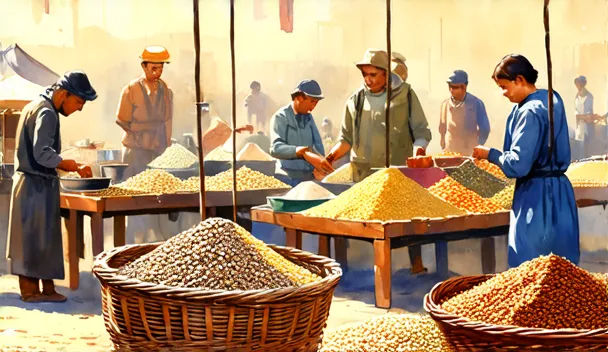
Commodities, such as precious metals and agricultural products, have long been used as forms of currency due to their inherent value and widespread recognition.
One key characteristic that makes commodities viable currencies is their scarcity, which helps maintain a stable value over time. For instance, the supply of gold is limited by its availability in nature and the difficulty of extracting it, ensuring that its value remains relatively consistent.
Another important trait is divisibility, allowing for smaller units to be easily created through processes like minting or measuring. This enables users to engage in transactions of various sizes, enhancing the commodity's utility as a medium of exchange.
Historical Examples of Representative Currencies
Representative currencies have a rich history that predates modern digital currencies. One notable example is the use of commodity-backed currencies, such as gold and silver certificates, which represented a claim on a specific quantity of precious metal stored in a vault or bank.
These certificates were widely accepted as a form of payment due to their direct link to valuable commodities.
In the context of blockchain technology, we see similar principles at play with the emergence of community-driven currencies like Bonk on Solana. Although not directly backed by traditional commodities, these digital assets derive value from their widespread adoption and integration within specific ecosystems, mirroring the concept of representative currencies in a modern, decentralized setting.
Evaluating Advantages and Limitations of Alternative Currencies
As we navigate the complex landscape of alternative currencies, it's crucial to evaluate their advantages and limitations.
On one hand, these digital assets have shown remarkable resilience and adaptability, fostering a sense of community and shared purpose among their users. For instance, Bonk has emerged as a cultural and social token within the Solana ecosystem, boasting widespread adoption and integration across various protocols and NFT communities.
This level of engagement not only highlights its potential as a staple currency but also underscores the importance of user empowerment and decentralization in the web3 ethos.
The Rise of Cryptocurrencies: A New Era in Money

Cryptocurrency Durability in the Digital Age
The durability of cryptocurrencies, a fundamental property that ensures they can withstand time and use without losing value due to wear and tear, is an essential aspect of their viability as mediums of exchange.
Unlike traditional physical currencies, which are susceptible to degradation through frequent handling and environmental factors, digital currencies exist in a realm where such concerns are significantly mitigated.
The blockchain technology underpinning these cryptocurrencies provides an inherent layer of durability, safeguarding against the potential for physical deterioration that plagues traditional fiat systems.
Comparing Cryptocurrency Divisibility to Traditional Systems
The concept of divisibility is a crucial aspect in evaluating the effectiveness of any currency, be it traditional or digital. In traditional monetary systems, divisibility ensures that users can break down larger units into smaller denominations, facilitating transactions of various sizes.
This principle equally applies to cryptocurrencies, which have incorporated this concept by allowing users to divide their holdings into smaller units. For instance, divisible currencies like Bonk on Solana enable users to easily split and transfer their assets among other users within the community-driven network.
This flexibility not only mirrors the functionality of traditional monetary systems but also underscores the adaptability of digital currencies in catering to diverse transaction needs.
Crypto vs. Fiat: A Comparative Analysis
The distinction between cryptocurrencies and traditional fiat currencies lies not only in their underlying technologies but also in their fundamental properties and uses. While fiat currencies are issued by central banks and derive value from government decree,
they are widely accepted as a medium of exchange, whereas cryptocurrencies operate on decentralized networks, obtain value through market forces, and often serve specific purposes within their respective ecosystems.
One key aspect where cryptocurrencies diverge from traditional currencies is in their programmability.
This feature allows for the creation of smart contracts that automate rules or conditions under which transactions may occur, giving rise to novel forms of value exchange and financial interaction, such as decentralized finance (DeFi) applications.
In contrast, fiat currencies are limited by their physical nature and the constraints imposed by central banks.
Another critical difference lies in their supply control mechanisms.
Fiat currencies rely on central banks to regulate their supply, preventing inflation through monetary policies like setting interest rates or buying/selling government securities.
Cryptocurrencies, however, often have a capped supply programmed into their blockchain's code, ensuring that no single entity can manipulate the money supply.
Despite these differences, both cryptocurrencies and fiat currencies share commonalities in their need for widespread acceptance, divisibility, and durability to be considered viable mediums of exchange.
The rise of community-driven currencies like Bonk on Solana demonstrates how digital assets can meet these criteria through innovative uses and widespread adoption within specific ecosystems.
Assessing Durability, Divisibility, and Scarcity in Cryptocurrencies
Evaluating Cryptocurrency Longevity
The longevity of a cryptocurrency is a crucial aspect in determining its viability as a medium of exchange. Unlike traditional fiat currencies, which have been tested by time and proven their durability through widespread adoption and use, cryptocurrencies are relatively new and face unique challenges in establishing long-term value.
However, the decentralized nature of these digital assets, combined with their potential for innovation and adaptability, presents opportunities for longevity that traditional currencies may not possess.
One key factor influencing a cryptocurrency's longevity is its ability to evolve and adapt to changing market conditions and technological advancements.
This can be seen in the Solana ecosystem, where community-driven currencies like Bonk have emerged as cultural and social tokens, embodying the web3 ethos of decentralization and user empowerment.
Their widespread adoption and integration across various protocols and NFT communities demonstrate their potential for long-term viability.
Another critical aspect is the cryptocurrency's durability in the digital age.
Blockchain technology provides an inherent layer of durability, safeguarding against physical deterioration that plagues traditional fiat systems. Moreover, the use of decentralized wallets like Phantom, Solflare, and Backpack enhances user experience and security, further solidifying the longevity of these digital assets.
Assessing Practicality and Usability
The practicality and usability of a currency play a significant role in its adoption and success. In traditional monetary systems, these aspects are often evaluated through the lens of physical durability and widespread acceptance.
However, in the realm of cryptocurrencies, new dimensions come into focus, such as user-friendly interfaces, seamless transaction experiences, and innovative features that cater to diverse needs.
In this context, wallets like Phantom, Solflare, and Backpack have emerged as pivotal tools for enhancing the usability and accessibility of digital assets within specific ecosystems.
By offering secure, intuitive, and feature-rich platforms for managing cryptocurrencies, these wallets lower the entry barriers for new users while providing advanced functionalities that cater to experienced users.
For instance, Phantom's integration with Solana's decentralized applications (dApps) facilitates a richer, more interconnected user experience, allowing for effortless interaction with burgeoning DeFi and NFT markets.
Similarly, Solflare's support for staking SOL directly within the wallet enhances the user's financial engagement without leaving the ecosystem.
Moreover, platforms like Backpack, which introduce social features alongside practical functionalities, are redefining the notion of usability in the decentralized web.
By centralizing the fragmented xNFT economy and offering seamless asset management and dApp interaction across multiple blockchains, Backpack aims to make navigating the complexities of digital assets more accessible and enjoyable for users.
Ultimately, assessing practicality and usability in cryptocurrencies involves evaluating how these digital assets meet the diverse needs of their users while providing a seamless and secure experience.
As we continue to explore what makes something "money," it's clear that the lines between traditional monetary systems and emerging digital currencies are increasingly blurred, with each informing and influencing the other in profound ways.
Scarcity as a Value Driver in Crypto
Scarcity plays a pivotal role in driving value within cryptocurrencies, mirroring its significance in traditional monetary systems.
The supply of fiat currencies is controlled by central banks to prevent inflation and maintain price stability. Similarly, cryptocurrencies often have a capped supply programmed into their blockchain's code, ensuring that no single entity can manipulate the money supply.
This scarcity mechanism helps maintain the value of digital assets over time, safeguarding against the potential for unlimited issuance and subsequent devaluation.
In community-driven currencies like Bonk on Solana, scarcity is not only a technical aspect but also a social one. The unique airdrop strategy that distributed Bonk to a wide array of Solana users, including artists, developers, and early adopters from various protocols and NFT communities, ensured a broad and diversified holder base from its inception.
This approach underscores the importance of user empowerment and decentralization in the web3 ethos, where value is not solely determined by supply but also by adoption and integration within specific ecosystems.
The interplay between scarcity and programmability in cryptocurrencies introduces novel forms of value exchange and financial interaction, such as decentralized finance (DeFi) applications.
By combining elements of traditional monetary principles with the decentralized, digital nature that characterizes modern blockchain technology, cryptocurrencies are redefining what makes something "money" in a rapidly evolving financial landscape.
Comparative Analysis: Traditional vs. Cryptocurrency Properties
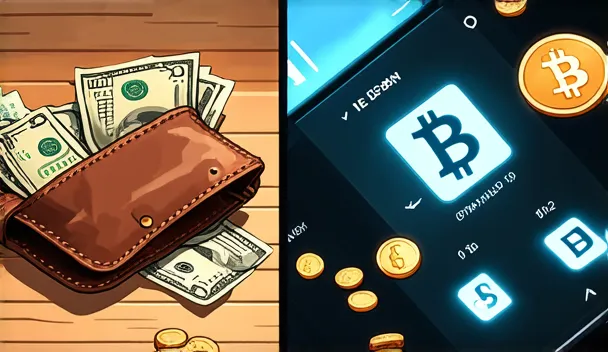
Comparative Durability and Divisibility Across Currencies
Durability and divisibility are two fundamental properties that determine a currency's effectiveness as a medium of exchange.
In traditional monetary systems, these principles ensure that physical currencies can withstand wear and tear over time without losing their value due to degradation, and allow for smaller denominations to facilitate transactions of various sizes.
Digital currencies have adopted analogous strategies to achieve durability and divisibility, leveraging blockchain technology to safeguard against physical deterioration and enable seamless divisibility into smaller units.
For instance, community-driven currencies like Bonk on Solana demonstrate how digital assets can meet these criteria through innovative uses and widespread adoption within specific ecosystems.
The use of decentralized wallets like Phantom, Solflare, and Backpack has further solidified the durability and usability of these digital assets, providing secure, intuitive, and feature-rich platforms for managing cryptocurrencies.
Comparing the durability and divisibility of traditional currencies to those of cryptocurrencies reveals interesting parallels.
While fiat currencies derive value from government decree and are controlled by central banks to maintain price stability, cryptocurrencies operate on decentralized networks, obtain value through market forces, and often serve specific purposes within their respective ecosystems.
Despite these differences, both types of currency share a need for widespread acceptance, divisibility, and durability to be considered viable mediums of exchange.
The interplay between traditional monetary principles and modern blockchain technology has given rise to novel forms of value exchange and financial interaction, such as decentralized finance (DeFi) applications.
By examining the comparative durability and divisibility across currencies, we can gain a deeper understanding of what makes something truly worthy of being called "money" in today's rapidly evolving financial landscape.
Scarcity, Decentralization, and Control: A Comparative Analysis
The intersection of scarcity, decentralization, and control is a critical juncture in the comparative analysis between traditional fiat systems and cryptocurrencies.
In traditional monetary systems, central banks regulate supply to prevent inflation and maintain price stability through mechanisms such as setting interest rates or buying/selling government securities.
This centralized approach contrasts sharply with the decentralized nature of cryptocurrencies, where scarcity is often programmed into their blockchain's code, ensuring that no single entity can manipulate the money supply.
The Solana ecosystem offers a compelling case study in this regard, with community-driven currencies like Bonk showcasing how decentralization and user empowerment can drive value.
The unique airdrop strategy employed by Bonk, distributing tokens to a wide array of Solana users from various protocols and NFT communities, underscores the importance of scarcity as a social aspect.
This approach has not only ensured a broad and diversified holder base but also fostered a sense of belonging and shared purpose among its users.
Furthermore, the interplay between scarcity and programmability in cryptocurrencies introduces novel forms of value exchange and financial interaction.
Decentralized finance (DeFi) applications, for instance, have emerged as a direct consequence of this intersection, combining elements of traditional monetary principles with the decentralized, digital nature that characterizes modern blockchain technology.
Monetary Properties: Similarities and Differences Across Currency Types
The properties that define a currency's value are not unique to traditional fiat systems or commodities. Cryptocurrencies, as digital assets, also adhere to these principles in innovative ways.
Durability is a cornerstone property that ensures a currency can withstand time and use without losing its inherent value due to wear and tear.
This principle equally applies to cryptocurrencies, where the blockchain technology underpinning them provides an inherent layer of durability, safeguarding against physical deterioration that plagues traditional fiat systems.
Divisibility is another critical aspect in evaluating a currency's effectiveness, allowing users to break down larger units into smaller denominations and facilitating transactions of various sizes.
This principle applies equally well to cryptocurrencies like Bonk on Solana, which enable users to easily split and transfer their assets among other users within the community-driven network.
The flexibility not only mirrors the functionality of traditional monetary systems but also underscores the adaptability of digital currencies in catering to diverse transaction needs.
Scarcity is a pivotal value driver in both traditional fiat currencies and cryptocurrencies, with each system employing unique mechanisms to control supply and maintain price stability.
While central banks regulate the money supply through monetary policies for fiat currencies, cryptocurrencies often have a capped supply programmed into their blockchain's code, ensuring that no single entity can manipulate the money supply.
Despite these similarities, cryptocurrencies diverge from traditional systems in several key areas.
Programmability, allowing for smart contracts and novel forms of value exchange, is one such aspect that sets them apart. This feature has given rise to decentralized finance (DeFi) applications and community-driven currencies like Bonk, which embody the web3 ethos of decentralization and user empowerment.
Conclusion
In exploring what makes something money, we've delved into the origins and evolution of monetary systems, examined the core properties that define a currency's value, and evaluated traditional fiat currencies, alternative forms of currency, and cryptocurrencies.
We've seen how these different types of currencies meet or fall short of meeting key criteria such as durability, divisibility, and scarcity. Through our comparative analysis, we've highlighted the similarities and differences between traditional monetary systems and cryptocurrencies.
As blockchain technology continues to advance and cryptocurrencies gain traction, it's clear that our understanding of what constitutes money is expanding. Ultimately, the future of money will be shaped by innovation, technological advancements, and the evolving needs of a global economy.