

Archived article · Original source date: 2024-09-03
This article is preserved from the previous Solana Bulls site as a historical archive. It reflects its original context; references to products, people, market conditions, eligibility, or rules may no longer be current.
Editorial note: This article is educational and is not financial, investment, legal, or tax advice. Products, protocols, yields, fees, liquidity, regulations, and tax treatment can change; verify current primary sources and evaluate the specific risks before acting.
As we increasingly rely on digital platforms for information sharing, the emergence of blockchain technology presents an unprecedented opportunity to redefine how we create, verify, and disseminate knowledge, giving rise to a new paradigm in decentralized information management: Web3 Encyclopedias.
Unlocking Decentralized Knowledge: The Rise of Web3 Encyclopedias
The Emergence of Blockchain-Based Knowledge Sharing
The advent of blockchain technology has revolutionized various aspects of our digital lives, and knowledge sharing is no exception.
By leveraging blockchain's inherent decentralization and transparency, Web3 encyclopedias are poised to redefine the way we create, disseminate, and verify information.
This shift from traditional, centralized models to decentralized platforms enables a more open, collaborative, and secure environment for knowledge sharing.
A New Paradigm in Decentralized Information Platforms
The advent of Web3 Encyclopedias represents a significant shift towards decentralized information management, leveraging blockchain technology to create platforms that are inherently more transparent, secure, and community-driven.
This new paradigm is built on the principles of decentralization, where knowledge is no longer controlled by single entities but is instead collectively curated and verified by a network of contributors.
By harnessing the power of blockchain, Web3 Encyclopedias can ensure data integrity, prevent censorship, and promote collaboration among users, ultimately giving rise to a more democratized and dynamic information ecosystem.
Distinguishing Features of Web3 Encyclopedias
A key characteristic of Web3 encyclopedias is their decentralized nature, which ensures that knowledge is not controlled by a single entity.
This is achieved through the use of blockchain technology, allowing for transparent and tamper-evident content management.
Furthermore, Web3 encyclopedias often incorporate community-driven verification processes, where contributions are reviewed and validated by a network of peers rather than relying on a centralized authority.
This approach enables a more democratic and inclusive knowledge creation process, reflecting the diverse perspectives and expertise within the community.
Blockchain Foundations: Enabling Secure and Transparent Knowledge Sharing
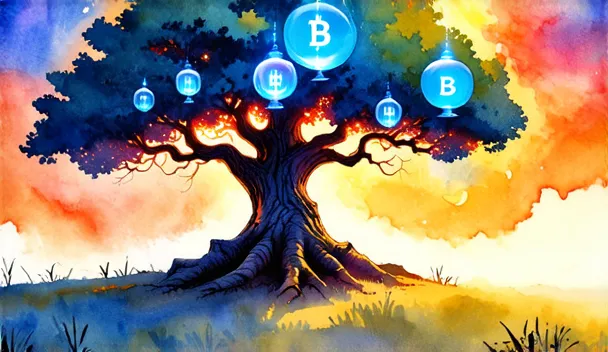
Blockchain as a Prerequisite for Decentralized Knowledge Management
The backbone of Web3 encyclopedias is blockchain technology, which serves as the foundational layer for decentralized knowledge management. By leveraging blockchain's inherent properties - decentralization, transparency, and security - these platforms can ensure that information is not only freely accessible but also verifiable and tamper-evident.
This decentralized approach to knowledge sharing enables a more open and collaborative environment where contributors from around the world can participate in creating, verifying, and disseminating information without relying on centralized authorities for validation or control.
Enabling Secure and Transparent Information Verification on Web3 Platforms
The core benefit of blockchain technology in the context of Web3 encyclopedias is its inherent ability to enable secure and transparent information verification. This is achieved through a decentralized network of nodes that collectively validate and update information, ensuring data integrity and preventing tampering or censorship.
For instance, platforms like Shadow Drive, which utilizes the Solana blockchain for decentralized object storage, can ensure that data is not only stored securely but also verified in real-time by a network of contributors.
This level of transparency and security fosters trust within the community, as all changes are openly recorded on the blockchain and subject to verification by peers rather than relying on centralized authorities.
The Role of Blockchain in Ensuring Data Integrity
At its core, blockchain technology plays a pivotal role in ensuring data integrity within Web3 encyclopedias by leveraging its decentralized and transparent nature.
By utilizing blockchain, these platforms can safeguard against tampering, censorship, and manipulation of knowledge. Blockchain records are designed to be tamper-evident: changing sufficiently confirmed history generally requires overcoming the network's consensus assumptions. Forks, upgrades, administrator keys, application bugs, off-chain records, and the chosen commitment level remain separate risks, so immutability should not be described as absolute.
This inherent transparency and accountability foster trust among contributors and users alike, ensuring that the knowledge shared within these platforms remains accurate, reliable, and secure.
Key Features and Benefits of Decentralized Knowledge Platforms

Decentralized Storage Solutions for Enhanced Security
One of the critical aspects of Web3 encyclopedias is their ability to leverage decentralized storage solutions, ensuring that knowledge is not only freely accessible but also securely stored and verified.
Shadow Drive provides decentralized object-storage infrastructure, but storage distribution does not by itself establish encryption, confidentiality, integrity, availability, data sovereignty, or legal compliance. Verify its current replication, payment, access, encryption, deletion, and recovery model for the specific application.
Community-Driven Content Creation and Verification Mechanisms
The essence of Web3 encyclopedias lies in their ability to foster a community-driven approach to knowledge creation and verification. This is particularly evident in the way these platforms encourage collaborative content development, where contributors from diverse backgrounds and expertise come together to share insights and validate information.
By leveraging blockchain technology, Web3 encyclopedias can ensure that this process remains transparent, tamper-evident, and open to scrutiny by the community.
This setup facilitates an environment where community members can engage in collaborative content creation and validation, further solidifying the community-driven nature of Web3 encyclopedias.
Incentivizing Knowledge Sharing through Blockchain-Based Rewards
The integration of blockchain technology in Web3 encyclopedias not only enables secure and transparent knowledge sharing but also introduces a novel mechanism for incentivizing contributions. By leveraging blockchain-based rewards, these platforms can motivate individuals to participate actively in the creation, verification, and dissemination of knowledge.
For instance, contributors who provide high-quality content or engage in thorough peer review processes can be rewarded with native tokens or other digital assets, fostering a sense of community ownership and encouraging collaborative efforts. This incentive structure promotes a culture of open collaboration, where individuals are not only driven by the desire to share knowledge but also by the potential for tangible rewards that acknowledge their contributions.
The Limitations of Traditional Knowledge Models and the Web3 Solution

The Shortcomings of Traditional Encyclopedias
Traditional knowledge models have long been plagued by inherent shortcomings, limiting their effectiveness in the digital age. Centralized control and management often lead to biased or inaccurate information, as the power to edit and censor content rests with a single entity.
Moreover, these traditional platforms lack transparency, making it difficult for users to verify the authenticity of information. This centralized approach also hinders collaboration among contributors, resulting in a static and outdated knowledge base that fails to keep pace with the rapid evolution of human understanding.
Lack of Transparency and Verifiability in Conventional Models
Traditional knowledge models have long been plagued by a lack of transparency and verifiability, hindering the free flow of information and collaboration among stakeholders. This limitation stems from centralized control over data, where single entities dictate what is deemed true or relevant, often without providing clear evidence or peer review processes to support their claims.
As a result, conventional models can become siloed and opaque, making it difficult for users to verify the accuracy of the information they consume.
Decentralization as a Solution to Limitations in Knowledge Sharing
The advent of blockchain technology has illuminated a pathway towards resolving the inherent limitations within traditional knowledge sharing models. By embracing decentralization, Web3 encyclopedias can transcend the constraints imposed by centralized authorities and foster an environment where information is freely accessible, verifiable, and tamper-evident.
Decentralized platforms empower contributors to participate in the creation, verification, and dissemination of knowledge without relying on intermediaries for validation or control. This paradigm shift enables a more open, collaborative, and secure ecosystem, where data integrity is safeguarded through blockchain's inherent properties - decentralization, transparency, and security.
As a result, Web3 encyclopedias can ensure that knowledge sharing is not only democratized but also protected from censorship and manipulation, ultimately giving rise to a more trustworthy and dynamic information landscape.
Security, Transparency, and Accountability in Web3 Encyclopedia Ecosystems

Enhanced Security through Decentralized Data Storage Solutions
The decentralized nature of Web3 encyclopedias also extends to data storage, significantly enhancing security and transparency.
By leveraging blockchain technology, these platforms can ensure that knowledge is not only freely accessible but also securely stored and verified. Decentralized data storage solutions, such as those provided by Shadow Drive on the Solana blockchain, offer a compelling example of how this can be achieved.
This approach enables fast, reliable, and transparent object storage, meeting the growing demands for data sovereignty and security in the digital age.
Transparent Content Creation and Verification Processes
The decentralized nature of Web3 encyclopedias enables transparent content creation and verification processes, allowing contributors to participate in the development and validation of knowledge without relying on centralized authorities.
By utilizing decentralized object storage solutions, these platforms can safeguard against censorship and manipulation, fostering an environment where data integrity is paramount.
Accountability Mechanisms for Web3 Encyclopedias
Web3 encyclopedias are built on the principles of decentralization and transparency, which inherently promote accountability within these ecosystems. One of the key mechanisms that facilitate this accountability is the use of blockchain technology to record all changes and updates made to the platform's content.
This creates an immutable and transparent history of all interactions, allowing users to track the evolution of information over time and verify its authenticity.
Furthermore, community-driven verification processes play a crucial role in ensuring the accuracy and reliability of contributed knowledge. By empowering a network of peers to review and validate content, Web3 encyclopedias can prevent the dissemination of misinformation and promote a culture of trust and collaboration among contributors.
Unlocking Future Potential: Applications and Developments in Web3 Encyclopedias

Democratizing Information through Web3 Encyclopedias
The advent of Web3 encyclopedias marks a significant shift in how we perceive and interact with information. By leveraging blockchain technology, these decentralized platforms empower individuals to contribute, verify, and disseminate knowledge without relying on centralized authorities for validation or control.
This democratization of information has the potential to redefine the way we approach knowledge sharing, fostering an environment where diverse perspectives and expertise can come together to create a more comprehensive and dynamic understanding of the world.
Ensuring Accuracy and Integrity in Decentralized Knowledge Ecosystems
The decentralized nature of Web3 encyclopedias demands innovative solutions to ensure the accuracy and integrity of the knowledge shared within these ecosystems. One approach is through the integration of community-driven verification processes, where contributors from diverse backgrounds and expertise come together to review and validate information.
This collective effort ensures that knowledge is not only accurate but also reliable and trustworthy. Additionally, blockchain technology plays a pivotal role in safeguarding against tampering or censorship by recording all changes and updates on a public ledger, making it possible for users to track the evolution of information over time and verify its authenticity.
Fostering Community Engagement and Co-Creation of Knowledge Resources
The decentralized nature of Web3 encyclopedias also fosters community engagement and co-creation of knowledge resources, enabling a collaborative approach to information development and verification. This is particularly evident in platforms that utilize blockchain technology to ensure transparent content creation processes.
Moreover, the use of blockchain-based rewards incentivizes contributors to participate actively in the development and verification of knowledge, promoting a sense of community ownership and encouraging collaborative efforts.
Conclusion
In this exploration of Web3 encyclopedias, we have delved into the transformative potential of blockchain technology in knowledge sharing and management. By leveraging decentralized networks, these platforms enable secure, transparent, and community-driven creation and verification of knowledge resources.
We've examined the limitations of traditional models and how Web3 solutions address issues such as data integrity, accountability, and incentivization. Key features of Web3 encyclopedias include decentralized storage solutions, community-driven content creation, and blockchain-based rewards.
As we look to the future, it's clear that these platforms have the potential to democratize information and foster a new era of collaborative knowledge creation. With their emphasis on accuracy, integrity, and transparency, Web3 encyclopedias are poised to revolutionize the way we share and access knowledge.