
Archived article · Original source date: 2024-08-15
This article is preserved from the previous Solana Bulls site as a historical archive. It reflects its original context; references to products, people, market conditions, eligibility, or rules may no longer be current.
Editorial note: This article is educational and is not financial, investment, legal, or tax advice. Products, protocols, yields, fees, liquidity, regulations, and tax treatment can change; verify current primary sources and evaluate the specific risks before acting.
The Solana blockchain has been gaining traction as a hub for decentralized finance (DeFi) applications, with its fast transaction times and low fees making it an attractive platform for developers and traders alike.
As the ecosystem continues to grow, one feature that has garnered significant attention is the token swap, a mechanism that enables seamless exchanges between different cryptocurrencies on the Solana network.
Defining Token Swaps: Benefits, Types, and Fundamentals
Token Swap Definition and Purpose
A token swap is a process that allows users to exchange one cryptocurrency or token for another, often on a different blockchain network. Think of it like exchanging dollars for euros at a foreign airport - you're swapping one currency for another to access new opportunities.
In the context of Solana, token swaps enable seamless interactions between various decentralized applications (dApps) and protocols, fostering a more interconnected and dynamic ecosystem.
By facilitating these exchanges, token swaps play a vital role in promoting liquidity, flexibility, and innovation within the Solana network.
Key Benefits for the Solana Ecosystem
A token swap on Solana offers numerous benefits to its ecosystem. One key advantage is increased liquidity, as it enables users to easily exchange their tokens for other assets without the need for intermediaries, thereby reducing friction and increasing market efficiency.
Additionally, token swaps promote a more diverse and inclusive environment by allowing projects to collaborate and integrate with one another seamlessly. This, in turn, fosters innovation and drives growth within the Solana ecosystem.
Think of it as a 'tokenized bartering system' where different projects can trade value with each other, creating a robust and interconnected network of assets that can be leveraged to build new applications and services.
Types of Token Swaps Available
Token swaps can be categorized into several types, each with its unique characteristics and advantages.
One common type is the direct token swap, where two parties directly exchange one token for another without any intermediaries. This method is often used in peer-to-peer transactions and is beneficial for its simplicity and efficiency.
Another type is the indirect token swap, which involves a third-party intermediary that facilitates the exchange. This method provides an additional layer of security but may incur higher fees.
Additionally, some platforms offer atomic swaps, allowing multiple parties to participate in a single transaction, ensuring a smooth and secure swapping process.
Technical Breakdown of Solana's Token Swap Mechanics
Dissecting the Technical Components of Token Swaps
Token swaps on Solana involve a series of intricate technical processes. At its core, a token swap is a smart contract that facilitates the exchange of one token for another, often with the goal of upgrading or migrating to a new token standard.
This process relies on several key components, including the use of wrapped tokens, which are essentially "IOU" notes representing the original asset. These wrapped tokens are then redeemed for the new token, ensuring a seamless transition.
The Solana blockchain's programmable architecture allows developers to design and deploy custom token swap logic, making it possible to tailor the process to specific project requirements.
A Step-by-Step Guide to the Process
The Solana token swap process can be broken down into several key steps.
Firstly, a user initiates a request to swap their tokens by interacting with a decentralized application (dApp) built on Solana's blockchain. This dApp serves as an intermediary, facilitating communication between the user and the Solana network.
The user then specifies the type and quantity of tokens they wish to swap, which is subsequently verified by the dApp. Once verified, the request is transmitted to a Solana validator node, where it is confirmed and processed via a complex algorithm.
Proof of History orders events; validators execute transactions, verify state transitions, and vote on forks through proof-of-stake consensus and Tower BFT.
Enabling Smooth Token Exchanges on Solana
The token swap mechanism on Solana is designed to facilitate seamless exchanges between different tokens. This process relies on a decentralized, trustless environment where users can engage in peer-to-peer transactions without intermediaries.
To illustrate this concept, imagine a high-speed toll road where vehicles (tokens) can change lanes (swap tokens) efficiently without stopping at toll booths (intermediaries).
Solana's token swap mechanics use a combination of smart contracts and the Solana Program Library to enable these smooth exchanges. When a user initiates a swap, the protocol automatically searches for the best available price across various liquidity sources, ensuring that users get the most favorable rates.
The Role of Liquidity Providers in Token Swaps: Responsibilities and Incentives

Responsibilities and Expectations for Liquidity Providers
Liquidity providers play a vital role in facilitating token swaps on Solana by supplying assets to the liquidity pool. Their primary responsibility is to maintain a balanced ratio of tokens in the pool, ensuring that the swap can occur smoothly.
This involves actively monitoring the pool's composition and adjusting their contributions accordingly. In return for their efforts, liquidity providers receive a portion of the fees generated by token swaps, incentivizing them to participate and help maintain the pool's health.
Think of it like a mutually beneficial partnership - liquidity providers supply the assets, and the swap platform provides the infrastructure for trades to occur efficiently.
Contribution to Successful Token Swaps
Liquidity providers play a pivotal role in ensuring successful token swaps on Solana by providing the necessary liquidity to facilitate smooth transactions.
Their contribution can be likened to that of a well-stocked store, where customers (token holders) can easily exchange their tokens for other assets without experiencing significant price slippage or delays.
By contributing their assets to the pool, liquidity providers help maintain a healthy market depth, enabling token swaps to occur efficiently and effectively.
Rewards and Incentives for Participation
Liquidity providers play a crucial role in token swaps on Solana, as they supply the necessary assets to facilitate trades.
To incentivize participation, liquidity pools offer rewards in the form of trading fees and token distributions. Think of it like a vending machine: just as a vending machine operator earns money from each sale, liquidity providers earn a portion of the transaction fees generated by their pooled assets.
Additionally, some token swap projects distribute a percentage of newly minted tokens to liquidity providers as an added incentive. This reward mechanism encourages participation and helps maintain a healthy, liquid market for token swaps.
Executing Token Swaps on Solana: Popular Platforms and Tools

Utilizing Decentralized Platforms for Secure Token Swaps
To execute token swaps on Solana, users can leverage decentralized platforms designed to facilitate secure and efficient transactions. These platforms utilize smart contracts to automate the swapping process, eliminating the need for intermediaries and reducing the risk of counterparty failure.
Examples of popular decentralized platforms for token swaps on Solana include Orca, Jupiter, and Raydium. These platforms operate similarly to traditional exchanges but with a decentralized twist, allowing users to maintain control over their assets throughout the swap process.
By utilizing these platforms, users can enjoy faster settlement times, lower fees, and increased security compared to traditional centralized exchanges.
Automated Market Making for Efficient Swaps
For efficient token swaps on Solana, automated market making (AMM) plays a crucial role. AMMs are decentralized exchanges that utilize algorithms to create and manage liquidity pools, enabling users to trade assets at fair prices.
By leveraging these platforms, traders can execute token swaps quickly and securely, without relying on traditional order book models. Popular AMM platforms like Orca, Meteora, and Raydium enable seamless interactions between buyers and sellers, minimizing slippage and maximizing efficiency in the swapping process.
This automated approach streamlines token swaps on Solana, making it easier for users to navigate complex market dynamics.
Notable Tools like Crabada for Enhanced Security
When executing token swaps on Solana, utilizing notable tools like Crabada can significantly enhance security. These platforms provide users with a secure and reliable environment to perform complex transactions, minimizing the risk of errors or exploitation by malicious actors.
Similar to how a trusted financial advisor might help an investor navigate the stock market, Crabada empowers Solana users to make informed decisions when swapping tokens, thereby safeguarding their digital assets.
Navigating Risks and Security Concerns in Solana's Token Swaps

Identifying and Managing Risks in Solana's Token Swaps
As with any complex financial transaction, navigating token swaps on Solana comes with inherent risks. It's essential to acknowledge these risks and take proactive steps to manage them effectively.
Imagine investing in a high-growth stock; the potential for returns is substantial, but so is the risk of losses if the market dips. Similarly, token swaps can expose users to smart contract vulnerabilities, liquidity risks, and regulatory uncertainties.
To mitigate these risks, it's crucial to conduct thorough research on the involved tokens, their respective communities, and the swap mechanics. By understanding the potential pitfalls and taking calculated steps to minimize exposure, users can confidently participate in Solana's token swaps while protecting their assets.
Mitigating Slippage through Strategic Security Measures
One of the primary concerns in Solana's token swaps is slippage, which refers to the difference between the expected and actual price of a swap. To mitigate this risk, it's essential to implement strategic security measures.
This can be achieved by setting a limit on the maximum allowed slippage percentage, ensuring that the swap will only execute within a predetermined range. Think of it like setting a "stop-loss" in traditional trading - if the slippage exceeds the set threshold, the swap is cancelled, protecting your assets from significant losses.
Additionally, utilizing automated market makers (AMMs) and liquidity pools can help minimize price volatility, further reducing the risk of slippage.
Optimizing Outcomes with Risk-Reducing Strategies
To navigate the risks and security concerns associated with Solana's token swaps, it's essential to employ risk-reducing strategies.
One effective approach is to diversify your portfolio by allocating investments across various asset classes. This helps mitigate exposure to any single token or market segment.
Another strategy is to set clear investment goals and regularly rebalance your portfolio to ensure alignment with those objectives.
Additionally, conducting thorough research on the tokens involved in a swap can help identify potential red flags, such as low liquidity or suspicious trading activity.
By being proactive and informed, you can optimize outcomes and reduce the likelihood of adverse events.
Understanding and Mitigating Token Swap Fees
Understanding Fee Calculation Models for Token Swaps
When it comes to token swaps on Solana, understanding the fee calculation models is crucial. In essence, these models determine how much you'll need to pay for a swap transaction.
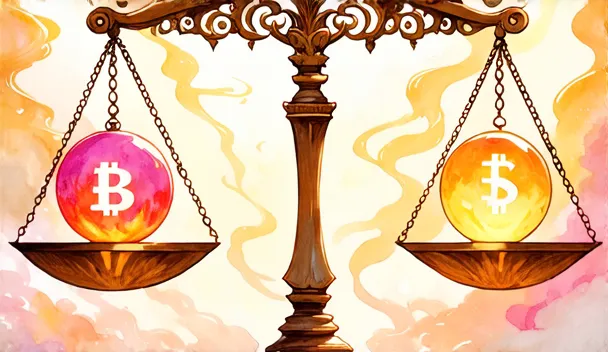
The two primary fee calculation models are Maker-Taker and Constant Product Market Making (CPMM). Think of them as different pricing strategies used by decentralized exchanges (DEXs) to facilitate trades.
For example, the Maker-Taker model charges fees based on the order type - makers provide liquidity, while takers remove it. On the other hand, CPMM models use a mathematical formula to calculate prices and fees based on the token's liquidity pool.
By grasping these fee calculation models, you'll be better equipped to navigate the Solana ecosystem and make informed decisions about your token swaps.
The Impact of Fees on Market Participants
Token swap fees can significantly affect market participants, including traders, investors, and liquidity providers. These fees can eat into profit margins, making it challenging for traders to execute profitable trades.
For instance, if a trader wants to swap tokens worth $1000, a 2% fee would result in a loss of $20. This might not seem like a lot, but such losses can add up over time, especially for frequent traders.
Moreover, liquidity providers may also be impacted as they need to account for these fees when setting their prices, potentially leading to reduced liquidity and wider spreads.
Strategies to Minimize Fees and Maximize Trading Efficiency
To navigate the complexities of token swap fees on Solana, traders can employ several strategies to minimize costs and maximize efficiency.
One approach is to batch transactions together, akin to bundling multiple packages into a single shipment, reducing the overall number of transactions and associated fees. Another strategy involves utilizing automated market makers (AMMs), which can optimize trades by identifying the best possible execution path, thus minimizing slippage and fees.
Additionally, traders can take advantage of Solana's low transaction costs by executing trades during off-peak hours or using alternative routing strategies to bypass congested networks.
The Strategic Role of Token Swaps in Solana's Ecosystem Liquidity

Leveraging Token Swaps to Enhance Ecosystem Liquidity
Token swaps play a vital role in boosting liquidity within Solana's ecosystem. By facilitating the seamless exchange of tokens between different protocols, token swaps help create a network effect that fosters deeper liquidity pools.
This, in turn, enables more efficient trading and reduces slippage for users. A suitable analogy to illustrate this concept would be a highway system, where token swaps act as high-speed interchanges that connect various roads (protocols) and enable smooth traffic flow (liquidity).
As Solana's ecosystem continues to grow, the strategic implementation of token swaps will become increasingly important in maintaining its liquidity and competitiveness.
Facilitating Efficient Transactions within the Solana Market
A token swap on Solana plays a pivotal role in facilitating efficient transactions within the ecosystem. By allowing users to seamlessly exchange one token for another, it enables liquidity and market efficiency.
Imagine a scenario where you're trying to buy a specific cryptocurrency but don't have the required tokens. A token swap ensures that you can instantly acquire the necessary tokens without having to exit the Solana platform or undergo multiple transactions.
This not only saves time but also reduces transaction fees, making the overall process more cost-effective and user-friendly.
Contribution to Overall Market Stability through Token Swaps
Token swaps play a crucial role in maintaining overall market stability within Solana's ecosystem. By facilitating seamless exchanges between different token types, these transactions help regulate liquidity levels and mitigate price volatility.
This can be likened to an efficient traffic management system where the flow of vehicles (tokens) is directed effectively, preventing congestion and ensuring smooth movement throughout the network.
As a result, market participants are empowered with more informed decision-making capabilities due to enhanced price discovery, ultimately contributing to Solana's ecosystem stability.
Conclusion
In this comprehensive guide, we've delved into the world of token swaps on Solana, covering their definition, benefits, and types. We dissected the technical mechanics behind these transactions, highlighting the crucial role of liquidity providers and the platforms that facilitate secure and efficient exchanges.
By understanding how to execute token swaps, navigate risks, manage fees, and leverage them for ecosystem liquidity, users can unlock the full potential of Solana's blockchain. Token swaps are a strategic component in fostering market stability and efficiency within the Solana ecosystem.
As this technology continues to evolve, it will be exciting to see how token swaps adapt to meet the growing demands of decentralized finance. By embracing these advancements, we can collectively drive innovation and push the boundaries of what is possible on Solana.