

Archived article · Original source date: 2024-08-02
This article is preserved from the previous Solana Bulls site as a historical archive. It reflects its original context; references to products, people, market conditions, eligibility, or rules may no longer be current.
Editorial note: This article is educational and is not financial, investment, legal, or tax advice. Products, protocols, yields, fees, liquidity, regulations, and tax treatment can change; verify current primary sources and evaluate the specific risks before acting.
In today's digital landscape, having a secure and authentic online presence is crucial. Blockchain technology has emerged as a key player in managing and protecting one's digital identity, which plays a significant role in shaping how we are perceived and interact with others.
This blog post will explore the concept of digital identities, including their fundamentals, types, components, security, authentication, and verification, as well as best practices, regulatory frameworks, and the impact of artificial intelligence and machine learning on identity verification systems.
Defining Digital Identities: Fundamentals, Significance, and Historical Context
Introduction to Digital Identities and Their Growing Importance
In today's digital landscape, identities are no longer solely defined by physical presence or traditional documentation.
A digital identity is a virtual representation of an individual, organization, or entity that exists online, authenticating your virtual presence and enabling secure interactions.
Evolution and Future of Digital Identities
The concept of digital identities has undergone significant transformations since its inception. Initially limited to static usernames and passwords, they have evolved into decentralized and self-sovereign digital identities, allowing individuals to control their personal data and attributes.
As blockchain technology continues to advance, future digital identities are expected to be even more secure, private, and dynamic, with potential applications in fields such as healthcare, finance, and e-government.
Digital Identity Types: Classification and Characteristics

There are three primary types of digital identities, each with distinct characteristics and applications.
Individual Online Presence and Personal Branding
A strong online presence is crucial for individuals to establish themselves as professionals and thought leaders in their industries.
Effective management of one's digital identity can build trust with audiences and open up opportunities for collaboration and growth.
Social media influencers are a prime example, having built careers around cultivating distinctive online presences that resonate with fans while showcasing unique personalities, styles, and expertise.
Collective Identity and Organizational Branding
Organizations use collective identities to establish their brand and reputation online.
This type of identity is essential for companies, non-profits, and government agencies to create a unified presence across platforms and networks.
Consistent organizational branding enables entities to differentiate themselves from competitors and build trust with their audience.
Device-Based and IoT Identities: Authentication and Verification
Blockchain technology can be leveraged for secure authentication and verification processes in device-based identities, such as those found in smartphones and laptops, and Internet of Things (IoT) identities assigned to devices like smart home appliances and wearables.
This ensures that only authorized users can access sensitive information or initiate transactions.
Key Components of a Digital Identity: Data Points, Identifiers, and Attributes

Personal Data Points, Identifiers, and Behavioral Patterns
A digital identity consists of personal data points (e.g., name, date of birth, email address), unique identifiers (such as blockchain addresses or profiles), and behavioral patterns (like login history, search queries, and purchase behaviors).
These elements collectively define an individual's online presence.
When creating an account on a new platform or service, users share personal data points that contribute to their digital identity.
As they interact with more platforms, their digital footprint grows, making it easier for others to recognize and verify their identity.
Blockchain Addresses, Profiles, and Linked Accounts
In the context of blockchain technology, unique identifiers like blockchain addresses serve as pseudonymous identifiers that enable transactions without revealing real-world identities.
Digital profiles can aggregate multiple identifiers and attributes into a single entity, simplifying online presence management.
Additionally, linked accounts facilitate seamless transitions between platforms and services by connecting multiple accounts to a central hub, ensuring consistency and convenience.
Blockchain Technology in Digital Identities: Enhanced Security, Authentication, and Verification
Address Management and Generation through Blockchain
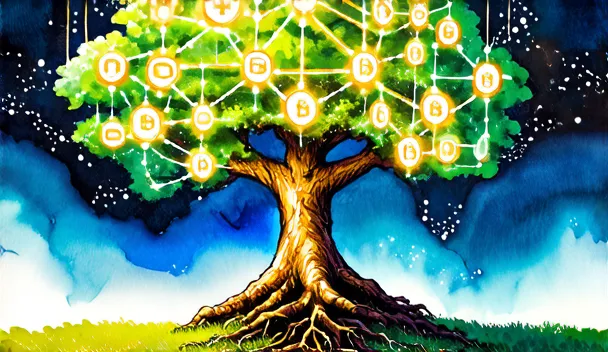
In a blockchain-based digital identity system, unique addresses are generated using complex algorithms, serving as digital identifiers for individuals or entities.
This decentralized approach enables self-sovereign identity management, giving users full control over their digital identities and allowing them to manage multiple addresses if needed.
Decentralized Identity Verification with Smart Contracts
Smart contracts enable decentralized identity verification by matching biometric data (e.g., fingerprints or facial recognition) with the user's digital identity stored on the blockchain.
This secure process ensures that only authorized parties have access to sensitive information, protecting against potential security breaches.
Enhanced Security through Blockchain-Based Authentication
Blockchain technology enhances security features in digital identities by verifying credentials against the immutable blockchain ledger.
This reliable authentication process ensures that only authorized individuals can gain access, making it an effective solution for secure and trustworthy digital identity management.
Best Practices for Digital Identity Management: Challenges, Opportunities, and Future Directions

Establishing a Secure Digital Presence and Mitigating Risks
To establish a secure digital presence, individuals and organizations must prioritize robust identity management practices.
Implementing multi-factor authentication (MFA) is crucial, as it ensures only authorized users can access sensitive information by layering different forms of verification such as passwords, biometric data, or one-time codes.
Effective digital identity management also requires mitigating risks and overcoming challenges. One major challenge is ensuring the security and integrity of personal data, which can be compromised by cyber-attacks or human error.
To mitigate this risk, organizations can implement robust encryption methods, such as blockchain technology, to safeguard sensitive information.
Consistency across multiple platforms and devices is another challenge, where digital identities are often fragmented. Adopting a decentralized approach enables users to manage their identities through a single, secure interface.
Emerging Trends, Technologies, and Standards
The digital identity landscape is witnessing significant advancements, with emerging trends, technologies, and standards transforming the way we manage and protect our identities. Blockchain-based identity solutions offer decentralized, secure, and transparent identity management systems.
Artificial Intelligence (AI) and Machine Learning (ML) enhance identity verification, authentication, and authorization processes.
Standards such as Self-Sovereign Identity (ERC-725) and Decentralized Identifiers (DID) enable interoperability and seamless interactions between different digital identity systems, paving the way for a more secure, efficient, and user-centric digital identity ecosystem.
Artificial Intelligence and Machine Learning in Digital Identity: Enhancing Authentication and Profiling
The integration of artificial intelligence (AI) and machine learning (ML) has revolutionized digital identity authentication processes.
By analyzing patterns, behavior, and biometric data, AI-powered systems can identify potential security threats more effectively than traditional methods.
Enhanced Security through Machine Learning
Machine learning algorithms learn from vast amounts of data to improve their accuracy over time, distinguishing between legitimate users and malicious actors.
This approach reduces the risk of identity theft and fraud by analyzing user behavior patterns, such as typing patterns, mouse movements, and browsing history.
Profiling with AI: Balancing Opportunities and Concerns
AI plays a significant role in digital identity profiling, allowing for more accurate verification processes.
However, this increased reliance on AI raises concerns about bias in profiling algorithms, which may inadvertently discriminate against certain groups or individuals.
As such, transparency and explainability are crucial in AI-driven decision-making processes to ensure accountability and fairness.
Regulatory Frameworks and Industry Standards for Digital Identities

The regulatory landscape surrounding digital identities is complex, with governments and regulatory bodies worldwide establishing frameworks that balance individual privacy rights with secure, efficient, and trustworthy identity verification processes.
The European Union's General Data Protection Regulation (GDPR) sets a precedent for protecting personal data while acknowledging the benefits of digital identities in enhancing security and convenience.
Regulatory Oversight and Existing Laws
Laws and regulations governing digital identities aim to protect individuals' rights and ensure secure management.
The GDPR requires organizations to implement robust security measures for personal data protection, including digital identity information.
In the United States, the Fair Credit Reporting Act (FCRA) regulates the collection, use, and disclosure of consumer credit information, including digital identities.
Industry Standards for Secure Digital Identity Management
The development and implementation of digital identities require adherence to industry standards that ensure secure management and interoperability.
Organizations like the World Wide Web Consortium (W3C) and the Decentralized Identity Foundation (DIF) have established standards such as the Web Authentication (WebAuthn) protocol and the Verifiable Credentials Data Model (VCDM), enabling secure authentication and verification processes.
Conclusion
As we move forward, it's clear that digital identities will play a vital role in modern society.
By embracing blockchain technology and prioritizing secure digital identity management, we can unlock new opportunities while mitigating risks and protecting our online presence.
Ultimately, understanding the complexities of digital identities is essential for individuals, organizations, and governments alike to navigate the ever-evolving digital landscape.