

Archived article · Original source date: 2024-08-15
This article is preserved from the previous Solana Bulls site as a historical archive. It reflects its original context; references to products, people, market conditions, eligibility, or rules may no longer be current.
Editorial note: This article is educational and is not financial, investment, legal, or tax advice. Products, protocols, yields, fees, liquidity, regulations, and tax treatment can change; verify current primary sources and evaluate the specific risks before acting.
Solana, a fast-rising blockchain platform, has been gaining attention from investors and traders due to its impressive transaction speeds and low fees.
However, beneath its promising surface lies a complex web of risks that can potentially undermine even the most well-thought-out investment strategies.
Market Volatility and Price Fluctuations: Understanding the Risks
The Impact of Market Volatility on Solana Trading
Market volatility is a significant risk factor when trading on Solana. As with any other cryptocurrency, Solana's price can fluctuate rapidly and unpredictably, making it challenging to anticipate the market's next move.
A slight change in market sentiment or a major announcement can send prices soaring or plummeting, catching traders off guard. For instance, if a whale investor decides to dump their Solana holdings suddenly, the market could experience a sharp downturn, resulting in substantial losses for those who are long on the asset.
Conversely, a positive development in the Solana ecosystem, such as a major partnership or upgrade, can trigger a rapid price increase, leaving short sellers scrambling to cover their positions.
Understanding Price Fluctuations and Their Investment Implications
Price fluctuations are an inherent part of trading on Solana, or any other blockchain-based platform. These fluctuations can be attributed to various factors such as changes in demand and supply, global economic trends, and regulatory environments.
For instance, the price of SOL, Solana's native cryptocurrency, may surge due to increased adoption by developers or plummet following a security breach. Understanding these fluctuations is crucial for investors, as they directly impact investment returns.
A sudden drop in price can lead to losses if an investor sells during the downturn, while a rapid increase can result in substantial gains. To mitigate risks associated with price volatility, it's essential to stay informed about market trends and adopt a well-thought-out investment strategy.
Strategies for Mitigating Risks in Solana's Fast-Paced Market
To navigate Solana's fast-paced market, traders can employ various strategies to mitigate risks. One approach is to set stop-loss orders, which automatically sell assets when they fall below a certain price, limiting potential losses.
Another strategy is to diversify portfolios by investing in multiple assets, reducing reliance on any single cryptocurrency. Additionally, traders can use technical analysis tools, such as charts and indicators, to identify trends and make more informed decisions.
It's also essential to stay up-to-date with market news and developments, much like a trader would follow stock market news for a specific company's performance. By adopting these strategies, traders can better manage risk and make more educated trading decisions in Solana's dynamic market.
Security Threats and Vulnerabilities in the Solana Ecosystem

Vulnerabilities in Smart Contracts: A Growing Concern
Solana programs and the applications that compose them can contain design, implementation, authority, oracle, and integration flaws. Native programs commonly compile from Rust to sBPF; Solidity targets EVM environments and does not run natively on Solana's SVM.
The infamous 2016 DAO hack on Ethereum, which resulted in a loss of millions of dollars, is a stark reminder of the risks associated with poorly designed smart contracts.
Similarly, Solana's fast-paced development environment increases the likelihood of vulnerabilities slipping through the cracks. As more complex decentralized applications (dApps) are built on Solana, the potential for security breaches grows, making it essential to address these concerns proactively.
Decentralized Application Security Risks and Countermeasures
The Solana ecosystem's decentralized applications (dApps) are built on smart contracts, which can be vulnerable to security risks.
One major risk is the reentrancy attack, where a malicious contract repeatedly drains funds from a user's account by recursively calling itself. To counter this threat, developers must implement secure coding practices, such as using reentrancy locks and proper input validation.
Another vulnerability is the frontrunning attack, where an attacker manipulates the order of transactions to gain an unfair advantage. To mitigate this risk, dApp developers can use techniques like commit-reveal schemes or on-chain randomness.
By understanding these risks and implementing countermeasures, Solana's dApps can ensure a more secure user experience.
Protecting Against Phishing Attacks and Wallet Hacks on Solana
As with any blockchain ecosystem, Solana is not immune to security threats. Phishing attacks and wallet hacks are two of the most common risks that users face.
These types of attacks can be particularly devastating, as they often result in the loss of valuable assets.
To protect against phishing attacks on Solana, it's essential to be cautious when interacting with links or requests for sensitive information. Legitimate platforms will never ask you to reveal your private keys or passwords, so it's crucial to verify the authenticity of any request before responding.
Two-factor authentication can protect a custodial exchange or application account when that provider supports it, but it does not add a second factor to an ordinary self-custody address or protect assets after a recovery phrase or private key is compromised. Verify the specific wallet and account model.
By taking these precautions, users can significantly reduce their risk of falling victim to phishing attacks and wallet hacks on Solana.
Liquidity Risks: The Impact on Trading Efficiency and Prices

The Consequences of Liquidity Risks for Solana Traders
When trading on Solana, liquidity risks can have severe consequences. One major issue is the potential for large price slippage, where traders end up buying or selling an asset at a significantly different price than they intended.
This can lead to substantial losses, especially in fast-paced markets. For example, imagine trying to buy a popular NFT on Solana during a hype-driven event.
If liquidity is low, the price may skyrocket due to high demand and limited supply, resulting in a much higher purchase price than anticipated.
Conversely, if you're trying to sell an asset with low liquidity, you might be forced to accept a significantly lower price, leading to substantial losses.
Market Volatility's Impact on Liquidity in Solana Trading Pools
Liquidity risks in Solana trading pools can be significantly exacerbated by market volatility. When the market experiences sudden and significant price swings, liquidity providers may become hesitant to participate or even withdraw their assets from the pool, leading to a decrease in available liquidity.
This, in turn, can cause trading efficiency to deteriorate, resulting in wider bid-ask spreads and increased price slippage for traders. For instance, during periods of high market turbulence, such as during a "crypto flash crash," liquidity providers may rapidly withdraw their assets from Solana's decentralized exchanges (DEXs), causing a sharp decrease in available liquidity and subsequent trading inefficiencies.
Liquidity Providers' Role in Mitigating Trading Risks on Solana
Liquidity providers play a crucial role in mitigating trading risks on the Solana blockchain. These entities, often decentralized exchanges (DEXs) or market makers, inject liquidity into the ecosystem by matching buy and sell orders.
By doing so, they help maintain a stable pool of assets, reducing price volatility and slippage - a common issue in low-liquidity environments. Think of it like a rowing boat on a serene lake; when there's enough water (liquidity), the boat glides smoothly.
But if the lake is shallow (low liquidity), even the slightest movement can cause ripples, disrupting navigation. By maintaining an adequate liquidity level, providers help traders execute trades efficiently and at fair prices.
Regulatory Environment and Compliance Challenges for Solana Traders
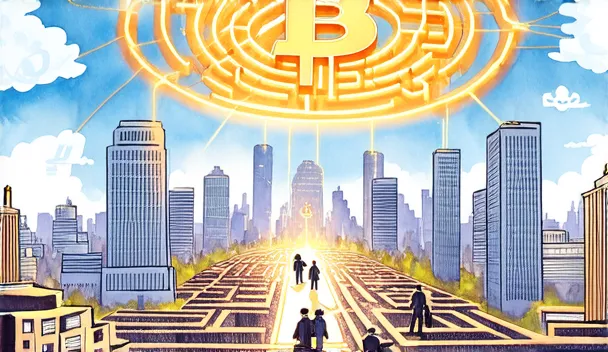
Navigating the Regulatory Environment Surrounding Solana Trading
As Solana traders, navigating the regulatory environment can be a daunting task. The blockchain landscape is rapidly evolving, and regulations surrounding cryptocurrency trading are still in their infancy.
One of the primary concerns for Solana traders is the lack of clarity on tax obligations, anti-money laundering (AML) requirements, and know-your-customer (KYC) protocols. For instance, the US Securities and Exchange Commission (SEC) has yet to provide clear guidelines on the classification of Solana's native token, SOL, as a security or commodity.
This ambiguity creates uncertainty for traders, making it essential to stay informed about changing regulations and adapt to new requirements to avoid potential non-compliance. By staying vigilant and up-to-date, Solana traders can mitigate risks associated with regulatory challenges.
Compliance Challenges and Potential Consequences for Non-Compliance
The regulatory environment surrounding Solana trading poses significant compliance challenges. As a relatively new player in the blockchain space, Solana must navigate uncharted territory to ensure adherence to existing laws and regulations.
Traders on the Solana network face similar challenges, as they must comply with anti-money laundering (AML) and know-your-customer (KYC) requirements, among other regulations. Non-compliance can result in severe consequences, including fines, penalties, and even reputational damage.
For instance, failure to implement adequate AML controls can lead to unintentional facilitation of illicit activities, damaging the trader's reputation and inviting regulatory scrutiny.
Strategies for Ensuring Compliance in Solana Trading
To navigate the complex regulatory environment and minimize compliance challenges, Solana traders can employ several strategies. Firstly, staying informed about changing regulations and laws is crucial.
This can be achieved by regularly checking official government websites, following reputable blockchain news sources, and participating in online forums where regulatory discussions take place.
Secondly, utilizing compliant trading platforms that adhere to strict Know-Your-Customer (KYC) and Anti-Money-Laundering (AML) protocols can significantly reduce the risk of non-compliance. These platforms often have built-in measures to ensure adherence to regulations, making it easier for traders to stay within legal boundaries.
By combining these strategies with a proactive approach to compliance, Solana traders can mitigate risks associated with regulatory uncertainty.
Mitigating Risks through Investor Protection Strategies

Diversification Strategies for Minimizing Risk Exposure
As with any investment, diversification is key to minimizing risk exposure when trading on Solana. By spreading your investments across various asset classes, you can reduce reliance on a single market or sector.
Think of it like a farmer not putting all their eggs in one basket - if one crop fails, others will still yield returns. In the context of Solana, this means allocating funds to different types of cryptocurrencies, such as stablecoins, DeFi tokens, and NFTs.
Another approach is to invest in multiple blockchain platforms, rather than just Solana, to take advantage of their unique features and growth potential.
Implementing Secure Storage Solutions for SOL Tokens
To safeguard their SOL tokens, investors can employ secure storage solutions that offer robust protection against potential threats. One such solution is a hardware wallet, which functions like a highly secure safe for storing valuable assets.
Just as you wouldn't store your life savings under your mattress, it's equally ill-advised to keep large amounts of SOL in an online exchange or software wallet due to the risks of hacking and data breaches.
By utilizing a hardware wallet, such as Ledger or Trezor, investors can securely store their SOL tokens offline, minimizing exposure to malicious actors. Additionally, consider using multi-factor authentication and regular backups to further fortify your security measures.
Leveraging Stop-Loss Orders and Limit Orders to Manage Risk
Investors trading on Solana can mitigate risks by incorporating stop-loss orders and limit orders into their investment strategies.
A stop-loss order automatically sells a security when it falls below a certain price, limiting potential losses. For instance, if an investor buys SOL at $100 and sets a stop-loss at $90, the sale will be triggered if the price drops to $90, thereby preventing further losses.
Similarly, limit orders allow investors to set a maximum purchase price or minimum sale price, helping them avoid buying high or selling low. By using these order types, traders can establish clear risk-reward parameters and reduce exposure to market volatility.
Network Congestion and Scalability Risks in High-Volume Trades

Understanding the Impact of High-Volume Trades on Solana's Network Congestion
High-volume trades can significantly impact Solana's network congestion, leading to slower transaction processing times and increased costs. Imagine a highway with a limited number of lanes, where each lane represents a node on the Solana network.
During periods of low traffic (i.e., low trading volume), transactions flow smoothly and efficiently, much like a car cruising down an empty highway.
However, when high-volume trades enter the scene, it's akin to rush hour - more cars (transactions) are competing for limited space (nodes), causing congestion and delays.
Scalability Limitations and Mitigation Strategies for Peak Trading Hours
As Solana's popularity grows, so does its vulnerability to network congestion during peak trading hours. This can lead to slower transaction processing times, higher fees, and even failed trades.
To mitigate these risks, traders can employ strategies such as batching similar transactions together to reduce the load on the network or using off-chain transaction protocols like Layer 2 solutions.
For instance, imagine a highway with heavy traffic - instead of having multiple cars (transactions) travel individually, you group them into a single bus (batched transactions), reducing congestion and increasing efficiency.
By implementing these strategies, traders can navigate peak trading hours more effectively and minimize the risks associated with network congestion.
Strategic Trade Planning to Minimize Network Congestion Risks
High-volume trades on Solana can sometimes lead to network congestion, resulting in delayed or even failed transactions.
To minimize these risks, traders should adopt strategic planning techniques. One approach is to divide large trades into smaller, more manageable chunks, similar to how a large file is split into smaller packets for smoother internet transmission.
This technique helps reduce the load on the network and can prevent congestion. Another strategy is to schedule trades during off-peak hours when the network is less busy, analogous to avoiding rush hour traffic.
By planning ahead and adapting to the network's capacity, traders can significantly lower their exposure to congestion risks.
Smart Contract Risks: Understanding the Potential for Errors and Exploits

The Risks of Smart Contract Errors and Exploits
Smart contracts, being a critical component of blockchain technology on Solana, are not immune to errors and exploits. These self-executing contracts can malfunction or be manipulated by malicious actors, resulting in unintended consequences.
For instance, the 2016 DAO hack on Ethereum's smart contract platform led to the loss of millions of dollars due to a reentrancy vulnerability. Similarly, on Solana, if a smart contract is poorly coded or lacks thorough testing, it may expose users to financial risks.
Additionally, as the complexity of these contracts increases, so does the potential for errors and exploits. It's essential to acknowledge that even with robust security measures in place, smart contract errors and exploits can still occur.
Common Errors in Solana Smart Contracts That Can Lead to Losses
Solana smart contracts, like any other code, are prone to errors. These mistakes can be costly and even lead to losses for traders.
One common error is the "reentrancy bug," where a contract's logic allows an attacker to drain funds by repeatedly calling the same function. Another issue is incorrect or inadequate access control, enabling unauthorized parties to manipulate contract data.
The infamous "rug pull" is also a significant risk, where developers intentionally drain liquidity from their own contracts.
These errors can be mitigated through rigorous testing and code audits, but they still pose a threat to traders on Solana.
Auditing, Testing, and Mitigating Smart Contract Risks on Solana
Similar to how a skilled mechanic inspects and tests a vehicle before hitting the road, developers must audit and test smart contracts thoroughly to identify potential vulnerabilities. On Solana, this process is crucial due to the platform's high-speed and low-latency environment, which can amplify the consequences of errors or exploits.
To mitigate these risks, developers can utilize tools like Solanido, a popular testing framework for Solana smart contracts. Additionally, conducting regular security audits and penetration testing can help identify potential weaknesses before they are exploited by malicious actors.
By adopting a proactive approach to risk management, developers can ensure the integrity of their smart contracts and protect users' assets on the Solana blockchain.
Conclusion
In this article, we have explored the various risks associated with trading on the Solana blockchain. From market volatility and price fluctuations to security threats, liquidity risks, regulatory challenges, network congestion, and smart contract errors, it's clear that traders need to be aware of these potential pitfalls to navigate the Solana ecosystem effectively.
By understanding these risks and implementing strategies such as diversification, secure storage solutions, stop-loss orders, and limit orders, investors can mitigate their exposure to losses.
As the Solana network continues to grow and mature, it's essential for traders to stay informed about the evolving landscape and adapt their tactics accordingly. With caution and a well-informed approach, traders can unlock the full potential of Solana's high-speed, low-latency trading environment.