
Archived article · Original source date: 2024-08-24
This article is preserved from the previous Solana Bulls site as a historical archive. It reflects its original context; references to products, people, market conditions, eligibility, or rules may no longer be current.
Editorial note: This article is educational and is not financial, investment, legal, or tax advice. Products, protocols, yields, fees, liquidity, regulations, and tax treatment can change; verify current primary sources and evaluate the specific risks before acting.
The rise of digital assets and blockchain technology has made this vision a reality, redefining the concept of property rights forever.
As the Solana ecosystem gains momentum, understanding how digital property rights are established, managed, and enforced within this emerging landscape is crucial for individuals and organizations navigating this new frontier.
Foundations of Digital Property Rights: Concepts and Terminology
Introduction to Digital Property Rights
Digital property rights are a cornerstone concept in blockchain ecosystems, particularly within Solana.
This concept has evolved with the advent of digital assets and decentralized technologies.
Key Components of Digital Property Rights
In the context of blockchain, digital property rights refer to an individual's or organization's exclusive control over unique digital assets, such as non-fungible tokens (NFTs), cryptocurrencies, and other digital collectibles.
These rights enable holders to buy, sell, trade, and utilize their digital possessions securely and transparently.
Role of Smart Contracts in Tokenization
Smart contracts facilitate tokenization by representing unique assets as tokens on the blockchain.
They serve as self-executing agreements with predefined rules and logic, automating the enforcement of ownership rights and enabling secure transactions without intermediaries.
Understanding Decentralized Governance Models
Decentralized governance models enable communities to make collective decisions without relying on centralized authorities.
In Solana's ecosystem, these models allow users to participate in shaping the future through mechanisms like voting protocols and community-driven initiatives.
Solana's Blockchain Ecosystem: Fundamentals and Impact on Digital Ownership
Blockchain Fundamentals and Their Impact on Digital Ownership
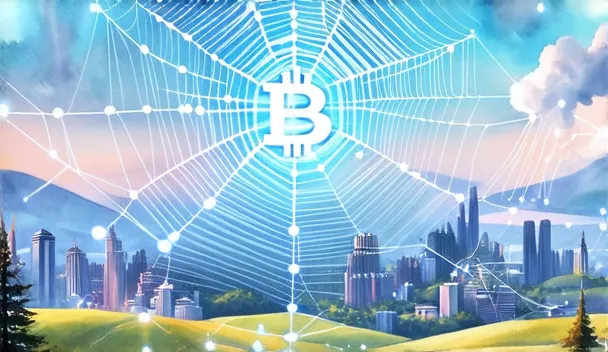
The Solana blockchain is a decentralized ledger that records transactions across a network of computers, eliminating the risk of centralized manipulation.
Its distributed nature fosters an environment where trust is inherent to the technology itself.
Cryptographic algorithms guarantee the security and integrity of digital assets, safeguarding them against unauthorized access or tampering.
Solana's Blockchain Architecture: Support for Digital Transfer and Ownership
Solana's unique consensus algorithm and data structure support seamless digital transfer and ownership.
This enables fast, secure, and low-cost transactions, making it an ideal platform for managing digital assets.
Implementing Digital Property Rights within the Solana Ecosystem
Digital property rights are implemented through smart contracts and decentralized governance models within the Solana ecosystem.
For instance, Metaplex's Token Metadata standard ensures NFT creators can define their ownership rights clearly and enforce royalty payments for secondary sales.
Establishing Digital Property Rights on Solana: Leveraging Smart Contracts, Tokenization, and NFTs
Smart Contracts as the Basis for Digital Property Rights Establishment
At the core of digital property rights establishment on Solana lies the utilization of smart contracts.
These self-executing agreements automate the enforcement of ownership rights and ensure secure transactions without intermediaries.
Tokenization Mechanisms for Unique Digital Properties on Solana
The Solana ecosystem employs tokenization mechanisms to represent unique digital properties as tokens on the blockchain.
A notable example is Metaplex's Token Metadata standard, which empowers creators to define their ownership rights clearly while enabling royalty payments for secondary sales.
NFTs in Representing Ownership
NFTs play a crucial role in representing ownership within the Solana ecosystem, offering a unique mechanism for creators to define and enforce their digital property rights.
By leveraging smart contracts and blockchain technology, NFTs enable secure and transparent management of unique digital assets.
Security Measures for Enforcing Digital Property Rights: Governance and Dispute Resolution

Robust Security Protocols for Safeguarding Digital Assets
Solana's ecosystem employs robust security protocols to ensure the secure management and enforcement of digital property rights.
Cryptographic algorithms safeguard digital assets against unauthorized access or tampering, while smart contracts automate the enforcement of ownership rights.
Decentralized governance models also play a crucial role in maintaining the integrity of the Solana ecosystem.
This is achieved by empowering communities to make collective decisions and updates to the platform's underlying architecture.
Governance and Dispute Resolution Processes
In the Solana ecosystem, decentralized governance models empower communities to make collective decisions without relying on centralized authorities.
Users can participate in shaping the ecosystem's future through voting protocols and community-driven initiatives.
Challenges and Opportunities in Enforcement
Ensuring smart contracts have robust security measures is a primary challenge in enforcing digital property rights.
This challenge also presents an opportunity for innovation in secure governance models, such as those employed by Metaplex, which clearly define ownership rights and enable royalty payments for secondary sales.
Redefining Asset Management: Implications for Ownership, Transfer, and Licensing in the Digital Age
Unique Identifiers for Establishing Digital Ownership
Digital property rights on Solana rely on unique identifiers generated through smart contracts during tokenization.
These identifiers enable the creation of non-fungible tokens (NFTs) representing tangible ownership within the Solana ecosystem.
Smart Contracts and Transfer Mechanisms
Transfer mechanisms are facilitated by self-executing smart contracts that automate enforcement of ownership rights, ensuring secure transactions without intermediaries.
These contracts are programmed with predefined rules and logic for efficient and secure digital asset transfers.
Licensing and Permissioned Access: Blockchain Applications
Blockchain applications play a key role in licensing and permissioned access on Solana.
Smart contracts can automate enforcement of ownership rights, enabling secure transactions without intermediaries.
This fosters an environment where users confidently buy, sell, trade, and utilize their unique digital possessions.
Scalability and Interoperability: The Future of Digital Property Rights within Solana's Ecosystem
Scaling Digital Property Rights on Solana
The scalability of digital property rights is crucial for the future of ownership in the Solana ecosystem.
To address growing demand, Solana's blockchain architecture efficiently processes a high volume of transactions per block without compromising security or performance.
New Frontiers in Digital Ownership
The concept of digital property rights on Solana is expanding, with innovative applications and use cases redefining traditional asset management and ownership.
For example, Metaplex's Token Metadata standard empowers creators to define their ownership rights clearly while enabling royalty payments for secondary sales.
Solana's Ecosystem: A Path to Adoption
Solana's ecosystem is gaining traction, driven by projects like Metaplex and Star Atlas.
Its robust blockchain architecture supports fast, secure, and low-cost transactions, enabling efficient transfer and ownership management.
This has fostered a sense of community among users, highlighting the platform's potential for adoption.
Navigating Challenges and Opportunities: The Road Ahead for Digital Property Rights on Solana

Regulatory Challenges and Opportunities
The growth of digital property rights on Solana has brought regulatory challenges and opportunities to light.
Governments and institutions are beginning to recognize the significance of digital assets, necessitating clear guidelines and frameworks that balance innovation with consumer protection.
Decentralized governance models play a crucial role in shaping the ecosystem's future.
Balancing Decentralization with Centralized Governance
The concept of digital property rights on Solana is deeply intertwined with the balance between decentralization and centralized governance.
As the ecosystem grows, stakeholders must navigate this delicate balance.
Decentralized governance models empower communities to make collective decisions without relying on centralized authorities, ensuring that the platform evolves in a manner aligned with the community's interests.
Metaplex's Token Metadata standard is an exemplary model of balancing decentralization with centralized governance.
By empowering creators to define their ownership rights clearly while enabling royalty payments for secondary sales, Metaplex demonstrates how blockchain technology can facilitate secure and transparent management of unique digital assets.
Future Applications and Potential of Digital Property Rights on Solana
The potential applications of digital property rights on Solana are vast. One area of significant interest is the intersection of digital ownership and decentralized finance (DeFi).
Projects like Metaplex are exploring ways to integrate NFTs into DeFi protocols, enabling creators to define their ownership rights clearly while facilitating secure and transparent management of unique digital assets.
Conclusion
This comprehensive exploration of digital property rights on Solana has covered foundational concepts, terminology, and the ecosystem's capabilities for secure and efficient management through smart contracts, tokenization, and NFTs.
Key security measures like governance and dispute resolution have been highlighted to ensure enforcement. As we look ahead, scalability and interoperability will be crucial in shaping the future of digital property rights on Solana.
With its decentralized governance model and potential for adoption, what role might Solana play in redefining ownership in the digital age?