
Archived article · Original source date: 2024-09-06
This article is preserved from the previous Solana Bulls site as a historical archive. It reflects its original context; references to products, people, market conditions, eligibility, or rules may no longer be current.
As the crypto market continues to evolve at breakneck speed, it's easy to overlook the fascinating origins of this groundbreaking technology - a story that spans multiple blockchain platforms, visionary pioneers, and explosive growth.
NFT Fundamentals: Concept, Technology, and Unique Digital Assets
Defining Unique Digital Assets
At its core, NFT technology revolves around the concept of unique digital assets.
These are distinct from traditional cryptocurrencies in that each asset has a specific set of characteristics, attributes, and ownership details that cannot be replicated or exchanged for another identical asset.
This uniqueness is what gives NFTs their value and significance in the digital realm.
Exploring NFT Creation and Storage Technology
NFT creation involves a delicate interplay between blockchain technology, digital asset uniqueness, and storage solutions.
The process begins with the minting of an NFT, where a creator uses specialized tools or platforms like Drip to transform their digital work into a unique token on the blockchain.
This token is then stored in a digital wallet, such as Phantom or Solflare, which not only safeguards the asset but also enables seamless interactions with decentralized applications and marketplaces.
Comparing Ethereum and Solana
Ethereum, a pioneer in the blockchain space, has long been synonymous with innovation and adaptability. However, as the NFT market continues to evolve, Solana emerges as a formidable contender, offering unique advantages that are drawing creators and collectors alike.
A key distinction lies in their approach to scalability and transaction speed. Ethereum's smart contract platform is renowned for its flexibility but often faces congestion issues due to high demand, resulting in slower processing times.
Proof of History orders events; validators execute transactions, verify state transitions, and vote on forks through proof-of-stake consensus and Tower BFT.
Ethereum's Early NFT Beginnings: Genesis and First Generation Projects

The Birth of CryptoPunks
CryptoPunks, one of the first NFT projects on Ethereum, marked a pivotal moment in the history of unique digital assets. Developed by Matt Hall and John Watkinson, these 10,000 small, pixelated images of punk characters not only pioneered the concept of blockchain-based art but also laid the groundwork for subsequent generations of NFT creators.
The project's simplicity belied its profound impact on the burgeoning NFT landscape, demonstrating how digital ownership could be both tangible and transferable in a way that traditional digital assets couldn't match.
Early Challenges and Success Stories
Ethereum's early NFT beginnings were marked by both significant challenges and groundbreaking success stories.
One of the earliest challenges faced was scalability, as the sudden surge in demand for NFTs led to congestion on the Ethereum network, resulting in slower processing times and higher transaction costs.
However, it was precisely these challenges that spurred innovation within the community.
Bored Ape Yacht Club and Other Pioneers
The NFT landscape on Ethereum saw significant milestones with projects like Bored Ape Yacht Club, which set the stage for community-driven and unique digital asset creation.
This pioneering effort paved the way for subsequent generations of NFT projects that would build upon its success.
As blockchain technology evolved, so did the creativity and diversity of NFTs, reflecting a broader shift in how artists, collectors, and enthusiasts interact with digital ownership and value.
The Rise of Ethereum's NFT Ecosystem: CryptoPunks and Bored Ape Yacht Club
CryptoPunks: The First 10,000 Unique NFTs on Ethereum
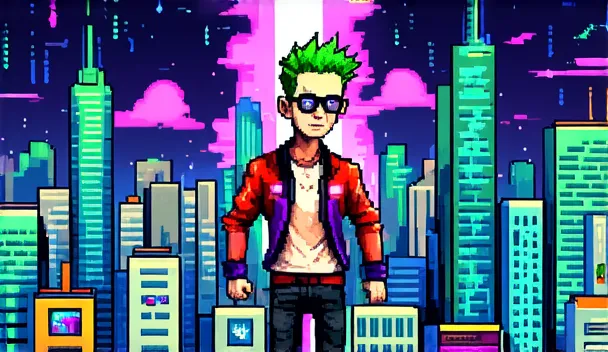
The introduction of CryptoPunks in 2017 marked a significant milestone in the history of Non-Fungible Tokens (NFTs).
Developed by Matt Hall and John Watkinson, these pixelated images of punk characters not only pioneered the concept of blockchain-based art but also laid the groundwork for subsequent generations of NFT creators.
Each of the 10,000 unique CryptoPunks was generated using a novel algorithm, ensuring that no two punks were alike.
This uniqueness, coupled with their transferable nature on the Ethereum blockchain, demonstrated how digital ownership could be both tangible and verifiable in a way that traditional digital assets couldn't match.
From Concept to Cultural Phenomenon
The transformation of NFTs from an intriguing concept to a cultural phenomenon is underscored by their versatility and the creative freedom they offer.
As seen with CryptoPunks, one of the pioneering projects on Ethereum, these unique digital assets not only democratized blockchain-based art but also paved the way for subsequent generations of innovative NFT creations.
Bored Ape Yacht Club (BAYC), another groundbreaking project, exemplifies this shift by evolving into a community-driven effort that transcends mere digital ownership, instead fostering a sense of shared identity and belonging among its enthusiasts.
Ethereum's Role in Shaping the NFT Ecosystem
Ethereum played a pivotal role in shaping the Non-Fungible Token (NFT) ecosystem, laying the groundwork for subsequent blockchain platforms like Solana.
By pioneering the concept of unique digital assets and facilitating their creation through smart contracts, Ethereum empowered artists and collectors alike to reimagine the boundaries of ownership and value in the digital realm.
The success of early projects such as CryptoPunks and Bored Ape Yacht Club not only demonstrated the potential of blockchain technology but also spurred innovation within the community.
As a result, Ethereum's NFT ecosystem became a testing ground for new ideas and a benchmark against which other platforms would be measured.
Ethereum's NFT Technological Advancements: Smart Contracts, Blockchain, and More
Smart Contracts and NFT Development on Ethereum
Ethereum's pioneering role in Non-Fungible Token (NFT) creation is deeply intertwined with its robust smart contract technology. The platform's flexibility in executing complex code has made it a hub for NFT development, enabling creators to craft unique digital assets that can be bought, sold, and traded on various marketplaces.
Ethereum's smart contracts, which are self-executing agreements written in the programming language Solidity, have been instrumental in facilitating the minting of NFTs through platforms like Drip. This seamless interplay between blockchain technology, digital asset uniqueness, and storage solutions has transformed how artists, collectors, and enthusiasts interact with digital ownership and value.
Supporting NFT Ecosystem Growth
The evolution of Ethereum's NFT ecosystem has been significantly bolstered by various technological advancements and innovative projects.
One key aspect supporting this growth is the integration of smart contracts, which enables creators to mint unique digital assets with specific characteristics, attributes, and ownership details.
This technology not only empowers artists and collectors but also fosters a sense of community and shared identity among enthusiasts.
CryptoPunks and Bored Ape Yacht Club Case Studies
The success of CryptoPunks and Bored Ape Yacht Club (BAYC) exemplifies how Ethereum's NFT ecosystem has enabled the creation of unique digital assets that transcend mere ownership. These pioneering projects not only showcased the potential of blockchain technology but also spurred innovation within the community.
By leveraging smart contracts on Ethereum, both CryptoPunks and BAYC have become cultural phenomena, embodying a sense of shared identity and belonging among their enthusiasts.
The pixelated images of punk characters in CryptoPunks and the unique ape avatars in BAYC have become iconic representations of the NFT space, demonstrating how digital ownership can be both tangible and verifiable.
Solana's Emergence in the NFT Space: Key Features, Benefits, and Network Advantages
Solana's Rise in the NFT Ecosystem
Solana has been making significant strides in the Non-Fungible Token (NFT) ecosystem, carving out a niche for itself as a viable alternative to Ethereum.
This has been further bolstered by the emergence of innovative projects like Bonk, which has become a cultural and social token within the Solana ecosystem, fostering a sense of community and shared purpose among its users.
Key Features Attracting Creators and Collectors
Solana's emergence in the NFT space is attributed to its unique set of features that cater to both creators and collectors.
This not only enhances user experience but also enables quicker minting and trading of NFTs, making it an attractive platform for artists looking to quickly monetize their digital creations.
Solana's Advantages Over Other Networks
Solana boasts a range of advantages that set it apart from other networks in the NFT space.
This allows for seamless interactions with decentralized applications and marketplaces, making Solana an attractive choice for creators and collectors alike.
Additionally, Solana's focus on community-driven projects has fostered a sense of shared identity and belonging among its users, as seen in the widespread adoption of Bonk, a cultural and social token that embodies the web3 ethos of decentralization and user empowerment.
Notable Solana NFT Projects: Innovations from Solana Monke Business and Degenerate Ape Academy
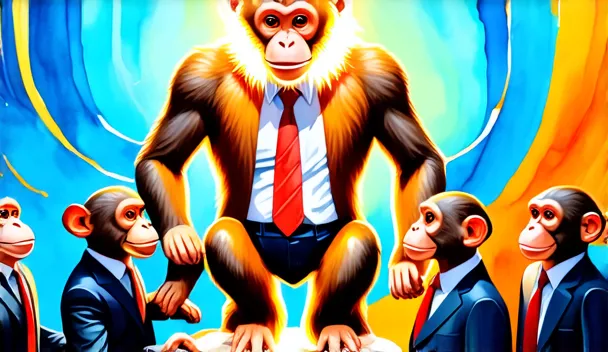
Monke Business: Pioneering Solana's NFT Ecosystem
Solana's emergence in the Non-Fungible Token (NFT) space has been significantly bolstered by innovative projects like Monke Business, which has pioneered the Solana ecosystem through its unique approach to digital asset creation.
Breakout Success Stories on Solana
Solana has witnessed numerous breakout success stories, with projects like Bonk and Drip leading the way.
Bonk's unique airdrop strategy to a broad range of Solana users has made it a cultural and social token within the ecosystem, boasting over 200 integrations and standing as the third most utilized token on Solana.
This community-driven approach has fostered a sense of shared identity and belonging among its users, showcasing Solana's potential for hosting innovative projects that transcend mere digital ownership.
Other Notable Solana NFT Projects
Beyond Solana Monke Business and Degenerate Ape Academy, several other notable projects have made significant contributions to the Solana ecosystem. For instance, Bonk has emerged as a cultural and social token, embodying the web3 ethos of decentralization and user empowerment through its widespread adoption across over 200 integrations within the Solana network.
Drip has also carved out a niche by providing a platform for creators to freely distribute their work directly to collectors, enriching both the creator's experience and the collector's curated digital collection. Furthermore, innovative tools like Helius have streamlined development on the Solana blockchain with high-performance RPC nodes and APIs, addressing common challenges faced by developers and making the ecosystem more accessible.
These projects, along with others, have collectively enriched the NFT landscape on Solana, showcasing the platform's versatility and potential for community-driven initiatives.
Ethereum vs. Solana in the NFT Space: Differences, Advantages, and Use Cases
Examining Foundational Projects
As we delve into the Solana ecosystem, it's crucial to examine the foundational projects that have shaped its NFT landscape. One such project is Bonk, a cultural and social token that has become an integral part of the Solana community.
Airdropped to a wide array of Solana users, including artists, developers, and early adopters from various protocols and NFT communities, Bonk's unique approach has fostered a sense of shared identity and belonging among its users.
With over 200 integrations and standing as the third most utilized token on Solana, Bonk exemplifies the potential for community-driven projects to thrive within the ecosystem.
Key Factors Behind Solana's Growing NFT Market Share
Solana's increasing presence in the Non-Fungible Token (NFT) space can be attributed to several key factors that set it apart from other blockchain platforms.
This has made Solana an attractive choice for creators and collectors alike, as it allows for seamless interactions with decentralized applications and marketplaces.
Additionally, Solana's focus on community-driven projects has fostered a sense of shared identity and belonging among its users, exemplified by the widespread adoption of Bonk, a cultural and social token that embodies the web3 ethos of decentralization and user empowerment.
Comparing Smart Contract Functionality and Ecosystem Support
When comparing Ethereum and Solana in the NFT space, it's essential to delve into their smart contract functionality and ecosystem support. Both platforms have robust ecosystems that empower creators and collectors alike, but they differ significantly in how they approach scalability and transaction speed.
Ethereum's smart contracts, renowned for their flexibility, often face congestion issues due to high demand, resulting in slower processing times.
This distinction has led to innovative projects on both platforms that cater to different needs within the NFT ecosystem.
Ethereum's pioneering role in NFT creation is deeply intertwined with its robust smart contract technology, empowering artists and collectors to reimagine digital ownership and value.
Solana, on the other hand, offers a unique set of features that attract creators and collectors looking for faster transaction processing times and community-driven initiatives.
Notable projects like Bonk and Drip have emerged as cultural and social tokens within the Solana ecosystem, embodying the web3 ethos of decentralization and user empowerment.
Mainstream Adoption and Market Trends: Current State and Future Directions of the NFT Ecosystem
NFTs in Popular Culture
The growing influence of Non-Fungible Tokens (NFTs) in popular culture is evident from their increasing presence in various forms of digital art, collectibles, and community-driven initiatives.
As blockchain technology continues to evolve, NFTs have become a staple in the web3 ethos of decentralization and user empowerment, transcending mere ownership to embody shared identities and purposes among communities.
A notable example is Bonk, which emerged as a cultural and social token within the Solana ecosystem, boasting over 200 integrations and standing as the third most utilized token on Solana.
This widespread adoption highlights its potential as a staple currency, fostering a sense of belonging among users.
Notable Projects Driving Market Trends on Ethereum and Solana
The NFT ecosystems on both Ethereum and Solana have been shaped by a variety of notable projects.
On Ethereum, pioneering projects such as CryptoPunks and Bored Ape Yacht Club (BAYC) laid the groundwork for subsequent generations of unique digital assets.
These projects not only showcased the potential of blockchain technology but also spurred innovation within the community, fostering a sense of shared identity and belonging among their enthusiasts.
In contrast, Solana's NFT space has been driven by innovative projects like Bonk, which emerged as a cultural and social token within the Solana ecosystem. With over 200 integrations and standing as the third most utilized token on Solana, Bonk exemplifies the potential for community-driven initiatives to thrive within the ecosystem.
Other notable projects such as Drip have carved out a niche by providing a unique platform where creators can freely distribute their work directly to enthusiasts and collectors.
These projects showcase how both Ethereum and Solana are empowering artists and collectors alike to reimagine digital ownership and value, with each platform offering distinct advantages in terms of scalability, transaction speed, and community engagement.
As the NFT market continues to evolve, these notable projects are driving market trends and shaping the future directions of the NFT ecosystem.
For instance, Bonk's unique approach has fostered a sense of shared identity and belonging among its users.
Drip's platform model enriches the collector's experience by offering a steady stream of curated digital collectibles.
As the NFT landscape continues to evolve, it will be interesting to see how these notable projects on both Ethereum and Solana continue to drive market trends and shape the future directions of the NFT ecosystem.
With their focus on community-driven initiatives and innovative approaches to digital ownership and value, these projects are poised to play a significant role in shaping the future of the NFT space.
Emerging Technologies and Opportunities
The NFT ecosystem continues to evolve at a rapid pace, driven by emerging technologies and innovative projects. One notable example is the integration of decentralized applications (dApps) on Solana, which enables seamless interactions between creators and collectors.
This has been further enhanced by platforms like Helius, which provides high-performance RPC nodes and APIs tailored for Solana development.
Phantom is ordinarily a self-custody wallet: users control the signing keys and recovery path rather than depositing assets with Phantom as a custodian. Custodial-account controls, KYC, account freezes, and provider-held recovery apply only to a separate custodial service that actually controls the account or keys.
Conclusion
The history of Non-Fungible Tokens (NFTs) is a rich and fascinating one, spanning from their early beginnings on Ethereum to their current mainstream adoption. Through this journey, we've explored the fundamental concepts and technologies that underpin NFT creation and storage, including smart contracts and blockchain technology.
We've also delved into the pioneering projects that shaped the ecosystem, such as CryptoPunks and Bored Ape Yacht Club on Ethereum, and Solana's emerging players like Monke Business and Degenerate Ape Academy. By comparing and contrasting Ethereum and Solana's NFT ecosystems, we've identified key differences and advantages that will inform future use cases and adoption trends.
As the NFT market continues to grow and evolve, it's clear that these unique digital assets have transcended their early beginnings as a niche interest, instead becoming a mainstream phenomenon with far-reaching implications for art, culture, and beyond.