
Archived article · Original source date: 2024-08-23
This article is preserved from the previous Solana Bulls site as a historical archive. It reflects its original context; references to products, people, market conditions, eligibility, or rules may no longer be current.
Editorial note: This article is educational and is not financial, investment, legal, or tax advice. Products, protocols, yields, fees, liquidity, regulations, and tax treatment can change; verify current primary sources and evaluate the specific risks before acting.
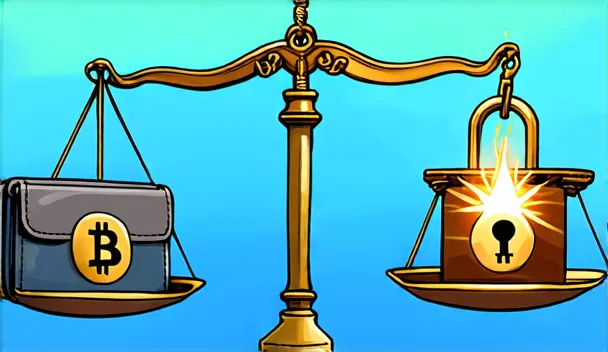
In this article, we'll delve into the key differences between these two wallet types, exploring their implications for user experience, asset security, and regulatory compliance, to help you make an informed decision that aligns with your investment strategy and risk tolerance.
Understanding Custodial and Non-Custodial Wallets: Definitions and Key Differences
What is a Custodial Wallet and How Does it Work?
A custodial wallet, also known as a hosted wallet, is a type of digital wallet that stores users' private keys on behalf of the user.
This means that the wallet provider has control over the private keys, which are used to access and manage the user's cryptocurrency funds.
When you use a custodial wallet, you essentially trust the provider to secure your assets and facilitate transactions on your behalf.
Key Differences Between Custodial and Non-Custodial Wallets
The primary distinction between custodial and non-custodial wallets lies in the control and management of private keys.
In a custodial wallet, users entrust their private keys to a third-party service provider, who assumes responsibility for securing these sensitive pieces of information.
This setup often enhances user experience by simplifying wallet recovery and offering advanced security measures such as multi-factor authentication and insurance against potential losses.
Choosing the Right Wallet for Your SOL Management
When selecting a wallet to manage your SOL holdings, it's crucial to consider your specific needs and preferences.
For instance, if you prioritize security above all else, a non-custodial wallet like Solflare might be the best fit due to its robust measures designed to safeguard user assets.
On the other hand, users seeking a more seamless experience across various applications within the Solana ecosystem could find Phantom's integration with decentralized applications (dApps) and staking capabilities particularly appealing.
Ultimately, the decision hinges on whether you value control over your assets or a streamlined user experience, and understanding these differences is key to making an informed choice.
Security Comparison: Risks and Benefits of Custodial vs Non-Custodial Wallets
Custodial Wallet Security Risks: What to Look Out For
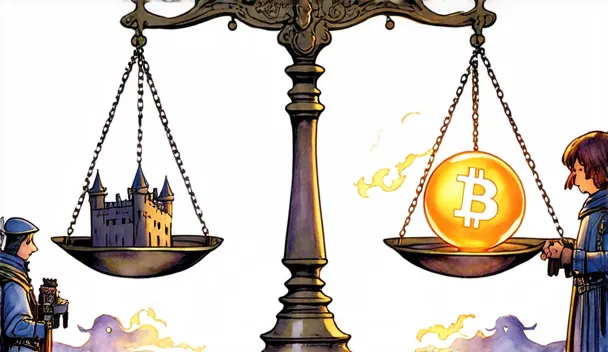
While custodial wallets offer a more streamlined experience and robust security measures, they also introduce inherent risks that users must be aware of. One primary concern is the potential for wallet providers to mismanage or mishandle user funds, resulting in losses due to negligence or even outright fraud.
Additionally, the concentration of private keys under a single entity creates a single point of failure, making custodial wallets more vulnerable to hacking and cyber attacks.
Users must also consider the risk of regulatory compliance issues, as custodial wallets are often required to adhere to strict anti-money laundering (AML) and know-your-customer (KYC) policies, which can lead to account freezes or asset seizures in certain circumstances.
Decentralized Security Benefits of Non-Custodial Wallets
Non-custodial wallets, such as Phantom and Solflare, offer a distinct security advantage over their custodial counterparts due to the decentralized nature of control and management.
This advantage stems from not relying on a third-party service provider to secure private keys, which significantly reduces the risk of centralized points of failure.
As a result, even in the event of a wallet provider's server being compromised or experiencing downtime, user assets remain secure because control is retained by the individual.
This decentralized security model also mitigates the risk of mass asset seizures or freezes, which can occur if authorities demand access to user funds from a custodial wallet provider.
In contrast, non-custodial wallets like Solflare ensure that users have full autonomy over their assets at all times, providing an additional layer of protection against external threats.
Furthermore, the lack of reliance on centralized infrastructure allows for greater flexibility in terms of security measures and updates.
For instance, a user can independently update their non-custodial wallet's software to address new vulnerabilities without needing to wait for a third-party provider to implement changes.
Analyzing Control and Recovery Options in Both Wallet Types
When it comes to control over assets, non-custodial wallets like Solflare offer users complete autonomy. Since the private keys are stored locally on the user's device, they have full control over their SOL holdings, enabling direct management of transactions without intermediaries.
This setup appeals to users who prioritize security and independence but may also require a higher degree of technical understanding and responsibility for securing their assets.
Phantom is ordinarily a self-custody wallet: users control the signing keys and recovery path rather than depositing assets with Phantom as a custodian. Custodial-account controls, KYC, account freezes, and provider-held recovery apply only to a separate custodial service that actually controls the account or keys.
This trade-off between control and convenience underscores the importance of considering your personal preferences and risk tolerance when deciding on a wallet type.
Control and Autonomy: Implications of Each Wallet Type on User Ownership

Convenience vs Control: Weighing the Trade-Off in Custodial and Non-Custodial Wallets
The decision between a custodial and non-custodial wallet ultimately hinges on a critical trade-off between convenience and control.
This convenience comes at the cost of relinquishing direct control over one's private keys, entrusting them to a third-party service provider.
On the other hand, non-custodial wallets such as Solflare prioritize user autonomy, allowing individuals to maintain full control over their assets and manage transactions directly without intermediaries. However, this heightened level of control often requires a greater degree of technical understanding and responsibility for securing one's assets, which may deter users seeking ease of use.
Maintaining Autonomy Over Your Solana Assets
One of the most significant advantages of non-custodial wallets like Solflare is their ability to provide users with full autonomy over their Solana assets. By storing private keys locally on the user's device, these wallets ensure that users have complete control over their transactions and asset management decisions.
This level of control allows users to manage their SOL holdings without relying on third-party intermediaries, thereby reducing the risk of centralized points of failure and potential regulatory compliance issues.
Implications of Custody on User Experience and Asset Security
The choice between custodial and non-custodial wallets has significant implications for user experience and asset security.
This convenience comes at the cost of users' control over their assets, as they must trust the provider to secure their private keys and manage transactions on their behalf.
User Experience Showdown: Custodial vs Non-Custodial Wallet Setup, Transactions, and Management
Custodial vs Non-Custodial: A Side-by-Side Comparison of User Experience
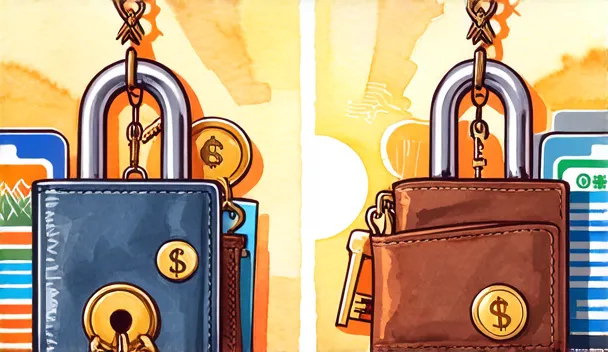
When it comes to user experience, the distinction between custodial and non-custodial wallets is stark.
On the other hand, non-custodial wallets like Solflare prioritize security and autonomy, allowing users to maintain full control over their assets and manage transactions directly without intermediaries.
Ease of Use and Setup Process
When it comes to setting up a wallet, users often prioritize ease of use as a critical factor in their decision-making process. Both custodial and non-custodial wallets have made significant strides in simplifying the setup process, but there are distinct differences in their approaches.
Users can quickly create an account, set up their wallet, and start interacting with decentralized applications (dApps) within minutes.
The intuitive interface and guided setup ensure that even those new to the Solana ecosystem can easily navigate the wallet's features.
Which Wallet Type Offers a Better User Experience?
The choice between custodial and non-custodial wallets significantly impacts the user experience, with each type catering to different needs and preferences.
Regulatory Landscape and Transparency: A Comparative Analysis for Custodial and Non-Custodial Wallets

Regulatory Requirements for Custodial Wallets: What You Need to Know
Custodial wallets, such as Phantom, are subject to a range of regulatory requirements that can impact their operations and user experience.
One key consideration is the need for custodial wallet providers to comply with anti-money laundering (AML) and know-your-customer (KYC) regulations.
These policies require providers to implement robust identity verification processes and monitor transactions for suspicious activity, which can lead to account freezes or asset seizures in certain circumstances.
Additionally, custodial wallets may be required to register as money service businesses (MSBs) with regulatory bodies, such as the Financial Crimes Enforcement Network (FinCEN) in the United States.
This registration process involves submitting detailed information about the business's operations, management structure, and anti-money laundering policies.
It is also worth noting that custodial wallets may be subject to geographic restrictions on their services, with some providers only offering their services to users in specific jurisdictions.
Users should carefully review a custodial wallet's terms of service and regulatory compliance before using their services to ensure they meet the necessary requirements for their needs.
Overall, understanding the regulatory landscape surrounding custodial wallets can help users make informed decisions about which wallet type best suits their needs and risk tolerance.
Ensuring Transparency in Non-Custodial Wallet Operations
Non-custodial wallets like Solflare and Phantom prioritize transparency by providing users with full control over their assets and transactions.
Since these wallets do not store private keys or manage user funds, the risk of centralized points of failure is significantly reduced. This decentralized security model ensures that users have complete autonomy over their assets at all times, providing an additional layer of protection against external threats.
Furthermore, non-custodial wallets often provide open-source code and transparent updates, allowing users to verify the wallet's functionality and security measures independently.
Transparency in non-custodial wallets also extends to transaction management. Users can directly manage their transactions without relying on intermediaries, ensuring that all activities are conducted on-chain and visible on the Solana blockchain.
This level of transparency not only enhances user trust but also promotes a more secure and accountable environment for cryptocurrency transactions.
Comparing Regulatory Compliance in Both Wallet Types
When evaluating custodial and non-custodial wallets, regulatory compliance is a critical factor to consider.
This centralized approach to regulation means that users must trust the provider to navigate complex regulatory landscapes on their behalf.
In contrast, non-custodial wallets such as Solflare prioritize user autonomy and decentralization, allowing individuals to maintain full control over their assets without intermediaries.
Scalability and Interoperability: How Each Wallet Type Impacts User Experience and Ease of Use

Scalability and Interoperability: A Comparative Analysis of Custodial and Non-Custodial Wallets
The choice between custodial and non-custodial wallets also significantly impacts scalability and interoperability within the Solana ecosystem. Scalability refers to a wallet's ability to efficiently manage an increasing number of transactions without compromising its performance or security.
Interoperability, on the other hand, pertains to a wallet's capacity to interact seamlessly with various decentralized applications (dApps) and protocols within the Solana network.
This setup allows custodial wallets to handle a large volume of concurrent transactions without experiencing significant delays or performance drops. However, this centralized approach can lead to single points of failure and increased vulnerability to cyber attacks.
In contrast, non-custodial wallets such as Solflare prioritize decentralization and user autonomy, which can result in lower scalability compared to their custodial counterparts.
Since these wallets rely on users' local devices for private key management, they may experience performance limitations when handling a large number of transactions concurrently.
Nonetheless, this decentralized security model mitigates the risk of centralized points of failure and promotes greater transparency in transaction management.
Regarding interoperability, both wallet types can seamlessly interact with various dApps within the Solana ecosystem.
Non-custodial wallets such as Solflare also support interaction with dApps but may require additional setup or configuration from the user.
Impact on User Experience and Ease of Use
For instance, Phantom's intuitive interface and guided setup ensure that even those new to the Solana ecosystem can easily navigate the wallet's features.
In contrast, non-custodial wallets like Solflare may require a greater degree of technical understanding and responsibility for securing one's assets, which may deter users seeking ease of use.
However, this trade-off between control and convenience underscores the importance of considering your personal preferences and risk tolerance when deciding on a wallet type.
Whether you prioritize security above all else or seek a more streamlined experience across various applications within the Solana ecosystem, understanding these differences is key to making an informed choice that aligns with your investment strategy.
Ultimately, both custodial and non-custodial wallets have their strengths and weaknesses when it comes to user experience and ease of use.
By evaluating these factors in light of your specific needs and preferences, you can make a more informed decision about which wallet type is right for you.
Which Wallet Type Offers Better Scalability and Interoperability?
The scalability and interoperability of a wallet can significantly impact user experience, particularly in ecosystems like Solana that are rapidly expanding.
Non-custodial wallets such as Solflare tend to offer better scalability due to their decentralized nature.
By not relying on centralized infrastructure, these wallets reduce the risk of bottlenecks in transaction processing and asset management, ensuring that users can interact with the Solana ecosystem without interruptions or delays.
In terms of interoperability, both custodial and non-custodial wallets have made strides in integrating with various decentralized applications (dApps) within the Solana ecosystem.
This direct integration not only enhances user experience but also promotes a more interconnected and robust ecosystem.
Moreover, non-custodial wallets prioritize transparency in their operations, providing open-source code and updates that allow users to verify functionality independently.
This approach fosters trust within the community and encourages developers to build upon existing solutions, driving innovation and scalability within the Solana ecosystem.
Ultimately, when considering scalability and interoperability, non-custodial wallets like Solflare and Phantom emerge as strong contenders due to their commitment to user autonomy, transparency, and seamless integration with decentralized applications.
These features not only enhance user experience but also contribute to a more secure, efficient, and interconnected Solana ecosystem.
Making an Informed Decision: Factors to Consider Based on Your Needs, Risk Tolerance, and Investment Strategy
Evaluating Custody Risks and Asset Protection Strategies
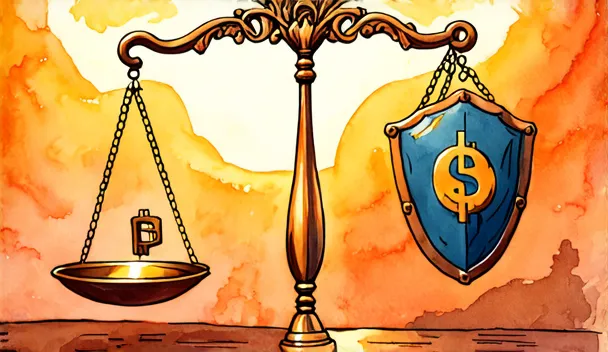
When choosing between a custodial and non-custodial wallet, it's crucial to evaluate custody risks and asset protection strategies.
In contrast, non-custodial wallets like Solflare offer a distinct security advantage by not relying on a third-party service provider to secure private keys.
This decentralized approach significantly reduces the risk of centralized points of failure and potential regulatory compliance issues.
Non-custodial wallets ensure that users have full autonomy over their assets at all times, providing an additional layer of protection against external threats.
When evaluating asset protection strategies, consider the level of control you want to maintain over your assets.
Non-custodial wallets such as Solflare prioritize user autonomy and decentralization, allowing individuals to maintain full control over their assets without intermediaries.
Ultimately, evaluating custody risks and asset protection strategies is key to making an informed decision that aligns with your investment strategy and risk tolerance.
Balancing Convenience and Autonomy in Wallet Management
When evaluating custodial and non-custodial wallets, it's essential to strike a balance between convenience and autonomy.
This setup appeals to users who prioritize ease of use but may also require a higher degree of trust in the service provider.
On the other hand, non-custodial wallets like Solflare prioritize user autonomy and decentralization, allowing individuals to maintain full control over their assets without intermediaries.
While this approach enhances security and transparency, it often requires a greater degree of technical understanding and responsibility for securing one's assets.
This trade-off underscores the importance of considering your personal preferences and risk tolerance when deciding on a wallet type.
Ultimately, the choice between custodial and non-custodial wallets depends on whether you value control over your assets or a streamlined user experience.
By evaluating these factors in light of your specific needs and priorities, you can make an informed decision that aligns with your investment strategy and risk tolerance.
As you navigate this critical decision, it's crucial to consider the implications of each wallet type on your autonomy and convenience.
Whether you prioritize security above all else or seek a more seamless experience across various applications within the Solana ecosystem, understanding these differences is key to making an informed choice that sets you up for success in the rapidly evolving world of cryptocurrency.
Choosing a Wallet That Fits Your SOL Holding Goals
When it comes to choosing between custodial and non-custodial wallets, users must consider their specific needs and preferences. For instance, if you prioritize security above all else, a non-custodial wallet like Solflare might be the best fit due to its robust measures designed to safeguard user assets.
On the other hand, users seeking a more seamless experience across various applications within the Solana ecosystem could find Phantom's integration with decentralized applications (dApps) and staking capabilities particularly appealing.
Conclusion
In this comprehensive guide, we've explored the key differences between custodial and non-custodial wallets for managing SOL assets on the Solana blockchain. From security risks and benefits to control, autonomy, and regulatory compliance, we've analyzed the implications of each wallet type on user experience and asset ownership.
By considering factors such as convenience, scalability, and interoperability, you're now empowered to make an informed decision about which wallet type best fits your needs, risk tolerance, and investment strategy.
As the Solana ecosystem continues to evolve, it's essential to prioritize secure and autonomous management of your digital assets. Take control of your SOL holdings today by choosing a wallet that balances security, convenience, and autonomy - and stay ahead in the rapidly expanding world of blockchain technology.