

Archived article · Original source date: 2024-08-24
This article is preserved from the previous Solana Bulls site as a historical archive. It reflects its original context; references to products, people, market conditions, eligibility, or rules may no longer be current.
Editorial note: This article is educational and is not financial, investment, legal, or tax advice. Products, protocols, yields, fees, liquidity, regulations, and tax treatment can change; verify current primary sources and evaluate the specific risks before acting.
This blog post will delve into the transformative power of blockchain in borrowing and lending, exploring its underlying fundamentals, peer-to-peer architectures, and the innovative DeFi ecosystems that are spearheading this revolution. From smart contracts to cryptocurrency, we'll examine the key features and benefits of blockchain-based lending platforms, including those built on Solana.
We'll also discuss how these platforms are mitigating risks and driving adoption in the financial services sector.
Introduction to Decentralized Finance (DeFi): Revolutionizing Blockchain-Based Financial Services
The Rise of Decentralized Finance
Decentralized finance (DeFi) has emerged as a transformative force in the financial services sector, leveraging blockchain technology to create innovative models that are redefining traditional borrowing and lending practices.
Historical context: this 2024 article cited Banx as an NFT-lending example, but its original destination did not resolve during the migration link audit. It is not presented here as a current recommendation; verify any successor product, contract addresses, audits, liquidity, terms, and legal availability before use.
Historical 2024 example: The proliferation of DeFi protocols such as Margin Fi, Kamino Finance, Solend, Sharky Fi, and Banx has spearheaded this revolution, offering unprecedented levels of transparency, security, and efficiency in the digital economy.
By democratizing access to financial tools and fostering broader adoption of decentralized finance practices, these platforms are not only disrupting conventional lending systems but also introducing a new paradigm for peer-to-peer transactions that is more accessible, flexible, and user-centric.
Blockchain-Based Lending and Borrowing Protocols Explained
The rise of blockchain-based lending and borrowing protocols has transformed the way individuals and institutions interact with financial services. These decentralized platforms leverage smart contracts, cryptocurrencies, and peer-to-peer architectures to create a more transparent, secure, and efficient alternative to traditional lending systems.
For instance, Margin Fi's emphasis on simplicity and user experience has made it easier for both novice and experienced DeFi users to engage in borrowing and lending activities with minimal friction. Similarly, Kamino Finance's quantitative models and autonomous vaults have streamlined the management of concentrated liquidity market maker (CLMM) positions, offering increased capital efficiency and earnings potential for liquidity providers on Solana.
Key Features and Advantages of DeFi Platforms on Solana
DeFi platforms built on Solana boast a range of innovative features that set them apart from traditional financial services. One key advantage is the emphasis on user experience, as seen in Margin Fi's streamlined approach to borrowing and lending activities. This focus on simplicity not only makes DeFi more accessible but also fosters broader adoption by minimizing the complexities typically associated with decentralized finance.
Additionally, platforms like Kamino Finance introduce advanced quantitative models that automate liquidity management, thereby increasing capital efficiency and earnings potential for users. The Solend protocol offers a flexible exchange between lenders and borrowers, allowing for instant loan approval and collateral-based lending with variable interest rates.
Historical 2024 example: Furthermore, Sharky Fi's escrow-less NFT lending model provides a novel approach to NFT-backed financing, while Banx's perpetual peer-to-peer lending protocol allows for flexible repayment terms and maximum capital efficiency. These features and advantages collectively position Solana-based DeFi platforms as vanguard solutions in the blockchain-powered financial services landscape.
Blockchain Fundamentals for Borrowing and Lending: Understanding Smart Contracts, Cryptocurrencies, and Consensus Mechanisms

How Smart Contracts Facilitate Secure Borrowing and Lending
Smart contracts are a cornerstone of blockchain-based borrowing and lending platforms, enabling secure and efficient transactions between lenders and borrowers. These self-executing contracts contain the terms and conditions of an agreement, automatically enforcing them when specific conditions are met.
In the context of DeFi, smart contracts facilitate trustless interactions, allowing users to engage in peer-to-peer lending activities without relying on intermediaries or centralized authorities.
By utilizing cryptographic algorithms and decentralized networks, smart contracts ensure that all transactions are transparent, tamper-evident, and irreversible, thereby mitigating risks associated with traditional lending systems.
The Role of Cryptocurrencies in Decentralized Finance
Cryptocurrencies play a pivotal role in decentralized finance (DeFi) by facilitating trustless, permissionless transactions and enabling the creation of novel financial instruments.
In the context of borrowing and lending, cryptocurrencies such as Solana ($SOL) serve as a medium of exchange, allowing users to transact without intermediaries. This direct interaction between lenders and borrowers fosters increased efficiency and reduces costs associated with traditional financial services.
Moreover, DeFi protocols built on blockchain networks like Solana leverage cryptocurrencies to create smart contracts that automate loan agreements, collateral management, and interest payments, thereby streamlining the borrowing and lending process.
Consensus Mechanisms for Ensuring Trustless Transactions
At the heart of blockchain technology lies a critical component that ensures trustless transactions: consensus mechanisms. These protocols facilitate the verification and validation of transactions without relying on intermediaries, thereby guaranteeing the integrity and security of decentralized networks.
In the context of borrowing and lending, consensus mechanisms play a vital role in maintaining the transparency and fairness of DeFi platforms. For instance, Solana's Proof-of-Stake (PoS) consensus algorithm enables faster transaction processing and increased network scalability, while also fostering an environment where users can engage in trustless transactions with confidence.
Historical 2024 example: Similarly, other DeFi protocols like Margin Fi, Kamino Finance, Solend, Sharky Fi, and Banx leverage various consensus mechanisms to ensure seamless and secure interactions between lenders and borrowers. By harnessing the power of these decentralized validation processes, blockchain-based lending platforms can mitigate risks associated with traditional financial services and create a more robust, trustless ecosystem for borrowing and lending activities.
Peer-to-Peer Borrowing and Lending on the Blockchain: Architectures, Protocols, and Key Players in DeFi Ecosystems

Comparative Analysis of Blockchain-Based Peer-to-Peer Borrowing and Lending Architectures
Blockchain-based peer-to-peer borrowing and lending architectures have revolutionized the financial services sector, offering a transparent, secure, and efficient alternative to traditional lending systems. A comparative analysis of these architectures reveals distinct approaches to decentralizing finance (DeFi).
For instance, Margin Fi's focus on simplicity and user experience has made it an attractive choice for both novice and experienced DeFi users, while Kamino Finance's quantitative models and autonomous vaults have streamlined the management of concentrated liquidity market maker positions.
Historical 2024 example: Solend's borrow-lend platform offers flexibility and accessibility with features like instant loan approval and collateral-based lending, whereas Sharky Fi introduces a novel approach to NFT-backed financing through its escrow-less NFT lending protocol. Banx's perpetual peer-to-peer lending protocol prioritizes maximum capital efficiency for both borrowers and lenders.
These architectures not only showcase the diversity of DeFi solutions but also highlight the potential for blockchain technology to transform traditional borrowing and lending practices.
Protocols and Standards in DeFi Ecosystems
In decentralized finance (DeFi) ecosystems, protocols and standards play a crucial role in ensuring seamless interactions between lenders and borrowers. These standardized frameworks facilitate trustless transactions, mitigate risks, and promote interoperability among various platforms.
For instance, Margin Fi's protocol prioritizes simplicity and user experience, allowing for streamlined borrowing and lending activities that cater to both novice and experienced DeFi users.
Similarly, Kamino Finance's quantitative models and autonomous vaults introduce a new standard for managing concentrated liquidity market maker (CLMM) positions on Solana, offering increased capital efficiency and earnings potential for liquidity providers.
Key Players and Innovators in Blockchain-Based Borrowing and Lending
The blockchain-based borrowing and lending ecosystem has seen a surge in innovative players, each contributing to the growth and democratization of decentralized finance (DeFi).
Margin Fi stands out for its user-centric approach, streamlining the complexities associated with DeFi and making borrowing and lending more accessible.
Kamino Finance focuses on maximizing returns through advanced quantitative models and autonomous vaults, catering to liquidity providers seeking increased capital efficiency.
Solend's borrow-lend platform offers flexibility and accessibility in the exchange between lenders and borrowers.
Sharky Fi revolutionizes NFT-backed financing with its escrow-less lending protocol, providing instant loans against NFT assets.
Historical 2024 example: Lastly, Banx introduces a perpetual peer-to-peer lending protocol for NFTs, offering flexible repayment terms and maximum capital efficiency for both parties involved.
Exploring Solana's DeFi Ecosystem: Platforms, Tools, Innovations, and What They Mean for Borrowing and Lending

What Makes Solana's DeFi Ecosystem Unique
Solana's DeFi ecosystem stands out from other blockchain-based lending platforms due to its unique approach to decentralizing finance.
One key aspect that sets Solana apart is the emphasis on user experience, as seen in Margin Fi's streamlined approach to borrowing and lending activities.
How Solana Platforms are Revolutionizing Traditional Borrowing and Lending Practices
Solana-based DeFi platforms are at the forefront of revolutionizing traditional borrowing and lending practices. By harnessing the power of blockchain technology, smart contracts, and peer-to-peer architectures, these platforms offer a more secure, transparent, and efficient alternative to conventional financial services.
For instance, Margin Fi's user-centric approach streamlines the complexities associated with DeFi, making borrowing and lending more accessible to both novice and experienced users. Kamino Finance introduces advanced quantitative models that automate liquidity management, thereby increasing capital efficiency and earnings potential for liquidity providers on Solana.
Innovative Tools and Technologies Driving DeFi Adoption on Solana
Historical 2024 example: The Solana ecosystem has witnessed a surge in innovative tools and technologies that are driving DeFi adoption. Platforms like Margin Fi, Kamino Finance, Solend, Sharky Fi, and Banx have introduced cutting-edge solutions to the decentralized finance landscape.
These platforms leverage advanced quantitative models, autonomous vaults, and escrow-less lending protocols to offer unprecedented levels of flexibility, security, and efficiency in borrowing and lending activities. For instance, Margin Fi's user-centric approach has made it easier for both novice and experienced DeFi users to engage in borrowing and lending activities with minimal friction.
Kamino Finance's quantitative models have streamlined the management of concentrated liquidity market maker positions, offering increased capital efficiency and earnings potential for liquidity providers on Solana.
Blockchain-Based vs Traditional Borrowing and Lending Systems: A Comparative Analysis of Benefits, Challenges, and Trade-Offs

Key Differences Between Blockchain-Based and Traditional Borrowing Systems
The emergence of blockchain technology has brought about a paradigm shift in borrowing and lending practices, introducing a new era of decentralized finance (DeFi) that diverges from traditional financial services.
One key difference lies in the architecture; blockchain-based systems operate on peer-to-peer models, eliminating intermediaries and enabling direct interactions between lenders and borrowers.
This decentralization ensures transparency, as all transactions are recorded on a public ledger, making it possible for users to track their assets and activities without relying on centralized authorities.
Benefits of Decentralized Lending on Blockchain Platforms like Solana
The benefits of decentralized lending on blockchain platforms like Solana are numerous, offering a transformative shift in traditional borrowing and lending practices.
Challenges and Considerations in Implementing Blockchain-Based Borrowing Solutions
As blockchain-based borrowing solutions continue to gain traction, several challenges and considerations must be addressed to ensure the long-term viability and success of these platforms. One major challenge is scalability, as the increased demand for DeFi services puts a strain on blockchain networks, leading to higher transaction fees and slower processing times.
Regulatory uncertainty also poses a significant obstacle, with varying jurisdictions having different laws and regulations surrounding cryptocurrency use, which can impact the adoption of blockchain-based borrowing solutions.
Furthermore, security risks must be mitigated through robust testing and auditing processes, as smart contract vulnerabilities and potential hacks can compromise the integrity of these platforms.
Lastly, user education and awareness are crucial in ensuring that individuals understand the benefits and risks associated with decentralized finance, necessitating educational resources and community engagement initiatives to promote informed decision-making.
Mitigating Risks in Blockchain Borrowing and Lending: Security Measures, Transparency, and Regulatory Compliance Frameworks

Smart Contract Security Measures for Mitigating Borrowing Risks
Blockchain-based borrowing and lending platforms rely heavily on smart contracts to automate loan agreements, collateral management, and interest payments.
However, their complexity can also introduce security risks if not properly designed or tested. To mitigate these risks, DeFi protocols have implemented various smart contract security measures.
Kamino Finance introduces advanced quantitative models and autonomous vaults that automate liquidity management, thereby increasing capital efficiency and earnings potential for liquidity providers on Solana.
The Importance of Publicly Accessible Transaction Data in DeFi
The transparency and accessibility of transaction data are critical components of decentralized finance (DeFi) on blockchain networks like Solana. Publicly accessible transaction data not only fosters trust but also enables users to track their assets and activities in real-time, ensuring a seamless and secure experience.
Historical 2024 example: This openness is particularly significant for DeFi platforms such as Margin Fi, Kamino Finance, Solend, Sharky Fi, and Banx, which rely on the visibility of transactions to operate efficiently. By making transaction data publicly accessible, these platforms can ensure that all activities are transparent, tamper-evident, and irreversible, thereby mitigating risks associated with traditional lending systems.
Regulatory Compliance Frameworks for Solana DeFi Platforms
The regulatory landscape surrounding blockchain-based borrowing and lending platforms is rapidly evolving, with various jurisdictions imposing distinct regulations on cryptocurrency use. To navigate this complex environment, Solana DeFi platforms must adhere to robust compliance frameworks that ensure transparency, security, and fairness in their operations.
Do not infer a lending protocol's regulatory status from its interface, automation, or risk model. Users and integrators should verify each protocol's current operator disclosures, eligible jurisdictions, terms, audits, administrator powers, oracle and liquidation design, and applicable legal requirements before participating.
Real-World Applications and Future Directions of Blockchain-Based Borrowing and Lending: Trends, Developments, and Potential Breakthroughs
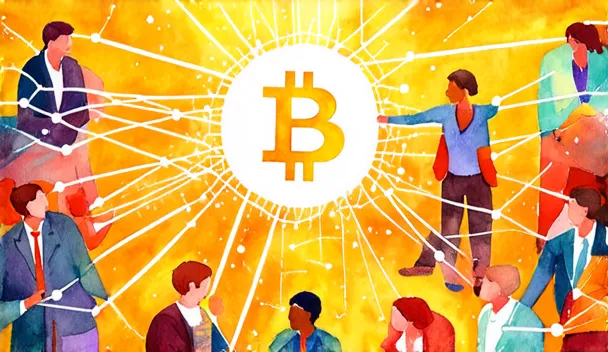
Empowering Peer-to-Peer Transactions with Blockchain Technology
The advent of blockchain technology has paved the way for a new era in peer-to-peer transactions, particularly in the realm of borrowing and lending. By leveraging decentralized networks, smart contracts, and cryptocurrencies, blockchain-based platforms have created a secure, transparent, and efficient alternative to traditional financial services.
This shift towards decentralized finance (DeFi) has empowered individuals and institutions to engage in trustless transactions without relying on intermediaries, thereby reducing costs, increasing accessibility, and fostering broader adoption of financial tools.
Efficiency and Security in Modern DeFi Systems
The intersection of efficiency and security is a critical aspect of modern DeFi systems, as these platforms aim to provide users with seamless experiences while safeguarding their assets.
In this context, blockchain technology plays a pivotal role by enabling the creation of decentralized lending protocols that are not only efficient but also secure.
Margin Fi's emphasis on simplicity and user experience exemplifies this trend, streamlining borrowing and lending activities for both novice and experienced DeFi users.
By leveraging smart contracts, cryptocurrencies, and peer-to-peer architectures, these platforms offer a robust alternative to traditional financial services.
Success Stories, Future Directions, and the Potential of Blockchain-Based Borrowing and Lending
The blockchain-based borrowing and lending landscape is replete with success stories that underscore its potential for revolutionizing traditional financial services. Margin Fi's user-centric approach has made it an attractive choice for both novice and experienced DeFi users, while Kamino Finance's advanced quantitative models have streamlined the management of concentrated liquidity market maker positions on Solana.
Offering increased capital efficiency and earnings potential for liquidity providers, these platforms showcase the diversity of solutions in the space. Solend's borrow-lend platform offers flexibility and accessibility with features like instant loan approval and collateral-based lending.
Historical 2024 example: Sharky Fi introduces a novel approach to NFT-backed financing through its escrow-less NFT lending protocol, while Banx's perpetual peer-to-peer lending protocol prioritizes maximum capital efficiency for both borrowers and lenders. Banx offers flexible repayment terms and dynamic APR rates based on the loan-to-value ratio at loan initiation.
Conclusion
The rise of decentralized finance (DeFi) has revolutionized the way we approach borrowing and lending, thanks to blockchain technology. By leveraging smart contracts, cryptocurrencies, and consensus mechanisms, DeFi platforms like Solana have created a trustless, secure, and efficient ecosystem for peer-to-peer transactions.
We've explored the fundamental concepts behind blockchain-based borrowing and lending, including architectures, protocols, and key players in DeFi ecosystems. We've also analyzed the benefits and challenges of decentralized lending on blockchain platforms, highlighting the unique features and advantages of Solana's DeFi ecosystem.
As we look to the future, it's clear that blockchain technology has the potential to empower a new generation of financial services, enabling greater accessibility, transparency, and security in borrowing and lending. With its vast potential for growth and innovation, the future of blockchain-based borrowing and lending is undoubtedly exciting - one that promises to reshape the way we think about traditional finance.